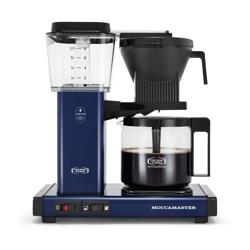
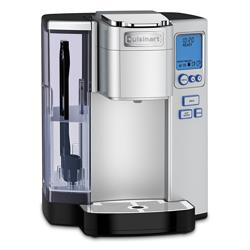
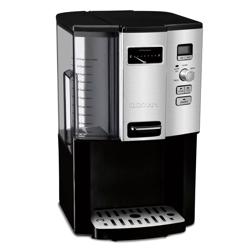
A 10-cup coffee maker brews a full carafe for shared breakfasts, repeat refills and coffee served around the table. The cup count refers to the manufacturer’s serving measurement, often about 5 ounces, rather than the capacity of a typical coffee mug. That means a 10-cup brewer generally fills several full-size mugs, not 10 large ones; the stated capacity in ounces gives a clearer picture of how much each batch holds. For households with more than one coffee drinker, this size offers room for a second pour without immediately starting another brew cycle. It also suits weekend brunches, casual visits and mornings when everyone heads out at a different time. Most automatic drip coffee makers in this category move heated water through ground coffee into a carafe, keeping the brewing process straightforward while offering different levels of control. Simple controls make sense for someone who wants to add water, measure coffee and press a button. Programmable options can make an early start easier, while adjustable brew settings give coffee drinkers more flexibility within the same countertop footprint. These features vary by model, and their usefulness depends on the routine: a timer matters more when breakfast follows a schedule, while a clear water indicator helps with nearly every batch. For someone who usually brews less than a full pot, a dedicated small-batch setting can be worth considering because brewing a smaller amount is not always as simple as adding less water. Even water distribution, appropriate brewing temperature and a suitable brew time all contribute to extraction. Freshly ground beans and consistent measurements also matter, whether the finished coffee is served black, softened with milk or poured into a travel mug. The right capacity leaves enough coffee for the people drinking it without making a full carafe feel necessary every morning.
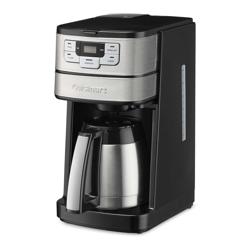
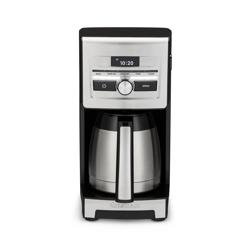
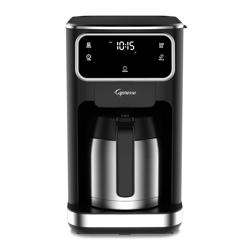
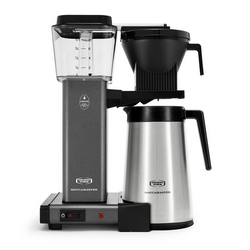
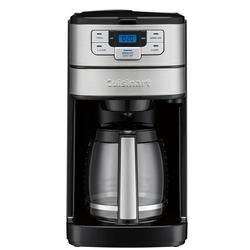
Carafe construction is one of the most useful distinctions among 10-cup coffee makers. A thermal carafe typically uses double-wall insulation to help retain heat without relying on a continuously heated plate. It works well when coffee moves from the kitchen to the breakfast table or when refills happen over an extended period. Stainless steel thermal carafes also avoid the breakage concerns associated with glass, although their lids and seals still need regular care. A glass carafe makes the remaining coffee easy to see and commonly pairs with a warming plate. That arrangement can suit households that finish a batch relatively quickly, since prolonged heating can change the flavor of brewed coffee. Neither construction guarantees a better cup on its own; brewing performance, holding time and personal preference all play a part. Comfortable handles, balanced pouring and lids that open easily are details that become noticeable with daily use. The exterior deserves similar attention. Stainless steel surfaces offer a familiar match for kitchen appliances, while molded components can make a brewer lighter to move for filling or cleaning. A sturdy base and well-fitted removable parts matter more than appearance alone. Countertop fit includes more than the width of the machine: the basket lid may need clearance beneath a cabinet, and a rear water reservoir may require space to reach or remove it. A carafe should slide out comfortably without bumping nearby appliances. Removable reservoirs can simplify filling at the sink, while clearly marked fixed reservoirs make it easier to measure water in place. Controls should be readable from the position where the brewer will sit, with settings that make sense before the first cup of coffee. Automatic shutoff and clear status indicators are useful considerations for busy kitchens. A pause-and-pour feature may allow a brief interruption during brewing, but its limits and timing depend on the manufacturer’s instructions. Together, these everyday details shape how comfortably a coffee maker fits into the kitchen.
Regular care helps a 10-cup coffee maker stay pleasant to use and supports consistent brewing over time. Coffee oils collect in baskets, lids and carafes, while minerals from water can build up inside the brewing system. Accessible openings and removable components make those routine cleaning tasks easier, especially when a hand or bottle brush can reach the bottom of the carafe. Dishwasher-safe parts can simplify cleanup, but care instructions should identify exactly which pieces belong in the dishwasher; insulated carafes and electronic bases often require different treatment. Descaling according to the manufacturer’s directions helps address mineral buildup that ordinary washing cannot remove. Water hardness and frequency of use affect how often that maintenance is needed, so a cleaning reminder can be helpful for a heavily used brewer. Filter choice also influences both the cup and the cleanup. Paper filters generally hold back more oils and fine particles, while reusable filters can produce a fuller-bodied result and need thorough rinsing to prevent residue from collecting. The required filter shape and size are worth checking before settling on a machine. Long-term practicality also comes from handling the carafe carefully, keeping seals clean and using compatible replacement components when needed. For smaller households or kitchens where a full pot regularly goes unfinished, a
6-cup coffee maker may be a more comfortable fit. A 10-cup model makes particular sense when several people share coffee, guests join breakfast or one batch needs to cover multiple refills. It can also be a thoughtful wedding or housewarming gift when the recipient’s habits and counter space are considered. An enthusiastic coffee drinker may appreciate control over brewing, while someone furnishing a first kitchen may value straightforward operation and easy care. Matching capacity, carafe style and daily maintenance to the person using the machine helps make it a useful part of everyday cooking and gathering.