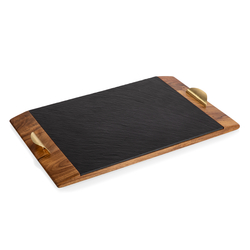
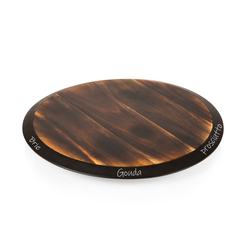
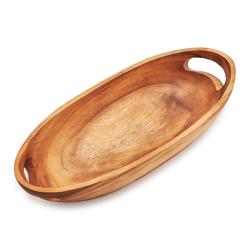
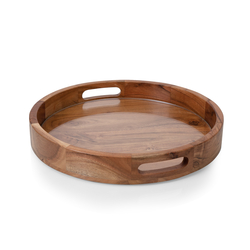
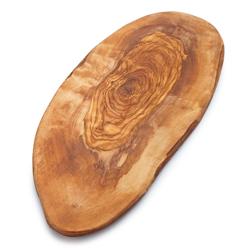
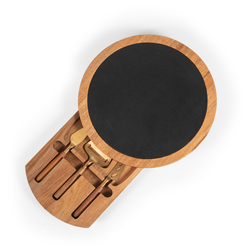
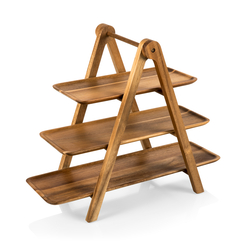
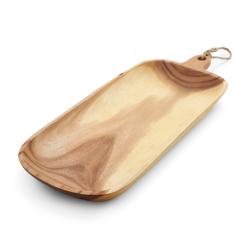
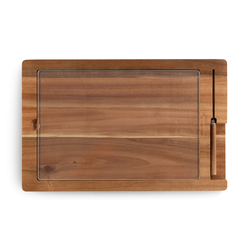
Acacia wood decorative trays bring natural texture and a sense of order to the places where everyday life tends to collect. On a coffee table, a tray can give a candle, a small vase and a favorite book a shared home without making the arrangement feel formal. On an entryway console, it creates a place for keys and other small essentials. The appeal starts with the wood itself: acacia often has expressive grain and a mix of honey, golden brown and deeper brown tones, sometimes within the same piece. Those variations give the surface depth, whether the tray stands alone or holds a few carefully chosen objects. Color and grain differ naturally, so the character of an individual tray may vary from a photograph or another piece made from the same wood. Acacia is generally a dense hardwood, making it well suited to decorative accents that receive regular handling, although construction and finish also influence how a tray performs over time. Its warmth works comfortably alongside white ceramics, clear glass, woven textiles and metal accents. Against a pale tabletop, the grain becomes a focal point; on a darker surface, a lighter-toned tray can create gentle contrast. A simple outline lets the wood take the lead, while a raised edge adds definition around the objects inside. For a relaxed arrangement, leaving some of the base visible keeps the tray from looking crowded and makes everyday essentials easier to reach. The result can feel collected rather than overly styled. Acacia wood decorative trays also make it easy to move a small display when the table is needed for a board game, a puzzle or a casual meal. That combination of texture and everyday usefulness makes them appealing to people who enjoy a welcoming home but still want their surfaces to work hard. Even an empty tray can add interest through its shape, grain and the contrast between its edge and the surface beneath it.
Size and proportions make a meaningful difference in how a decorative tray fits into a room. A broad tray can help organize a generous ottoman or dining table, while a narrower shape may feel more comfortable on a console, dresser or shallow shelf. The outside dimensions tell only part of the story: thick sides, sloping edges and built-in handles can reduce the usable space inside. A tray intended to hold a vase and a pair of candlesticks needs enough room for their bases to sit flat, with a little breathing room between them. Round shapes can soften a grouping of straight-edged furniture and books, while rectangular trays often make efficient use of long surfaces. Raised sides help define an arrangement and may contain small loose objects, but they do not necessarily make a tray suitable for carrying a full load. Handles, joints and the weight of the tray itself all matter when moving it from one room to another. Decorative use and food service are also different purposes. Direct contact with bread, fruit or other foods is appropriate only when the maker identifies the surface and finish as suitable for that use; a tray chosen for display is not automatically a serving board. For a closer look at the category’s serving and countertop applications, explore
Acacia Wood Kitchen Trays. In either setting, a stable base is important, particularly beneath glassware or a tall arrangement. On upholstered furniture, the tray should rest level rather than bridge a deep seam or perch on a cushion edge. On polished furniture, a smooth underside and suitable surface protection can help limit scratches. Acacia also works well as a visual counterpoint to busy patterns: a relatively simple tray can gather several objects into one clear shape. In a small space, that defined footprint can make a side table feel more organized without requiring another piece of furniture. Keeping the scale comfortable leaves room for the table’s other uses, including setting down a book or reaching for a drink.
Care is part of choosing an acacia tray that suits daily life, especially in homes where decorative pieces are regularly moved, rearranged or used near food and drinks. Wood responds to moisture, and prolonged contact with water can lead to swelling, staining or changes in shape. For many finished decorative trays, routine care means dusting with a soft cloth and wiping small spills promptly, followed by drying; the maker’s directions should determine whether a damp cloth, mild soap or another cleaning method is appropriate. Soaking and dishwasher cleaning are generally unsuitable for wood trays. Extended exposure to direct sunlight or nearby heat sources can also affect color, finish and shape. A waterproof liner beneath a plant pot or a coaster beneath a vase can help keep unnoticed moisture from sitting against the surface. Candles belong in appropriate holders that protect the wood from heat and wax rather than directly on the tray. Surface treatments vary, so oiling is not a universal maintenance step: some finishes benefit from a specified conditioning product, while others should not be oiled at all. These considerations make it easier to match the tray to its surroundings and the level of upkeep that feels realistic. A lightly used bedroom display has different demands from an entryway catchall that receives keys every day. Fine surface marks may develop with handling, but persistent dampness and rough treatment can cause damage beyond ordinary wear. As a gift, an acacia wood decorative tray offers flexibility without asking the recipient to adopt a particular entertaining routine. It can suit a housewarming, a wedding or a host who enjoys arranging flowers and making guests feel comfortable. A manageable size and an understated shape leave room for personal style, whether the tray eventually holds a bedside water carafe, organizes a collection of small keepsakes or anchors a living room display. Its lasting appeal comes from that balance: distinctive natural grain, a useful footprint and enough versatility to find a place in more than one room.