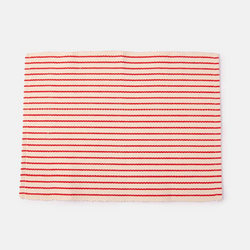
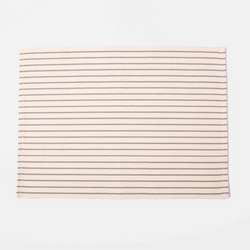
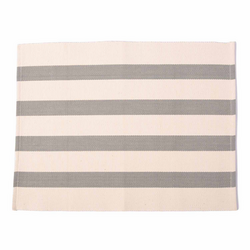
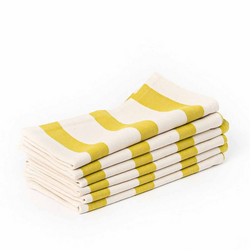
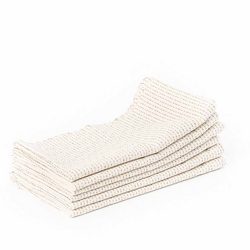
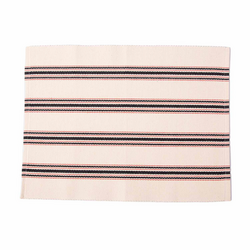
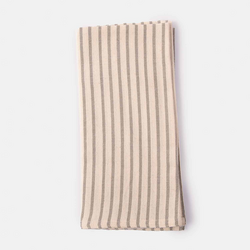
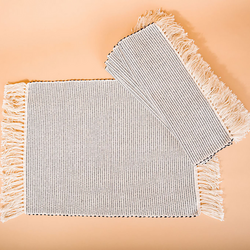
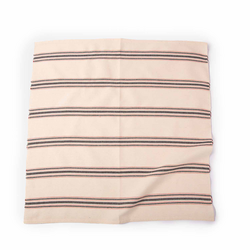
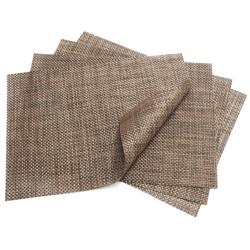
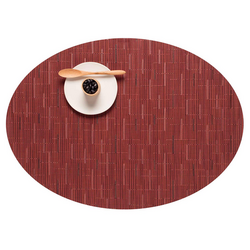
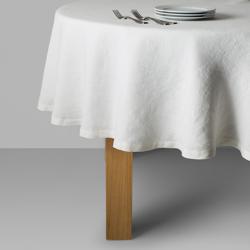
African artisan table linens bring texture, color and a sense of craftsmanship to the place where meals happen. A patterned cloth beneath a bowl of fruit, a woven runner down the center of a table or cloth napkins beside everyday plates can make a familiar setting feel more personal without making it feel formal. Africa’s textile traditions are varied, with weaving, dyeing and embroidery taking different forms across countries, regions and communities. There is no single African pattern or palette, and the appeal of these textiles is often in their particular details: the rhythm of a repeated motif, the contrast between dyed and undyed fibers or the texture created by the weave itself. When information about a maker, place of origin or technique is provided, it adds context that appearance alone cannot supply. Handmade textiles may also show subtle differences in pattern placement or color, though those variations are distinct from the secure seams and sound construction that help linens withstand regular use. For the dining table, beauty works best alongside practicality. Cotton is absorbent and generally comfortable against the skin, making it a familiar choice for napkins and other frequently washed linens. Linen has a distinctive texture and relaxed drape, with creases that become part of its everyday character. Blends can balance the qualities of different fibers, though the exact composition and care instructions matter more than broad assumptions about a material. A loose, textured weave creates a different effect from a smooth, closely woven surface, both visually and under a plate or glass. Households that gather around the table every day may favor manageable care and a comfortable feel, while someone who enjoys setting a more deliberate table may place greater emphasis on the pattern, drape and finishing details. Either way, artisan textiles can have a useful place in daily life rather than being reserved for meals that rarely happen.
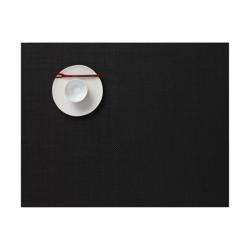
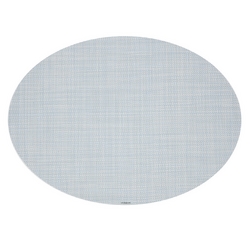
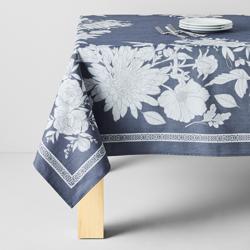
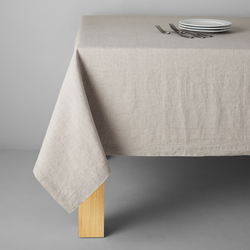
The right proportions help table linens feel at home with the furniture and dishes already in place. A tablecloth should suit the tabletop’s shape and leave enough fabric beyond the edge for the intended setting without catching on chairs or pooling where people walk. For many casual dining tables, a drop of about 6 to 10 inches offers coverage without too much overhang; a longer drop creates a more dressed-up effect. Measurements are especially important when a table has an extension leaf, since a cloth that fits everyday dinners may sit quite differently when extra guests arrive. A runner offers another approach, adding pattern while leaving much of the tabletop visible. It can follow the length of a rectangular table or sit across a smaller surface, provided the ends and surrounding place settings have room. Placemats define individual settings and let the finish of a wood table remain part of the arrangement, although fabric alone should not be treated as protection from hot serving dishes. Napkins contribute another layer of color and texture, whether folded simply beside a plate or placed beneath flatware. Their usefulness depends partly on size and absorbency, not just the detail of a print or stitched border. For a balanced setting, one prominent textile pattern can take the lead while plain dishes and clear glassware give it space. A color repeated in a stripe, border or small motif can connect the linens to pieces already used at home. For settings built around blue,
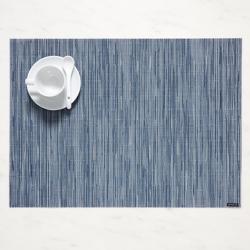
blue artisan table linens offer a related direction to explore. Matching every textile is not necessary; compatible colors and a similar level of formality often create a more natural result. A patterned runner with solid napkins can feel considered without looking overly coordinated, while a fuller tablecloth provides a continuous background for a larger gathering. The most comfortable arrangement leaves room for serving bowls, passing plates and resting a glass without crowding the fabric with decoration.
Care is part of choosing table linens that will earn their place in a household. Fiber content, dyes, embroidery and other finishes can all affect how a textile should be washed, so the sewn-in care label takes priority over a general rule about cotton or linen. Some fabrics tolerate machine washing, while others need gentler treatment, separate washing or professional care. Saturated colors and contrasting patterns deserve particular attention to washing instructions, especially before the first use. Natural fibers may shrink, and a size that looks generous before washing may fit differently afterward; any stated shrinkage allowance is worth considering alongside the table measurements. Prompt attention to spills helps keep everyday meals from leaving lasting reminders. Lifting away food and blotting liquid, rather than rubbing it farther into the fibers, is a sensible first response, followed by a treatment appropriate for the fabric and stain. Heat can set some marks, so checking the cloth before drying or ironing matters. Smoothly finished seams and securely attached decorative details are useful signs of construction suited to repeated handling, but even sturdy linens last better when they are cleaned as directed and stored completely dry. For someone who enjoys a crisp table, ironing requirements may be part of the choice; for a household comfortable with a softer, rumpled appearance, a naturally textured cloth may need less fuss to feel ready for dinner. These practical details also help make table linens a thoughtful housewarming, wedding or host gift. Napkins do not require knowing a table’s exact dimensions, while a tablecloth is more personal when its size and shape suit the recipient’s home. A familiar color or an easy-to-live-with pattern can be more useful than a dramatic choice that rarely leaves the linen drawer. Whether used for a quiet breakfast, a shared lunch or a dinner with friends, African artisan table linens can make craftsmanship part of an ordinary routine, with enough character to notice and enough practicality to use again.