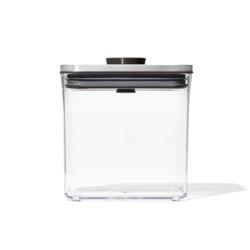
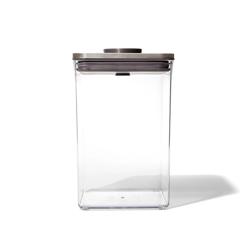
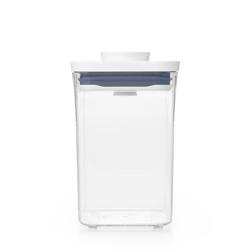
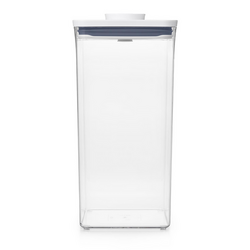
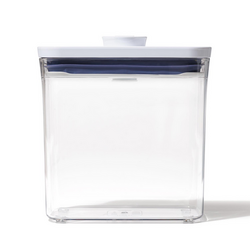
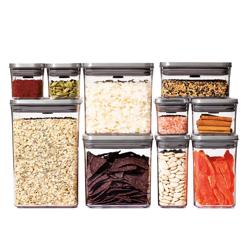
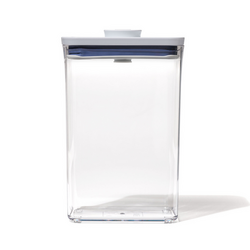
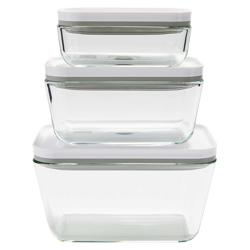
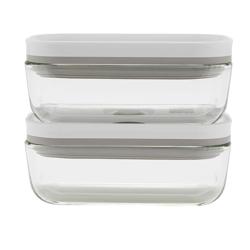
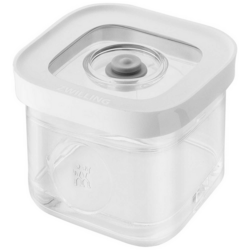
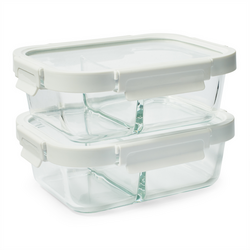
Airtight canisters for spice storage help protect the ingredients that bring depth, warmth and brightness to everyday cooking. Ground spices, dried herbs and whole seeds gradually lose their aroma when exposed to air, humidity, heat and light, so a well-sealed container can make a noticeable difference in the pantry. Look for lids fitted with food-grade silicone or rubber gaskets that create a snug barrier around the opening. A lid that closes securely should feel firm without being difficult to remove, especially when you are cooking with flour-dusted hands or reaching for a spice while a pot is simmering. Clear glass makes it easy to see how much cinnamon, cumin or smoked paprika remains, while amber or opaque containers offer added protection from sunlight and other sources of UV exposure. Metal and titanium tins are especially useful for spices that will be stored for a long time because they block light and resist shattering, while lightweight plastic can be a practical choice for busy kitchens, lower drawers or homes where containers may be handled by children. The best material depends on how and where you cook. Glass canisters suit an open shelf or countertop where a tidy, color-coded display is part of the kitchen, metal tins work well in a drawer or dedicated spice cabinet and plastic containers are easy to move between the pantry and cooking area. Opening size matters, too. Wide-mouth canisters make it easier to fill containers from bulk bags and dip in a measuring spoon without spilling, while narrower openings can help control the amount sprinkled into a skillet. If you use whole peppercorns, mustard seeds, cardamom pods or dried chile flakes, choose an opening that accommodates the ingredients without forcing them through a shaker top. For finely ground spices, a removable shaker insert may be convenient, but a plain opening gives you more control when following a recipe or measuring a precise amount. Push-button or vacuum-style lids can offer another layer of air removal for frequently used or especially aromatic ingredients, though a dependable gasket and careful closure are the essentials. Airtight canisters for spice storage can also be useful beyond the spice drawer. Small quantities of tea, dried flowers, sesame seeds, baking decorations or homemade seasoning blends stay easier to identify and use when stored in matching containers. For larger pantry staples used in baking, see
Airtight Baking Ingredient Storage Containers.
The right storage system should match your cooking habits as much as it matches your kitchen. A home cook who reaches for a dozen spices every evening may prefer a uniform set arranged alphabetically on a rack or in a shallow drawer, with labels placed where they can be read at a glance. Someone who cooks less often may value opaque containers that help shield spices from light during longer stretches between uses. If you buy spices in bulk, select canisters with enough room to hold a full refill without packing the contents tightly, then leave a little space so you can shake or stir the spice before measuring. If you typically purchase smaller amounts, compact containers help prevent half-empty jars from getting lost behind taller pantry items. Matching sizes create a calm, orderly look, but a mix of capacities can be more useful when storing delicate saffron, bulky bay leaves and frequently used garlic powder side by side. Label each container with the spice name and, when helpful, the purchase or refill date. This simple habit makes it easier to spot an older container before adding it to a recipe and helps prevent duplicate purchases. Keep spices away from the steam rising from a kettle, dishwasher or stovetop, since repeated exposure to heat and moisture can cause clumping and shorten their useful life. A cool, dry cabinet or drawer is generally a better location than a sunny windowsill, even when the canisters themselves are attractive enough to display. Before transferring spices, make sure the containers are clean and completely dry; even a small amount of moisture can affect a finely ground ingredient. Wash or wipe the lids according to the care instructions, paying particular attention to the gasket and threads where spice dust can collect. Airtight canisters for spice storage make thoughtful gifts for new homeowners, enthusiastic bakers, students setting up a first kitchen and anyone who enjoys building a well-organized pantry. They are also useful for cooks who blend their own rubs, curry mixes or finishing salts, since a reliable seal helps preserve the character of each mixture between meals. During the warmer months, an organized, tightly closed spice collection can help keep pantry humidity and kitchen mess under control; during cooler months, it makes it simple to gather the fragrant ingredients used in roasted vegetables, braises, soups and baked goods. Whether stored in a drawer, lined up on a rack or arranged on a pantry shelf, well-chosen canisters keep seasonings protected, visible and ready for the next meal.