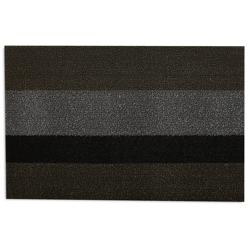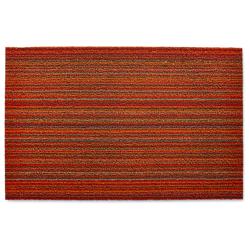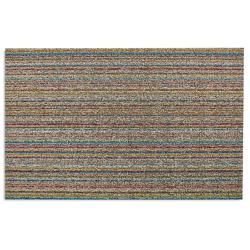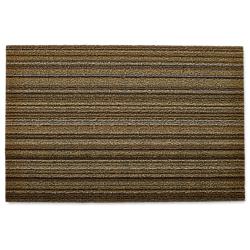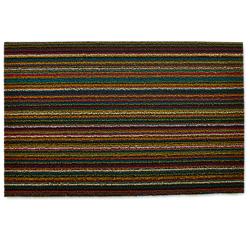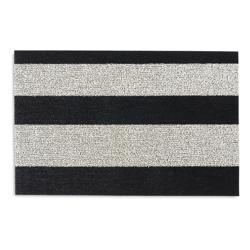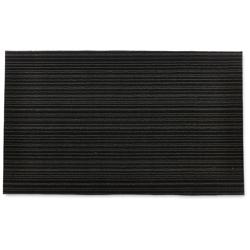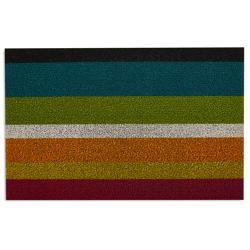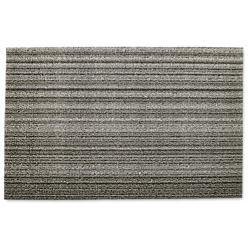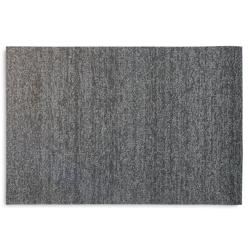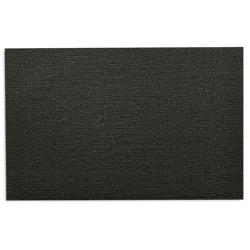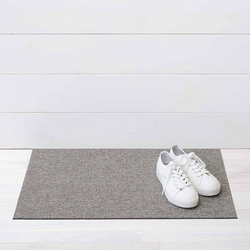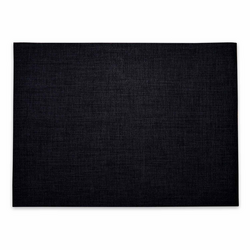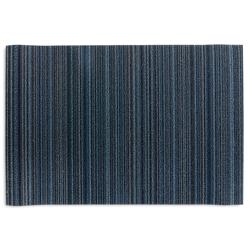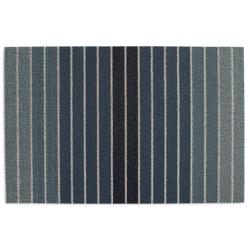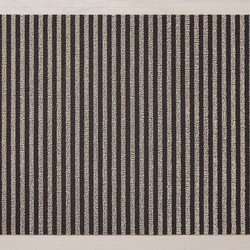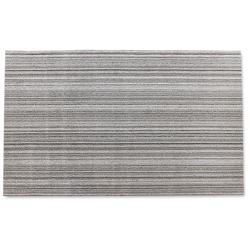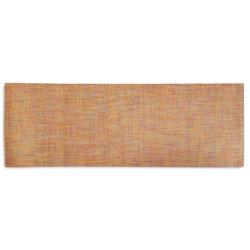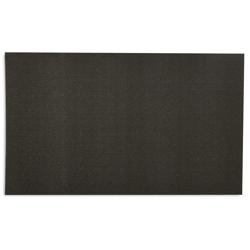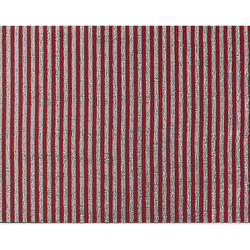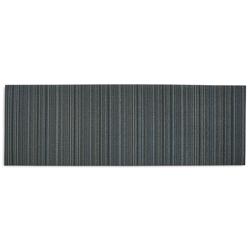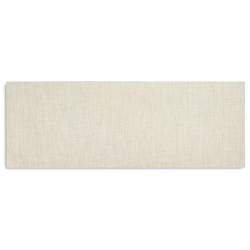
All-weather stripe doormats combine a classic striped pattern with durable materials that help remove dirt from shoes and stand up to outdoor exposure. Depending on their construction, they can offer quick drying, resistance to fading and an easy-to-clean surface for busy entrances. Their everyday appeal is straightforward: a place to wipe muddy boots, catch grit from the driveway and make the doorway feel more welcoming. Material makes a meaningful difference in how a mat performs. Polypropylene rope is a practical choice for outdoor use because the synthetic fibers absorb little moisture, while an open weave allows water to pass through rather than collect within a dense pile. Textured vinyl loops can help loosen debris from shoe soles and give dirt somewhere to settle between cleanings. Coir provides a firm, brushlike texture for scraping shoes, though its natural fibers generally suit a covered entrance better than a spot exposed to persistent rain or standing water. An all-weather designation does not mean every material performs the same way in every location, so details such as outdoor-use recommendations, UV resistance and backing deserve attention. A sunny front step puts different demands on a mat than a sheltered apartment doorway or a frequently used back entrance. In an exposed location, drainage and resistance to prolonged sunlight matter as much as the pattern. Under a deep porch, texture and ease of routine cleaning may take priority. For households where shoes regularly bring in garden soil, gravel or damp leaves, a surface with enough texture to catch debris can make the entrance easier to maintain. The most useful striped doormat brings those practical qualities together with a design that feels at home beside the door, rather than requiring a choice between function and appearance.
Stripes work especially well at an entrance because they introduce pattern without competing with the architecture around them. Narrow, closely spaced lines create a quieter look, while broad bands give a simple doorway a stronger point of contrast. Charcoal, cream, sand and other neutral tones can connect naturally with brick, painted siding, wood doors or stone steps. Deeper colors may make everyday marks less noticeable, although pale dust and dried salt can still show against a dark background. A mixed-tone stripe can be more forgiving than a large area of one solid color, particularly at a doorway that sees repeated trips outside. Scale matters, too. A compact mat can feel right at a small side door, while a wider entrance benefits from proportions that leave enough room for both feet to land comfortably. Measuring the usable floor space helps keep the mat clear of door tracks, narrow steps and nearby planters. Thickness is just as important as width: a door that swings over the mat needs enough clearance to open freely without catching the edge. Low-profile construction may be especially useful near tight thresholds, but the backing and the surface underneath still need to be compatible. A textured underside is not a guarantee against movement on every floor, and a mat should rest flat without curling corners. For a kitchen door opening onto a patio, that balance of fit and function helps accommodate everything from carrying groceries to taking dinner outside. At a garage entrance, the emphasis may be on catching grit before it reaches the hallway. Near a garden, open construction can make it easier to shake out loose soil. Stripes give these hardworking spaces a consistent, finished appearance without making them feel formal. Coordinating the mat with a door color, porch chair or planter is often enough; an exact match is not necessary for the entrance to feel thoughtfully put together.
Everyday care helps an all-weather striped doormat stay useful as well as attractive. Loose debris is usually easier to remove before it becomes packed into the surface, so regular shaking, sweeping or vacuuming, when permitted by the care instructions, can keep the texture working effectively. Some synthetic constructions can be rinsed with a hose, while others require a gentler approach because of their backing, finish or weave. Mild soap may be appropriate for certain washable materials, but the manufacturer’s directions should determine the cleaning method. Strong cleaners, pressure washing and machine washing can damage materials that are not designed for them. After rinsing, allowing both the mat and the floor beneath it to dry helps prevent trapped moisture, particularly on a covered porch where airflow may be limited. Open-weave mats let water through, but that water still needs somewhere to go; drainage matters on the surface below as well as within the mat itself. Wet leaves, snow and ice also call for attention, since no doormat makes a slippery entrance safe on its own. Periodically lifting the mat provides an opportunity to remove grit underneath and check for wear along edges or high-traffic areas. These small habits are particularly worthwhile in homes with children, pets or frequent visitors, where the same entrance may be used many times a day. For a broader look at entryway options built around everyday wear,
Durable Doormats offers another way to explore the category. A striped all-weather mat can also make a thoughtful housewarming gift, especially when its dimensions and care requirements suit the recipient’s space. A restrained pattern is easy to work into an established porch, while a bolder stripe can add personality to a new home’s otherwise simple entrance. For someone who enjoys gardening, outdoor meals or welcoming friends for dinner, a well-chosen doormat supports the ordinary moments that make an entrance busy. The lasting appeal lies in that combination: a useful place to wipe shoes, a manageable cleaning routine and a familiar pattern that makes arriving home feel a little more considered.