-
(27)
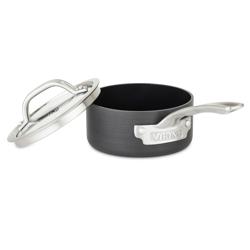
A durable black saucepan with exceptional heat control, compatible with all stove types, and featuring a three-layer nonstick coating.
Pros: easy to clean, perfect size, right size
-
(43)
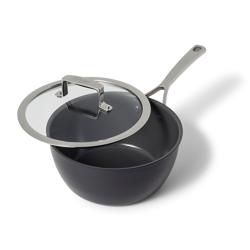
A 3.5 qt. black saucepan with anodized aluminum construction, ceramic nonstick coating, and stay-cool handles.
Pros: easy to clean, sturdy, lightweight
-
(20)
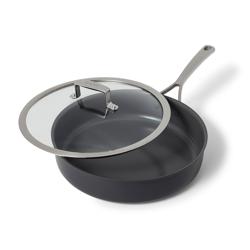
A 5 qt. sauté pan with curved sides, smooth rounded edges, and ceramic nonstick coating for easy cooking and cleanup.
Pros: easy to clean, quality, non-stick
-
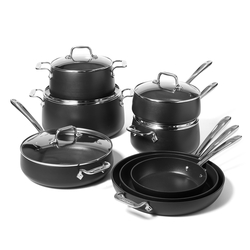
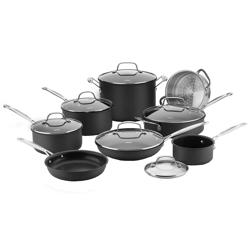
A black hard anodized cookware set featuring PFAS-free ceramic nonstick interiors and tempered glass lids.
-
A black hard anodized saucepan with PFAS-free ceramic nonstick interior and a cool-touch stainless steel handle.
-
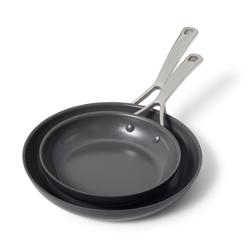
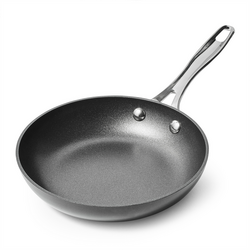
A black hard anodized nonstick skillet with a cool-touch stainless steel handle for effortless, even cooking.
Anodized Nonstick Pans
Anodized nonstick pans are a must-have in almost every kitchen. They are also durable and scratch-resistant, ensuring that your investment will last for years to come. Additionally, anodized nonstick pans distribute heat evenly, allowing for consistent cooking results every time. So why settle for anything less? Upgrade to anodized nonstick pans today and enjoy healthier meals with ease!
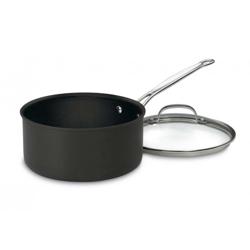
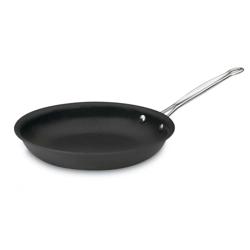
Anodized Nonstick Pans
FAQ List
To clean your anodized nonstick pans, it is recommended to hand wash them with warm soapy water and a non-abrasive sponge or cloth. Avoid using harsh cleaners or abrasive materials that can damage the nonstick coating. If there are stubborn food residues, you can soak the pans in warm water before cleaning. Do not put your anodized nonstick pans in the dishwasher, as it may affect the performance and longevity of the nonstick coating.
It is generally recommended to use non-metal utensils with anodized nonstick pans to prevent scratching the nonstick coating. Metal utensils can damage the surface and reduce the effectiveness of the nonstick properties. Opt for silicone, wooden, or nylon utensils that are gentle on the coating and ensure the longevity of your pans.
Anodized nonstick pans are not typically compatible with induction cooktops as they are made of aluminum, which is not magnetic. However, some manufacturers offer anodized nonstick pans with an induction-compatible base, so be sure to check the product specifications or labels to ensure compatibility with your specific cooktop.
Most anodized nonstick pans are oven-safe up to a certain temperature. However, the specific temperature limit may vary depending on the manufacturer and product. It is recommended to refer to the product packaging or instructions to determine the maximum oven-safe temperature for your pans. Always use oven mitts or pot holders when handling hot pans.
The lifespan of the nonstick coating on anodized nonstick pans can vary depending on factors such as usage, cleaning methods, and care. With proper use and maintenance, the nonstick coating can last for several years. To ensure the longevity of the coating, avoid using metal utensils, high heat settings, and abrasive cleaning materials. It is also recommended to re-season or reapply a thin layer of oil to the nonstick surface periodically.

-
"Best pans I have ever used! It seems like it should be simple, but pan technology is real"
-
"Great big pot is super durable with great grips"
-
"Fabulous pan -- had to buy another one for my best friend"
-
"Excellent quality, incredibly fast delivery & great price"
-
"Love these pans -- not too heavy but not at all flimsy, easy to handle, easy to clean"