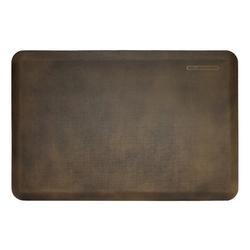
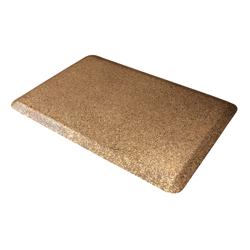
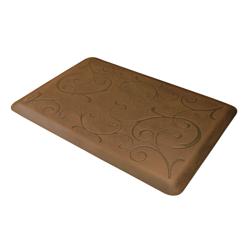
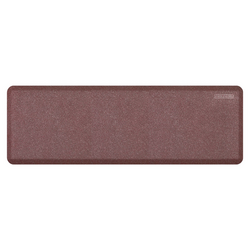
Antimicrobial kitchen floor mats combine a surface designed to inhibit the growth of certain microorganisms with a practical place to stand during everyday kitchen tasks. Depending on the material and treatment, antimicrobial protection may help resist odor-causing bacteria, mold or mildew on the mat itself; the manufacturer’s description should identify the intended protection. That feature does not disinfect the surrounding floor, prevent foodborne illness or replace regular cleaning. Many antimicrobial mats also offer cushioning, making them useful where you spend time washing dishes, chopping vegetables or stirring a pot. Antimicrobial protection and anti-fatigue support are separate features, though, so consider both when choosing a mat for your kitchen. A thin, resilient surface may suit a spot where easy cleanup matters most, while a cushioned construction can make a hard floor feel more comfortable during longer stretches of standing. Picture the space in front of the sink after dinner: a few splashes on the counter, a stack of plates to rinse and your feet planted in roughly the same position. A well-chosen mat gives that familiar work area a more comfortable footing without making the kitchen harder to maintain. Polyurethane, PVC, rubber and foam-based constructions appear across kitchen mat designs, each with different combinations of flexibility, weight and surface feel. Material alone does not establish antimicrobial performance, so look for an explicit description rather than assuming that a waterproof or nonporous mat has antimicrobial properties. Similarly, water resistance, stain resistance and resistance to cooking oils are distinct qualities. For a mat near food preparation areas, a sealed, wipeable surface can simplify the removal of crumbs and small spills. For a busy sink area, moisture resistance and a backing compatible with your floor deserve particular attention. The best fit brings together the protection described on the label, an appropriate level of support and a surface suited to the tasks you do most often.
Size and placement have as much influence on everyday usefulness as the mat’s construction. Measure the open floor area where you actually stand, not simply the width of the cabinet or island in front of you. A compact kitchen floor mat can define a single station at the sink, while a longer runner-style shape may accommodate movement along a stretch of counter. Leave room for nearby doors and appliances to open fully, including a dishwasher door that lowers close to the floor. Check that the mat will not interfere with a toe kick, catch under a rolling cart or extend awkwardly into a main walkway. When two people share the cooking, placement should allow one person to move past the other without stepping repeatedly over an edge. Thickness matters, but thicker is not automatically more comfortable or more practical. A supportive mat should provide some give without feeling so soft that standing or turning becomes unsteady. Beveled edges create a more gradual transition from the floor to the mat, while a slip-resistant backing can help limit movement on a suitable clean, dry surface. Neither feature makes a mat slip-proof or eliminates the need to check its position. For households using walkers, wheelchairs or other mobility aids, consider whether any raised floor covering would obstruct movement before adding one. Surface texture also deserves a closer look: a lightly textured finish may offer useful traction, but deep grooves can require more attention when flour or crumbs collect. Beyond function, a mat occupies a noticeable patch of floor, so its color and pattern can help it feel at home beside cabinetry, counters and towels. A neutral shade can blend quietly into the room, while
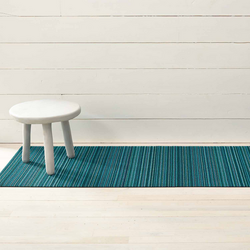
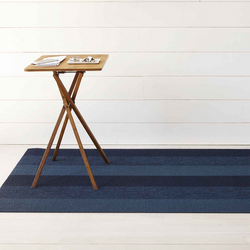
Blue Kitchen Floor Mats can introduce color alongside white cabinets, warm wood or stainless steel appliances. Choose the visual effect you enjoy, then confirm that the mat’s dimensions, backing and care requirements suit the space.
Keeping an antimicrobial kitchen floor mat in good condition starts with the care instructions for its particular surface and backing. Many wipeable designs can be cleaned with a soft cloth and mild soap, but washing methods vary, and a cushioned mat should not go into the washing machine or dishwasher unless the manufacturer specifically permits it. Avoid assuming that a strong disinfectant will improve antimicrobial performance; bleach, solvents, abrasive scrubbers or steam may damage some finishes and materials. Remove food spills promptly, especially grease that could leave the standing surface slippery, and use only cleaning products approved for the mat. Lift it periodically to clean the floor beneath it, then let both the floor and the underside dry before replacing it. That simple step matters near a sink, where water can travel under an edge even when the top looks dry. Follow the flooring manufacturer’s recommendations as well, since some backing materials may be unsuitable for particular wood, vinyl or other floor finishes. Durability depends on more than a substantial feel in the hand. Consider whether the mat is intended for everyday residential use, how its surface handles repeated cleaning and whether its edges remain flat with normal use. A home kitchen mat should not be assumed to meet the requirements of a commercial cooking environment, where grease exposure, sanitation procedures and traffic can be very different. Avoid dragging heavy furniture or appliances over cushioning, and inspect the mat for cracks, curling edges, separation between layers or changes in traction. Any of these can affect how comfortably and securely it sits underfoot. For an enthusiastic baker who spends time rolling dough, a household that cooks most meals at home or someone settling into a new kitchen, an antimicrobial mat can be a thoughtful, practical gift. Confirm the recipient’s floor type, available space and preferred care routine first. A mat earns its place through ordinary use: standing at the counter to assemble lunch, rinsing produce or finishing the dishes, with comfort and maintenance that fit naturally into the day.