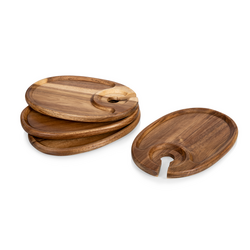
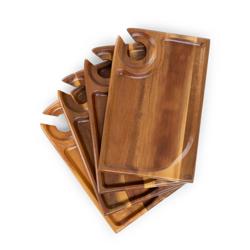
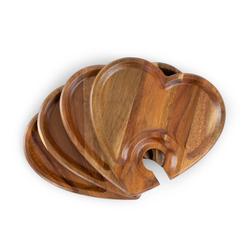
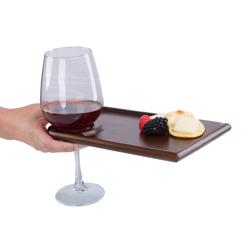
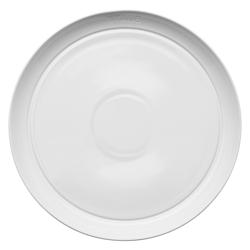
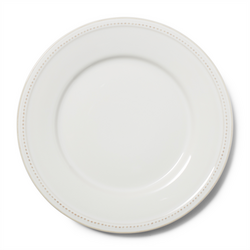
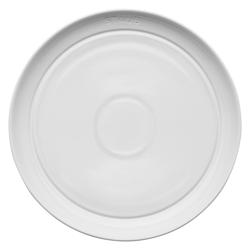
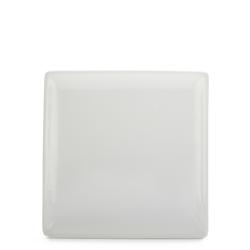
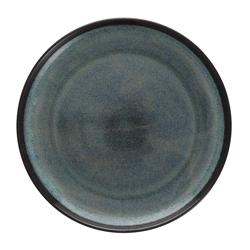
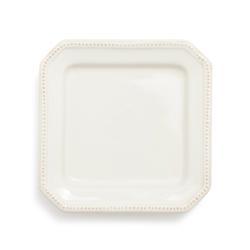
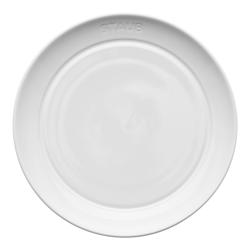
Appetizer plates with wine glass holders combine a small serving surface with an integrated notch, slot or opening that accommodates compatible stemware, allowing guests to carry small bites and a drink in one hand. They’re especially useful at gatherings where people spend more time standing and talking than sitting at a table. A dedicated place for the glass leaves the other hand free to enjoy a canapé, reach for a napkin or greet a friend. The important distinction is compatibility: a wine glass holder is designed around a particular opening and support arrangement, not a universal glass size. The width of the stem, the diameter of the base and the shape of the bowl can all affect how a glass sits. A slender flute and a broad red wine glass may fit quite differently, even when their stems look similar. Stemless glasses generally won’t work with a design that requires a stem to slide into a narrow slot. Plate dimensions matter just as much as glass fit. The most useful measurement is the space left for food once the glass is in position, rather than the plate’s outside dimensions alone. A compact plate can be comfortable for a few passed appetizers, while a broader serving surface gives crackers, cheese and fruit a little more breathing room. The position of the holder also affects balance, particularly when a glass contains more than a tasting pour. A comfortable grip and manageable combined weight make more difference during a standing reception than they would at a seated dinner. Testing the intended pairing with an empty glass first helps establish how the holder works before adding food and wine. These plates make the most sense for small portions and easy movement around a gathering, rather than as substitutes for dinner plates or trays loaded with several drinks.
Material influences the feel, appearance and care of appetizer plates with wine glass holders. Wood brings visible grain and a relaxed presentation that pairs naturally with sliced cheeses, crostini and small bunches of grapes. Bamboo can offer a similarly understated look, though construction, thickness and finish determine how an individual plate feels in the hand. Both materials benefit from careful attention to washing instructions. Many wood and bamboo designs require hand-washing, prompt drying and protection from soaking, which can contribute to swelling, splitting or warping. Any conditioning treatment should follow the manufacturer’s recommendations rather than a general rule for all wooden serveware. Melamine has a different appeal: it can provide a lighter, break-resistant option for frequent entertaining, although it is not unbreakable and should not go in the microwave. Dishwasher suitability varies by construction and decoration, so care instructions remain important even with materials associated with easy cleanup. Ceramic offers a familiar dinnerware feel and can complement an existing table setting, but its weight deserves consideration when a guest will be holding both food and a glass. Ceramic pieces can also chip if knocked together, particularly around exposed edges. Whatever the material, a smooth rim and neatly finished opening matter where fingers and glass will make contact. A raised edge can help keep a cracker or olive from sliding off, but it does not make the plate spillproof. Saucy bites are still better served in contained portions, and foods that need firm cutting pressure are less suited to this format. Storage is another practical consideration for reusable entertaining pieces. Plates that nest neatly can take up less cabinet space, while projecting holders or irregular shapes may need extra room. Separators can help protect finishes from rubbing during storage. Durable serveware is as much about a design that suits its use and care routine as it is about the material itself.
For wine tastings, cocktail receptions and casual open houses, these plates help bridge the gap between a full place setting and a cocktail napkin. A guest can carry a small serving of aged cheese, a folded slice of prosciutto and a few crackers without also juggling a separate glass in the other hand. For a tasting, restrained portions leave room to appreciate each pairing instead of turning the plate into a crowded buffet selection. For a reception, bite-size tartlets, stuffed mushrooms and other foods that need little or no cutting are a natural match. The plate’s shape should leave enough separation between the glass and the food for guests to reach each comfortably. Napkins still have a place, as do occasional tables where guests can set things down. Not every holder is intended to support a plate and filled glass unattended, so the design’s resting position matters as much as its carrying position. Coordinating glassware can simplify the setup for a larger group because the same fit can be checked across the place settings. A mix of inherited or differently shaped glasses calls for closer attention to compatibility. Visually, simple finishes let colorful appetizers take the lead, while distinctive shapes or patterns can become part of the presentation. For a broader mix of serving styles,
Unique Appetizer Plates can complement wine-holding designs with separate plates for seated guests or foods that need more space. As a housewarming or wedding gift, this category is particularly thoughtful for someone who enjoys hosting tastings or gathering friends around a cheese board. The best match reflects how the recipient actually entertains: the glasses they use, the number of guests they tend to invite and the amount of hand-washing they’re comfortable taking on afterward. A well-suited design earns its place through those practical details, making it easier to carry a few good bites and enjoy the conversation.