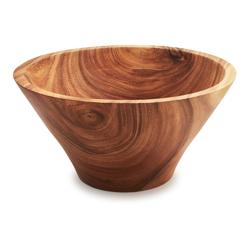
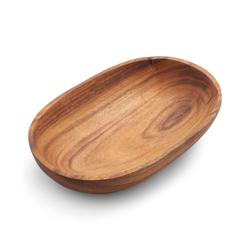
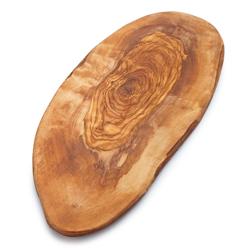
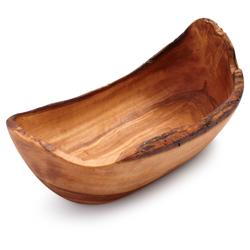
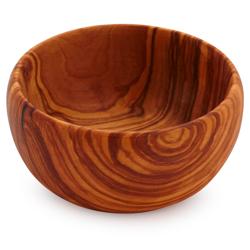
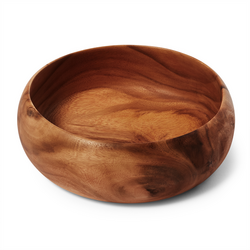
Artistic wooden bowls are serving or decorative vessels distinguished by sculptural shapes, expressive wood grain or carved details. They bring the natural character of wood into everyday spaces, whether holding a salad at the dinner table or standing on their own on a sideboard. Their visual appeal often begins with the material itself: flowing grain lines, contrasting tones and small variations that make the surface interesting without added decoration. Walnut typically has rich brown coloring, while maple often offers a lighter appearance and a finer, more understated grain. Acacia can show striking contrasts between lighter and darker areas, and mango wood can have varied coloring that gives a bowl a distinctive presence. The species matters, but so do the cut of the wood, the construction and the finish. A lathe-turned bowl usually has a rounded form shaped as the wood spins, while a hand-carved bowl may retain shallow tool marks or a less uniform outline. Segmented construction joins separate pieces of wood before shaping, allowing contrasting tones to create bands, geometric patterns or other deliberate designs. Burl wood, which comes from an irregular growth on a tree, is valued for its swirling, densely figured grain. Natural-edge designs follow part of the wood’s original outer contour, creating a rim that feels less symmetrical than a traditional serving bowl. These characteristics can make even a simple silhouette feel expressive, though an artistic appearance does not necessarily mean a bowl is handmade. Look at how the details work together: a broad, shallow shape gives the grain room to show, while a deeper profile emphasizes the curve from base to rim. A smooth interior can balance a textured exterior, and a gently uneven outline can soften a table set with crisp white plates. For bowls intended to hold food, the construction and finish should be specifically identified as suitable for food contact. A decorative finish should not be treated as food-safe simply because it looks smooth or natural.
Choosing artistic wooden bowls starts with deciding how they will fit into daily life. For serving salad, a rounded interior and enough room above the ingredients make tossing easier and help keep greens from spilling over the rim. A wide opening gives guests better access when a bowl is passed around the table, while a stable base matters when serving utensils rest against one side. Smaller bowls can hold nuts or other dry snacks when approved for food use, and shallow shapes can keep whole fruit visible on a kitchen counter. An elongated bowl can suit a narrow console or dining table, particularly when a round centerpiece would crowd place settings. Check the bowl’s overall dimensions as well as its capacity; a generous rim or thick walls may take up more space than the usable interior suggests. Think about weight, too. A substantial bowl can feel secure on the table, but a lighter one may be more comfortable to carry when filled. For decorative use, scale and placement matter more than capacity. A low bowl can sit beneath a mirror without interrupting the view, while a taller sculptural shape may work better on an open shelf with room around it. Wood pairs easily with stoneware, clear glass and linen, letting grain and texture add interest without requiring every piece on the table to match. If the bowl has a strongly patterned surface, a simple setting gives those details space to stand out. For a more understated direction, explore
Elegant Wooden Bowls with an eye for clean silhouettes and subtle grain. A wooden bowl can also make a thoughtful housewarming or wedding gift, especially for someone who enjoys hosting, arranging a table or displaying natural materials at home. Match the choice to the recipient’s habits: an easy-to-handle serving shape suits frequent shared meals, while a more sculptural form may appeal to someone who prefers a decorative accent. Include the care instructions so the recipient knows whether the bowl is meant for serving, display or both.
With appropriate care, a well-made wooden bowl can remain useful and attractive for years, but wood needs different treatment than glass or glazed ceramic. Follow the maker’s instructions first, since finishes and construction methods vary. For a food-use bowl that permits washing, clean it by hand with mild dish soap, lukewarm water and a soft cloth or sponge. Avoid soaking it, leaving it in a sink full of water or placing it in the dishwasher. Prolonged moisture and intense heat can damage the finish, stress glued joints or cause the wood to swell and crack. Dry the bowl promptly with a towel, then let it finish air-drying before putting it away. A decorative bowl may require only gentle dusting or a slightly damp cloth rather than a full wash. Wood can also react to changes in humidity, so choose a storage spot away from direct sunlight, heating vents and persistent dampness. Keep bowls out of the microwave and oven unless the manufacturer expressly states otherwise, and check suitability before using one for hot, wet or acidic foods. A salad-serving bowl is not automatically intended for prolonged food storage. If conditioning is recommended, use the specific product suggested by the maker or an appropriate food-grade wood conditioner compatible with the finish. Food-grade mineral oil and certain beeswax blends are common options for some unfinished or oil-finished food-use bowls, but they are not a universal treatment for every surface. Ordinary cooking oils can become rancid and are generally a poor substitute. Apply conditioner according to its directions and wipe away excess rather than leaving the bowl greasy. To preserve the surface, use serving utensils that will not gouge the wood and avoid cutting directly inside the bowl. Minor marks and gradual color changes can become part of its character, but cracks, loose joints or a peeling finish deserve attention before continued food use. Choosing a bowl whose care requirements suit everyday routines helps keep its beauty practical, turning an appealing object into something that earns its place at the table.