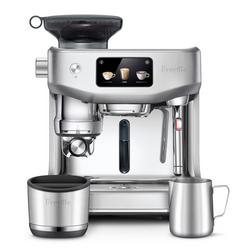
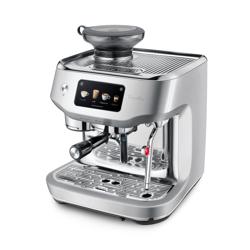
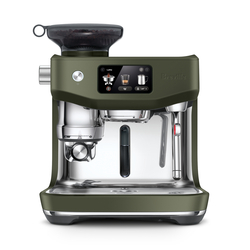
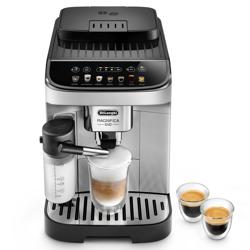
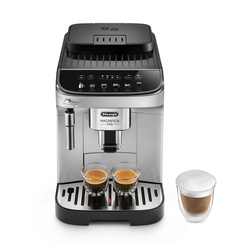
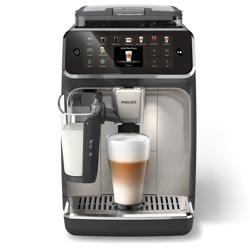
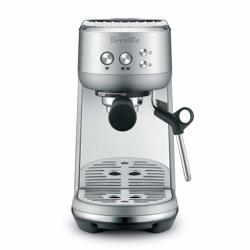
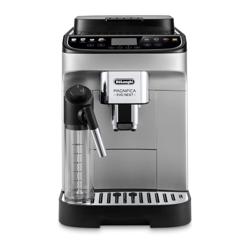
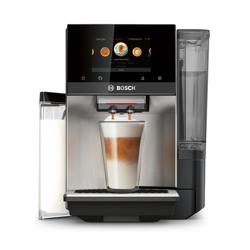
Automatic-tamping espresso machines make a hands-on part of espresso preparation more repeatable, leaving less guesswork between grinding the beans and brewing a shot. Tamping compresses ground coffee into a firm, level bed inside the filter basket, which sits in the handled portafilter that locks into the machine. An automatic tamping mechanism handles that compression rather than relying on pressure applied with a separate handheld tamper. Consistent tamping can help water move evenly through the grounds, although bean freshness, grind size and the amount of coffee still influence the result. The benefit is greater consistency at one important stage, not a promise that every coffee will brew the same way. For someone moving beyond brewed coffee or replacing a more manual espresso setup, that balance of convenience and control can be especially appealing. The routine might still include choosing a grind setting, moving the portafilter into position and starting the shot, with fewer variables to manage before the first sip. Some designs combine automatic tamping with built-in grinding and dosing, while others offer a different mix of automated and manual functions. Automatic tamping does not necessarily mean fully automatic drink preparation, so the amount of involvement depends on the machine’s complete brewing process. That distinction matters in households where one person enjoys fine-tuning a straight espresso and another wants a straightforward starting point for a latte. A concentrated shot can become an Americano with hot water, a cappuccino with steamed milk and foam or an iced latte poured over ice. Automatic tamping supports preparation of the espresso itself; milk texture, drink volume and finishing touches depend on the other functions and the person using them. For coffee drinkers who enjoy working with a portafilter but would rather skip manual tamping, these machines offer a practical middle ground between a fully hands-on routine and preparation at the touch of a button.
An automatic-tamping espresso machine should fit both the counter and the way coffee gets made at home. Overall dimensions tell only part of that story: overhead clearance for adding beans, access to the water reservoir and room to remove the drip tray all affect everyday use. A machine tucked beneath a cabinet may fit neatly until the hopper lid needs lifting or the tank needs refilling. Cup clearance matters, too, particularly for anyone who likes brewing directly into a taller mug rather than transferring espresso from a small cup. Stainless steel exterior panels offer a durable surface that coordinates easily with other kitchen appliances, while molded components can reduce weight and make removable parts easier to handle. Exterior materials alone do not determine longevity; construction, maintenance requirements and access to replacement wear parts also deserve attention. A built-in grinder keeps grinding and brewing together, while a setup that uses a separate grinder needs additional counter space and an espresso-capable grind range. Adjustable settings leave room to explore different beans, but clear controls are just as useful when making the same favorite drink each day. Automatic tamping is one feature to consider alongside the brewing control, temperature management and milk preparation offered by
High-Performance Espresso Machines. For milk drinks, a manual steam wand gives the person preparing the coffee more responsibility for texture, while automatic frothing functions can simplify that part of the routine when included. Heating-system design also affects the rhythm of preparation: a machine that brews and steams simultaneously works differently from one that needs to switch between those tasks. Those differences become noticeable when making two cappuccinos with breakfast or serving several coffees after dinner. Reservoir capacity, drip tray size and comfortable access to the controls help determine whether the machine suits an occasional espresso or a household where several people make drinks throughout the day.
Everyday care helps keep automatic-tamping espresso machines pleasant to use and supports dependable operation over time. Automation reduces the work of tamping, but it does not eliminate spent grounds, coffee oils or milk residue. Removable drip trays, accessible brewing components and clearly explained cleaning programs make a meaningful difference in the routine after the cups are filled. Loose grounds around the grinding and tamping areas need attention according to the manufacturer’s directions, especially where moving components are involved. A soft cloth is generally appropriate for wiping exterior surfaces, while removable parts should be washed only as directed; not every tray, basket or reservoir is dishwasher safe. Steam wands need prompt cleaning after milk preparation, with purging and any additional cleaning performed as instructed. Water quality matters as well. Suitable filtration can help manage certain minerals and flavors, but it does not necessarily replace descaling, and the correct water treatment depends on the machine and local water supply. Following the recommended cleaning schedule is more useful than waiting for a noticeable change in taste or performance. These practical details are worth considering for a gift, too. An automatic-tamping espresso machine can be a thoughtful choice for an enthusiastic home coffee drinker, a couple setting up a shared kitchen or someone who enjoys espresso but finds manual tamping awkward. The best match respects the recipient’s interest in making coffee, available workspace and willingness to handle routine cleaning. Clear displays, easy-to-reach components and manageable portafilter handling may matter more than an extensive menu of settings. Compatible replacement filters and cleaning supplies also make ongoing care easier to plan. With a machine suited to the household, automatic tamping can remove a repetitive task without taking away the satisfaction of choosing beans, preparing a favorite cup and sharing coffee made at home.