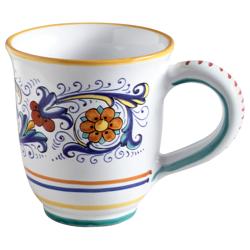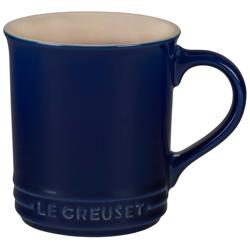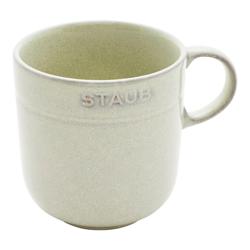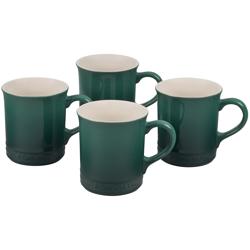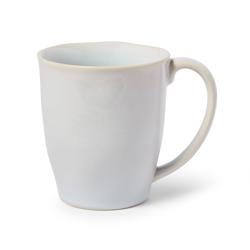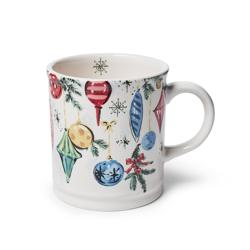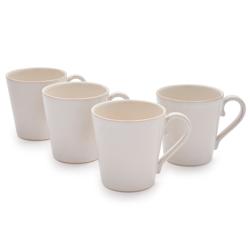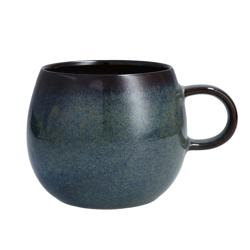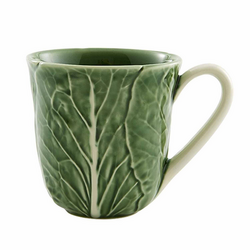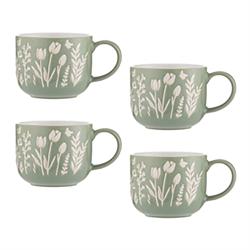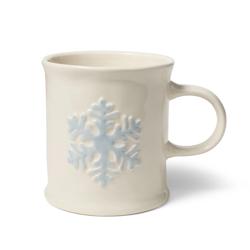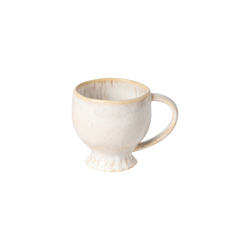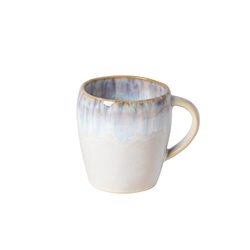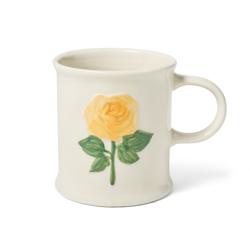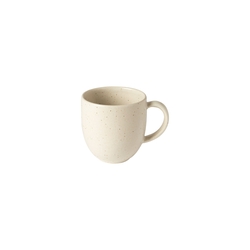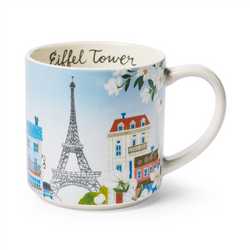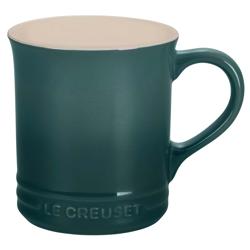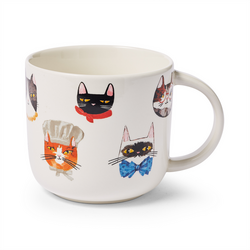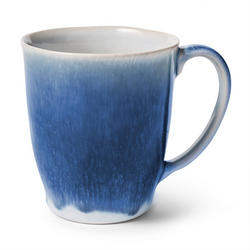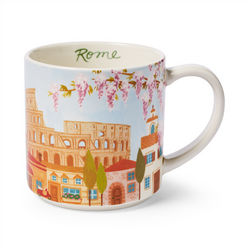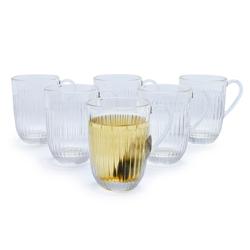
Beautiful mugs bring together appealing color, thoughtful shape and a comfortable feel, making them as enjoyable to use as they are to display. Porcelain, stoneware and other ceramics offer a wide range of looks, from smooth white surfaces and delicate floral patterns to earthy glazes and softly textured finishes. A mug can be a quiet complement to everyday dinnerware or the one expressive piece that stands out beside a plate of toast. Subtle stripes, botanical illustrations and sculpted details each give a familiar shape a different personality. For a calm, coordinated table, shades of cream, blue or gray work easily with neutral linens and simple dishes. Rich colors and lively patterns bring contrast to an open shelf or a breakfast tray, especially when the surrounding pieces are understated. Reactive glazes can create shifts in color and pooling around curves, giving the surface depth rather than a perfectly uniform finish. Those variations are part of the appeal, though they do not necessarily mean a piece is handmade. Painted designs, embossed textures and contrasting rims offer other ways to add interest without changing the basic usefulness of a mug. For a more expressive look,
Artistic Mugs bring the focus to decorative details that give a coffee or tea setting its character. Matching mugs create a cohesive arrangement when serving guests, while a mix of patterns can feel equally considered when connected by a shared color or similar silhouette. A pair of blue-and-white designs, for example, can sit comfortably together even when their motifs differ. Beauty also shows up in smaller details: a curve that rests naturally against the palm, a handle with room for fingers or a rim that feels pleasant with every sip. These are the qualities that help a decorative mug become an everyday favorite rather than something left on a shelf.
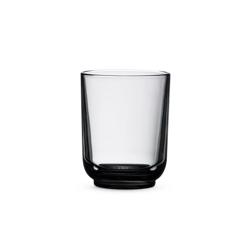
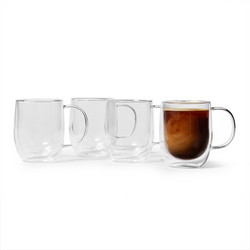
Material and proportions shape how a mug fits into daily life. Porcelain is a type of ceramic often associated with a refined appearance, and it can be made with relatively thin walls that feel light in the hand. Stoneware is another ceramic category, frequently used for substantial shapes and finishes ranging from glossy and smooth to muted and rustic. Neither material has just one look, and weight, thickness and glaze matter as much as the material name when considering comfort and durability. A generously sized stoneware mug may suit a long breakfast with café au lait, while a smaller porcelain shape can feel right for a modest serving of tea after dinner. Glass offers a different kind of beauty, showing the amber color of steeped tea or the layers of milk and coffee; double-wall designs can provide insulation, but care and heat tolerance vary by construction. Capacity is most useful when considered alongside the drink itself. A mug used for coffee with a splash of cream needs less headroom than one intended for foamed milk or hot chocolate topped with whipped cream. A wide opening gives toppings room and makes stirring easy, while a narrower shape may help a drink retain warmth longer, depending on its material and wall thickness. Handle size deserves attention, too. A small loop can look graceful but feel cramped to someone who prefers a full grip, and a heavy mug becomes heavier once filled. For a desk, a stable base and manageable footprint help keep the mug clear of papers and a keyboard. For a home coffee station, height matters if the mug needs to fit beneath an espresso machine’s spout. Stackable shapes can make a smaller cabinet easier to organize, provided they are designed to nest securely. The best fit is not simply the largest capacity or the most striking pattern, but a combination of proportions and details that suits the way someone drinks.
With regular use, a beautiful mug should feel easy to live with, so care requirements are worth considering alongside its appearance. Dishwasher-safe mugs can simplify cleanup after breakfast or an evening with friends, while microwave-safe designs are useful for reheating a drink that cooled during a busy morning. These qualities depend on the individual piece rather than its general material or style. Metallic decoration may rule out microwave use, and some painted or specialty finishes call for hand-washing to preserve their appearance. Following the maker’s instructions helps protect both the surface and the structure. Even sturdy ceramics can chip when knocked against a faucet or crowded against other dishes, so a little space in the sink and cabinet makes a difference. Avoid sudden temperature changes, such as pouring boiling water into a mug just taken from a cold environment, unless the maker specifically allows that use. Gentle cleaning with a soft sponge is a sensible starting point for tea and coffee residue; abrasive scrubbers can damage certain finishes. Practical details like these are especially helpful when choosing mugs as gifts. Someone who drinks tea throughout the workday may appreciate a comfortable handle and easy care more than elaborate decoration, while a friend who enjoys setting a breakfast table might prefer a coordinated pair. A botanical motif can suit a gardener, a simple silhouette can appeal to someone with a pared-back kitchen and a textured glaze can complement a home filled with natural materials. Mugs also make thoughtful housewarming, host or thank-you gifts because they offer room for personal taste without requiring an entire table setting. Paired with loose-leaf tea, coffee beans or a favorite hot chocolate mix, they become an invitation to enjoy a familiar pleasure. During the cooler months, that might mean wrapping both hands around a warm drink after a walk or carrying a mug of spiced tea to a comfortable chair. A well-chosen mug belongs in those ordinary moments, adding color and comfort while doing its everyday job well.