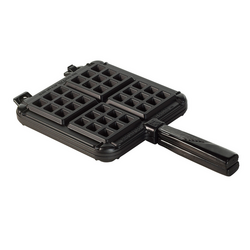
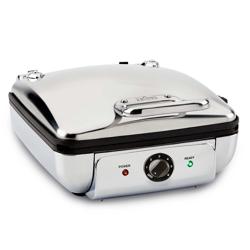
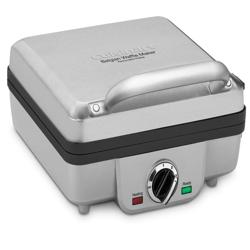
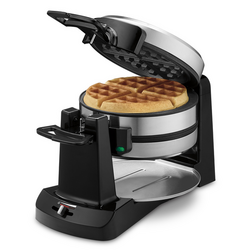
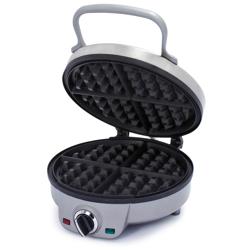
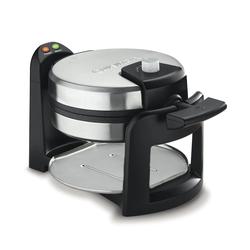
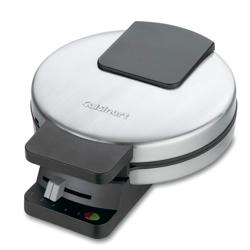
Belgian waffle makers for breakfast buffets put crisp-edged, deep-pocketed waffles at the center of a help-yourself spread. Their thicker shape gives guests room for berries, maple syrup or a spoonful of yogurt, while a tender interior makes each waffle satisfying enough to anchor the meal. For a family brunch, a birthday breakfast or a gathering of overnight guests, a dedicated waffle maker brings the cooking close to the table without requiring every plate to be assembled in the kitchen. The right fit depends on how the buffet will work: a few people eating together have different needs from a larger group arriving in waves. Cooking capacity matters, but so does the time between batches. A machine that makes one large waffle may suit guests who want smaller portions when each waffle is divided along its scored sections. Designs that cook multiple full waffles at once can help keep a busier breakfast moving. The distinction between whole waffles and individual sections is worth noting when comparing cooking surfaces. Round and square shapes both work well on a buffet; the more useful consideration is whether the portions fit the plates and appetites at the table. Depending on the design, adjustable browning controls allow for preferences ranging from lightly golden to a darker, crisper finish. Ready lights and audible signals can make it easier to follow the cooking cycle while tending to eggs, fruit or coffee nearby. Rotating designs are intended to help distribute batter across the plates, while stationary designs offer a straightforward countertop setup. Neither format replaces following the recommended batter amount, especially with thick Belgian-style waffles that need room to rise. For gatherings that stretch over an hour or more, consistent results and comfortable handling often matter more than an extensive set of controls.
A buffet appliance needs to fit the space around it as well as the meal. The working footprint includes more than the base: a hinged lid needs clearance above it, a rotating handle needs space to turn and a filled plate needs somewhere to land. On a narrow kitchen counter, those details can determine whether the breakfast station feels organized or crowded. A stable, heat-resistant surface near a suitable outlet keeps the maker separate from the path guests take to collect plates and toppings, with the cord positioned where it cannot be snagged. Housing materials also influence everyday use. Stainless steel exteriors offer a sturdy feel and a finish that coordinates with many kitchen appliances, though fingerprints and splashes may need wiping away. Molded exterior components can help reduce overall weight, which may matter when the waffle maker moves between a cabinet and a serving counter. Exterior material alone does not establish durability; hinge construction, handle attachment, plate condition and care all contribute to how well an appliance holds up. Nonstick cooking surfaces are common because the deep grid would otherwise make delicate waffles difficult to release. Wood or silicone utensils help protect those surfaces from scratches, while the manufacturer’s directions should determine whether oil or cooking spray is appropriate. Removable plates, where included, can simplify cleaning, but dishwasher care should never be assumed. Fixed plates generally call for careful wiping after the appliance is unplugged and has cooled. Overflow channels or removable drip trays can help contain small spills, although measured portions remain the best way to avoid batter running down the sides. Batter caught around a hinge is easier to address promptly than after repeated cooking cycles. For smaller kitchens, upright storage and cord storage can make the appliance easier to put away, provided those storage positions are supported by its design. Keeping the plates protected in the cabinet helps preserve the cooking surface between breakfasts.
The appeal of a waffle buffet is the freedom it gives guests to build breakfast their own way. A simple arrangement of fruit, syrup and butter can serve a relaxed family meal, while savory toppings such as sautéed mushrooms or shredded cheese offer a different direction without changing the basic setup. Keeping toppings beside the serving plates rather than beside the hot cooking surface gives guests room to finish their waffles without crowding the person handling the batter. Smaller portions let people sample different combinations and make a freshly cooked batch go further. A designated cook is often the most comfortable arrangement when children are present or the counter is busy; heat-resistant handles do not mean every nearby surface stays cool. If waffles are prepared ahead, a brief hold on a rack in an oven set according to the recipe can help preserve their texture better than stacking them on a plate, where trapped steam softens the edges. Batter containing eggs or dairy should be handled according to food-safety guidance rather than left out for the length of a leisurely gathering. Separate topping utensils and clearly identified ingredients are helpful when guests have dietary restrictions, though a shared waffle maker should not be assumed to prevent allergen cross-contact. For another group-breakfast setting, explore
Belgian Waffle Makers For Summer Camps. In any setting, the appliance’s intended use matters: a household waffle maker should not be assumed suitable for continuous commercial service simply because the breakfast is served buffet-style. For home cooks who regularly host brunch, these appliances can become part of a familiar weekend routine. They also make thoughtful wedding or housewarming gifts when the recipient enjoys gathering people around the table and has room to use and store one. A well-matched waffle maker earns its place through manageable batches, practical cleanup and breakfasts that feel welcoming without making the host miss the meal.