-
(102)
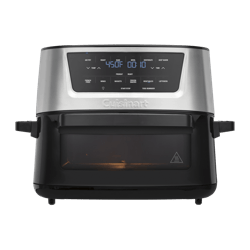
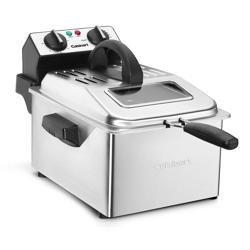
A powerful and spacious stainless steel deep fryer with a digital timer and easy-to-clean parts.
Pros: easy to clean, works well, easy to use
-
(127)
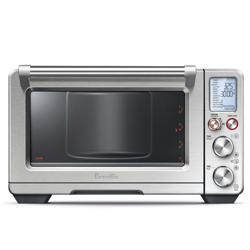
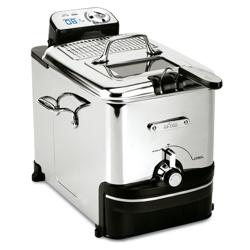
A 3.5L stainless steel deep fryer with automatic filtration and oil storage for easy clean-up.
Pros: easy to clean, easy to use, easy setup
-
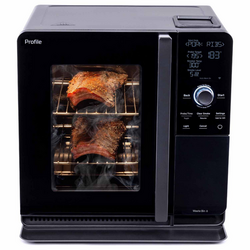
(339)
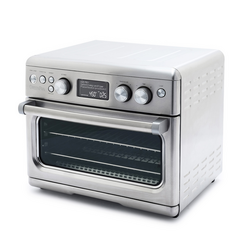
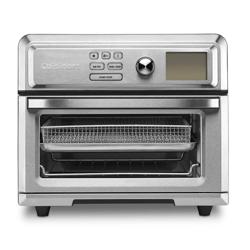
A versatile stainless steel oven in silver that air fries, proofs dough, dehydrates, and more with digital controls.
Pros: versatility, fast cooking, compact
-
(32)
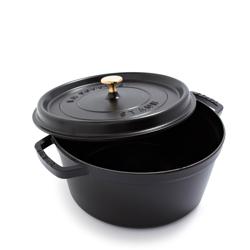
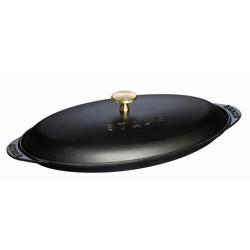
A durable black cast iron fish pan with a textured interior for exceptional searing and easy cleanup.
Pros: easy to clean, perfect size, versatility
-
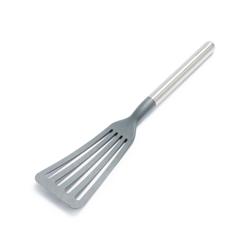
(11)
A durable and heat-resistant nylon fish turner with long slots for easy lifting and draining.
Pros: easy to pick up fish, gentle on nonstick, compact
Best Fish Fryer
A fish fryer is a great way to cook fresh fish at home. It's fast, easy, and usually inexpensive. Plus, you can make your own batter and fry it in healthy oils. But with so many models on the market, how do you know which one is right for you? We've tested several to find the best fish fryer overall.
Best Fish Fryer
FAQ List
A fish fryer is a kitchen appliance used to cook seafood, typically fish, by deep frying it in oil or another cooking medium.
There are electric fish fryers, propane fish fryers, and natural gas fish fryers. Each type has its own advantages and disadvantages, so it's important to choose the one that best fits your needs.
When choosing a fish fryer, consider the size of the fryer, the type of fuel it uses, and the features it has. Additionally, think about your budget and how often you plan on using the fryer.
Yes, you can use a fish fryer to cook other types of food, such as chicken, French fries, and vegetables. However, it's important to clean the fryer thoroughly between uses to prevent cross-contamination and ensure the best taste.
To clean a fish fryer, allow the oil to cool completely, then drain it into a container for disposal. Use a paper towel or cloth to wipe down the interior of the fryer, then wash it with warm, soapy water. Rinse the fryer thoroughly and dry it completely before using it again.
-
"The best warranty and customer service. I love my air fryer it's so easy to use"
-
"The best I have ever owned. I super love this oven. The "airplane " mode is awesome"
-
"Love it! Best thing I've bought in a long time! Drummies and wingettes are great"
-
"I love this convection air fryer! It is so quiet. It works so well. I am so glad I bought this"
-
"The best thing since sliced bread. Great size, phenomenal quality, beautiful craftsmanship"