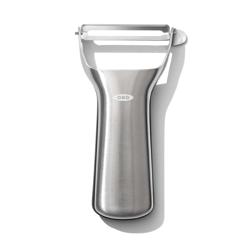
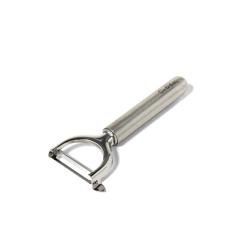
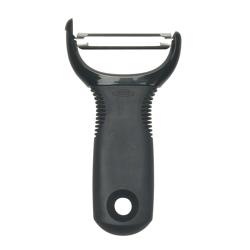
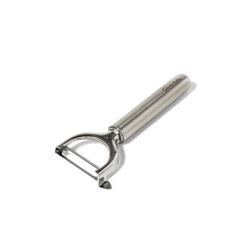
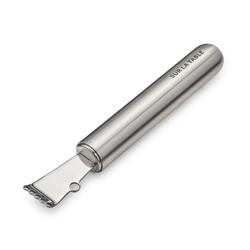
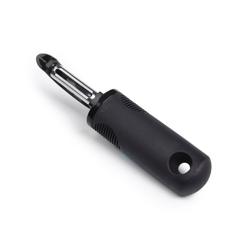
A Y-peeler is a simple, efficient tool for removing skins from fruits and vegetables, and the best Y peeler can make everyday prep feel noticeably easier. Unlike a straight vegetable peeler, a Y-shaped model places the blade across the handle, allowing you to use a comfortable forward-and-back motion as you work. That broad movement can be especially helpful when peeling potatoes, carrots, cucumbers, apples, pears, butternut squash and other produce with firm or uneven skins. A sharp blade should glide close to the surface, removing a thin layer while preserving as much of the food as possible. This matters when you are preparing a bowl of potatoes for roasting, trimming carrots for a fresh salad or getting apples ready for a tart. Look for a blade that feels precise rather than rough or snagging, with a handle that remains secure as your hands become wet from rinsing produce. A lightweight peeler can move quickly and reduce hand fatigue during larger jobs, while a slightly more substantial design may feel steadier to cooks who prefer a little extra control. The shape is naturally comfortable for many people because the hand rests above the blade instead of gripping a narrow handle from the side. Still, comfort is personal, so consider the handle’s width, texture and balance before choosing. A wide, cushioned grip is often a good fit for frequent cooks or anyone who experiences discomfort during repetitive prep. A smooth stainless steel handle may appeal to those who prefer a sleek, seamless look and easy cleanup. If you are shopping for an affordable kitchen gift, a Y-peeler is a practical choice for a new cook, college student, first apartment dweller or home gardener who regularly brings fresh produce into the kitchen. It takes up very little drawer space, works without electricity and is useful in nearly every style of cooking. Pairing one with a cutting board, kitchen towel or selection of seasonal produce can turn a small utensil into a thoughtful housewarming or host gift. For more budget-friendly options, explore
Best Peeler Under $20.
Blade material is one of the main differences to consider when comparing Y-peelers. Stainless steel is a popular choice because it resists corrosion, has a clean appearance and is generally easy to care for. Some stainless steel blades are designed with a double edge or a movable blade that follows the contours of produce and peels in either direction. This can make prep feel more fluid, particularly for left-handed cooks or anyone who likes to switch hands while working. Carbon steel is valued for its sharpness and can offer an exceptionally smooth cut through tough skins, but it requires more attentive care. After using a carbon steel peeler, hand-wash it if recommended, dry it immediately and store it away from lingering moisture to help prevent rust or discoloration. Even when a peeler is labeled dishwasher safe, hand-washing and prompt drying can help preserve the edge and finish over time. Check the care instructions for the specific tool, especially if it includes a rubberized grip, moving parts or a built-in potato eye remover. A potato eye is easy to overlook during prep, and a small pointed feature can remove it neatly without requiring a separate paring knife. Blade width and flexibility also affect performance. A narrower blade may provide more control on small produce and delicate fruits, while a wider blade can cover more surface area on large potatoes, squash or long carrots. The most useful design is one that feels sharp but predictable, without requiring heavy pressure. Excess pressure can lead to uneven peeling and makes the task harder on your hand. For best results, rinse produce first, set it securely on a cutting board and peel away from your body using smooth, even strokes. Round vegetables may be easier to steady by cutting a small slice from one end, while long vegetables can be held at an angle so the blade follows their length. Keep the peeler’s blade protected in a utensil drawer or container when it is not in use, and replace it if the blade becomes dull, bent or difficult to control.
Choosing among the best Y peelers ultimately comes down to the way you cook, the produce you prepare most often and the kind of maintenance you are comfortable with. A household that cooks weeknight dinners from scratch may appreciate a fast, lightweight tool for potatoes, carrots and cucumbers. Someone who enjoys baking may reach for a Y-peeler when removing apple skins, creating long strips of citrus zest or preparing pears and stone fruit for desserts. A gardener or farmers market shopper may value a reliable peeler during the seasons when baskets of root vegetables, zucchini and firm fruit fill the counter. Cooks who prepare vegetable ribbons can use a sharp Y-peeler to make delicate strips of carrot, cucumber, asparagus or summer squash for salads, grain bowls and garnishes. For a more rustic dish, leave some skins on—potatoes and carrots often gain color and texture from their skins—and use the peeler only where a smooth finish is needed. The tool can also help with simple decorative touches, such as wide strips of cucumber for wrapping appetizers or thin ribbons of carrot for topping a noodle bowl. When comparing options, pay attention to whether the blade is fixed or swivel, whether it works in both directions, how the handle feels after several strokes and whether the tool includes useful details such as an eye remover or hanging loop. A fixed blade may feel straightforward and stable, while a swivel blade can adapt more easily to curves and changing angles. Left- and right-handed usability is worth noting when a peeler will be shared by several people. During warmer weather, it can speed up prep for crisp salads, slaws and chilled vegetable dishes; during cooler months, it is equally useful for roasting pans, soups, stews and comforting baked desserts. The right Y-peeler is not complicated, but it should be sharp, comfortable and easy to care for—qualities that make a small kitchen tool earn its place in the utensil drawer.