-
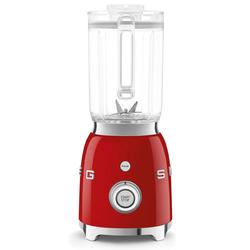
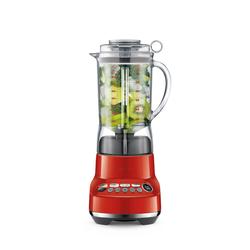
A red plastic blender offering flexible controls for smoothies, soups, sauces and frozen drinks.
-
(192)
A red metal blender with nine settings, Kinetix™ blades and dedicated smoothie and ice programs.
-
(69)
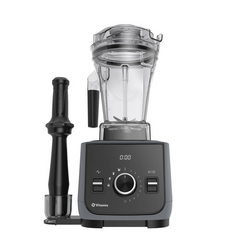
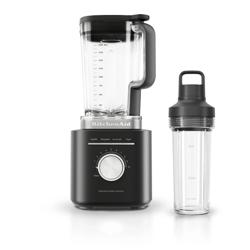
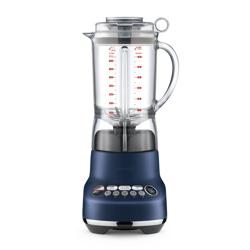
A premium gray blender with three programs, variable speed control, and a digital timer for perfect textures.
-
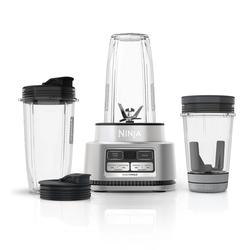
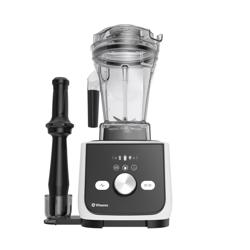
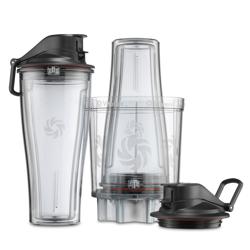
A stainless-steel blender system with clear plastic cups, smartTORQUE technology and six programs for versatile blending.
-
A versatile metal kitchen system with BlendSense Technology for blending, chopping, puréeing and mixing dough.
-
(17)
A sleek white blender with a 48 oz. glass jar and user-friendly speed settings.
-
(27)
A compact black stainless steel blender with automatic speed adjustment for effortless personal smoothies and drinks.
-
(47)
A powerful black blender with stainless steel blades, featuring simple controls and a convenient self-cleaning program.
-
(38)
A premium black blender with five programs, variable speed control, and a digital timer for perfect textures.
-
(87)
A sleek white blender with stainless steel blades, featuring ten programs, variable speed, and intuitive touch controls.
-
(64)
A versatile black plastic blender with precision speed control and a personal jar for on-the-go blending.
-
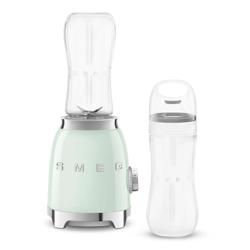
A pastel green plastic blender with retro-inspired design, featuring push-down operation and two portable bottles.
-
A white plastic hand blender with two speeds, stainless steel components and portable Tritan Renew bottles.
-
(149)
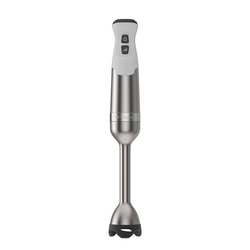
A powerful white stainless steel immersion blender with five variable speeds for precise texture control.
-
(327)
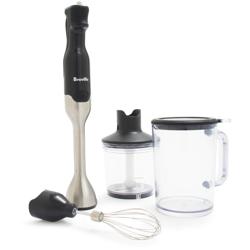
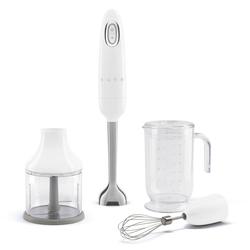
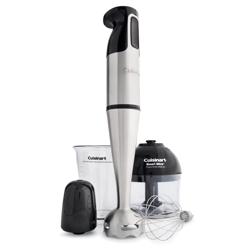
A powerful hand blender with variable speed settings for easy blending, prepping, and whipping.
Blenders For Frozen Drinks
For those seeking the perfect blender to whip up refreshing frozen drinks at home, look no further than our curated selection of high-performance blenders designed to crush ice and blend ingredients with ease. Whether you're craving a smooth and creamy piña colada or a vibrant berry smoothie, these blenders are equipped with powerful motors and durable blades to create perfectly blended beverages every time. Say goodbye to lumps and chunks in your frozen concoctions and elevate your at-home bartending game with one of these top-notch blenders for frozen drinks.
Blenders For Frozen Drinks
-
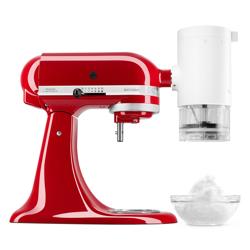
"but this KitchenAid ice shaver attachment looked so simple that I purchased it, tried and absolutely love"
-
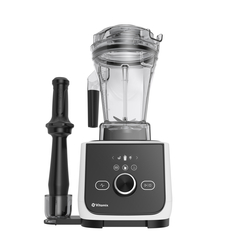
"This is a great blender! I have the black, very sleek, simple design"
-
"This is a great blender! First I made a smoothie, because who wouldn't to try it out"
-
"Easier to clean and quality of smoothes is better then leading companies from Best Buy"
-
"Also, love the stacking containers - the best for smaller kitchens like mine"