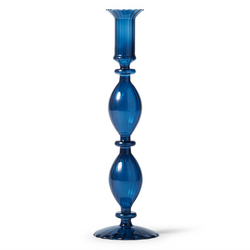
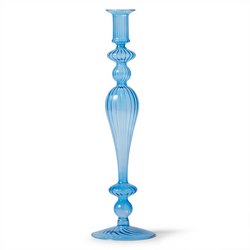
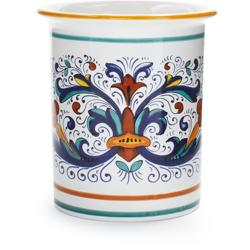
Blue kitchen holders combine everyday organization with color, giving cooking tools a convenient home on the counter. Blue utensil holders and crocks keep spoons, spatulas and whisks within reach, while blue pot holders serve a different purpose: helping protect hands when handling hot cookware, according to their intended use. For countertop storage, the appeal is both practical and visual. A crock beside the main preparation area keeps frequently used tools out of crowded drawers and makes it easier to reach for a wooden spoon while stirring sauce or a flexible spatula while folding batter. Ceramic holders, including stoneware and porcelain, bring a substantial feel to the counter, with glazed surfaces that can complement everything from simple white dishes to patterned serving pieces. Metal holders offer another approach, with durability and care requirements that depend on the underlying material and finish. Across these materials, blue can be a quiet accent or a more noticeable part of the room. Navy adds depth beside pale cabinetry, softer blue shades sit comfortably with natural wood and blue-and-white patterns connect easily with classic tableware. Smooth finishes emphasize clean shapes, while ribbed surfaces and variations in glaze add texture without requiring extra decorative objects. A holder does not need to match every towel or dish to feel at home. Repeating a similar shade in one or two nearby details can create a connection while leaving room for the pieces already in use. The most useful blue kitchen holders earn their counter space by keeping essential tools accessible, not simply by holding as many utensils as possible. For a cook who reaches for the same spoon, turner and whisk every day, a well-proportioned crock can make the preparation area feel more settled without changing the way the kitchen works.
The fit of a utensil holder depends on its height, opening and base as much as its overall capacity. Long-handled tools need enough support to stay upright, but a vessel that is too deep can leave shorter handles difficult to grasp. A wide opening gives utensils room to move, making it easier to remove one spatula without bringing several other tools along. Some breathing room also helps keep a full crock from becoming a tangled bundle of whisk wires, spoon bowls and handles. A substantial base can help resist tipping, although balance still depends on the shape of the holder and the weight of its contents. This matters when several tall tools lean in the same direction or when a broad turner catches against neighboring utensils. Countertop footprint deserves equal attention. In a compact kitchen, a smaller holder reserved for daily essentials can leave more room for a cutting board; in a larger preparation area, separate holders can keep baking tools apart from those used at the stove. Placement works best when tools are easy to reach without putting the holder against a burner, beneath a low cabinet that blocks tall handles or directly in the path of sink splashes. Care is another part of everyday usefulness. Smooth glazed interiors are generally easier to wipe clean than deeply textured surfaces, but dishwasher suitability varies by product. Manufacturer instructions remain the best reference for washing, soaking and drying, particularly when a holder has an unglazed base, a painted finish or attached components. Clean utensils should be dry before being stored upright so moisture does not collect at the bottom. Ceramic can chip if struck against a hard sink, while metal finishes may scratch with abrasive cleaning. Alongside utensil storage,
dish holders for the kitchen give dishes a designated place and help distinguish the cleanup area from the space used for chopping and mixing.
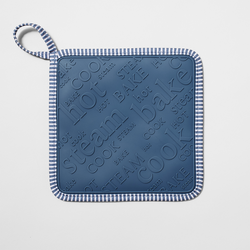
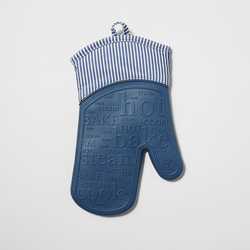
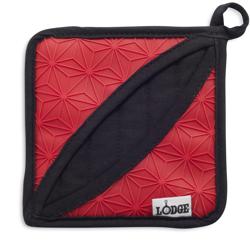
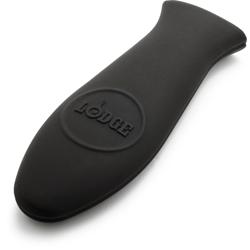
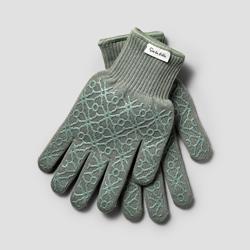
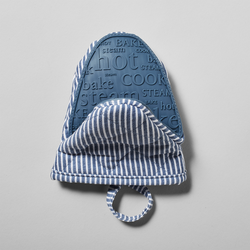
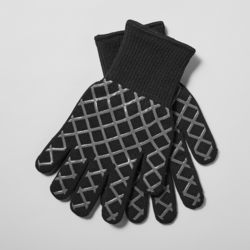
Blue pot holders bring the same color story to a more flexible kitchen essential, but their construction calls for different considerations. Fabric, insulation, stitching and grip all contribute to how a pot holder feels in the hand and performs during its intended tasks. Quilted cotton offers a familiar textile feel, while designs that incorporate silicone may provide a textured gripping surface; neither appearance nor thickness alone establishes a product’s heat protection. Heat-resistance information and use instructions matter more than color when choosing something for lifting a baking dish or holding a saucepan handle. Size also affects comfort. A pot holder should provide sufficient coverage for the hand without leaving so much loose material that it becomes difficult to control around handles and lids. Dryness is especially important with fabric pot holders because moisture can transfer heat quickly. Pieces with worn insulation, damaged seams or scorched areas need attention rather than continued use simply because the outer fabric still looks presentable. Some pot holders are also intended to serve as trivets, but that use should be confirmed in the product details rather than assumed. Washable construction can be helpful in a kitchen where sauce splatters and floury hands are part of regular cooking, with care instructions determining whether machine washing or another method is appropriate. Beyond their daily role, blue kitchen holders can make thoughtful gifts for someone setting up a first apartment, settling into a new home or refreshing a well-used cooking space. A countertop crock suits a recipient who likes favorite tools in view, while pot holders suit cooks and bakers who appreciate practical linens. Choosing a shade that relates to their dishes or kitchen towels makes the gift feel personal without requiring an exact match. Whether the preference is a simple solid blue or a decorative pattern, the lasting appeal comes from the combination of useful proportions, manageable care and a color that feels comfortable among the objects used every day.