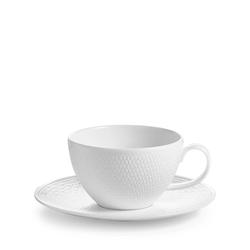
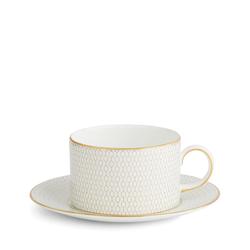
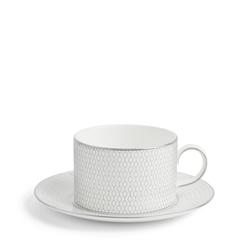
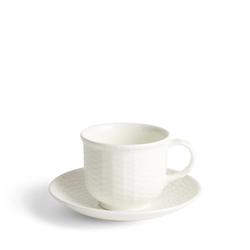
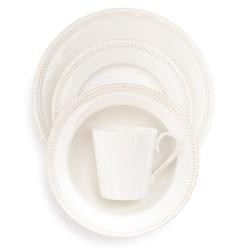
Bone china teacups and saucers bring a light, comfortable feel to the simple pleasure of sitting down with tea. A thin rim, a handle that rests easily between the fingers and a saucer that catches the occasional drip all contribute to the experience, whether the cup holds a brisk breakfast blend or a fragrant jasmine tea. Bone china is a type of ceramic made with bone ash, which helps give the finished material its characteristic translucency, warm white color and strength. Despite its delicate appearance, well-made bone china can be durable enough for regular use when handled with care. Its strength allows for relatively thin walls, so a cup can feel lighter in the hand than a similarly sized piece of heavier pottery. That balance is part of its appeal: it feels special without needing to be reserved for company. The smooth, glazed surface is also practical, providing a pleasant drinking edge and a finish that is generally easy to clean. Color and finish deserve a closer look when coordinating a table, since bone china can range from a soft ivory tone to a brighter white depending on its composition and glaze. Plain surfaces keep the focus on the shape of the cup, while relief details, patterns or decorative borders add another point of interest. Neither approach requires a formal setting. A cup and saucer can sit comfortably beside toast at breakfast, accompany a slice of cake in the afternoon or make a quiet break between tasks feel more intentional. For households that enjoy brewing loose-leaf tea, individual cups also make it easy to pour smaller servings from a shared teapot. The saucer gives the cup a defined place to rest and provides a landing spot for a teaspoon, keeping the setting tidy without adding much to the table.
The best fit depends as much on how a cup feels as on how it looks. Capacity is worth considering alongside overall dimensions, particularly when matching teacups to an existing teapot or deciding how much room to leave for milk. A smaller cup suits frequent pours and shared tea service, while a more generous bowl may be more comfortable for someone who prefers a longer, uninterrupted cup. Listed capacity often describes the amount a vessel holds near the rim, so a comfortable serving will usually be less. Shape changes the drinking experience, too. A broad opening exposes more of the tea’s surface, allowing it to cool more quickly, while a narrower opening exposes less. Handle size matters for everyday comfort, especially for anyone who prefers more finger room or wants a secure grip without touching the body of the cup. A saucer should support its matching cup securely, with a center well that accommodates the base rather than leaving it perched or sliding around. Enough room around the cup for a spoon is useful, particularly when serving sugar or milk. Overall proportions also affect storage: wide saucers need more shelf space, and projecting handles can make tightly packed cupboards awkward. For coordinated place settings,
White Bone China offers a related direction for pairing cups and saucers with plates, bowls and serving pieces. Matching every detail is not essential, however. Similar undertones, compatible rim shapes or a shared decorative detail can help different pieces feel at home together. Simple teacups work well alongside patterned linens, while more detailed cups can stand out against an otherwise understated table. For a wedding, anniversary or housewarming gift, the recipient’s habits are a useful starting point. Someone who hosts afternoon tea may appreciate a coordinated service, while a dedicated solo tea drinker may get more enjoyment from a setting that fits a favorite daily ritual.
Care requirements help determine whether bone china teacups and saucers will suit everyday breakfasts, occasional entertaining or both. Dishwasher and microwave compatibility depend on the individual piece and its decoration, not simply on the fact that it is bone china. Manufacturer care instructions are especially important for painted details, metallic borders and other decorative finishes. Metallic trim should not go in the microwave, and even dishwasher-safe pieces benefit from being positioned so they cannot knock against neighboring dishes during a cycle. Hand-washing is a gentle option when recommended, using mild dish soap, warm water and a soft sponge rather than abrasive pads or scouring powders. A towel or washing mat in the sink can soften an accidental bump, and supporting the body of the cup while cleaning puts less strain on the handle. Tea stains are easier to manage when cups are rinsed soon after use; persistent marks call for a cleaning method approved for the finish rather than vigorous scrubbing. Like other ceramics, bone china can chip at exposed edges or crack after a sharp impact, so durability is best understood as strength with sensible care, not resistance to every knock. Sudden temperature changes are another consideration. A cup brought from a cold storage area should be allowed to reach room temperature before receiving very hot tea. For storage, leaving space between handles and using soft separators between stacked saucers can help protect rims and decoration. These small habits make it easier to enjoy the pieces regularly instead of keeping them tucked away. When choosing a gift, easy-care finishes may be especially welcome for someone who plans to use the cups daily, while a more decorative setting may suit a recipient who enjoys arranging a tea tray for guests. Whether used for a quick breakfast pour or a leisurely conversation over a shared pot, well-chosen bone china teacups and saucers combine a comfortable drinking experience with details worth noticing.