-
(23)
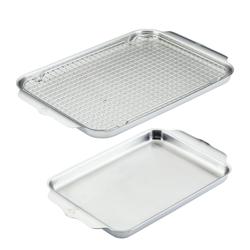
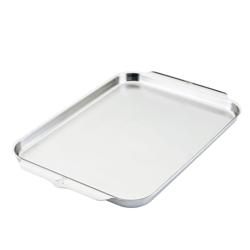
A silver rectangular baking pan made of triple-bonded clad stainless steel for even heat distribution.
Pros: perfect size, sturdy, easy to clean
-
(124)
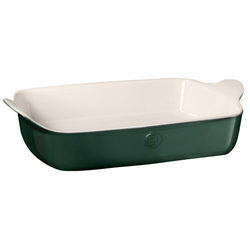
A 13"x9" rectangular baker made of Burgundy clay for even cooking and thermal shock resistance, in evergreen.
Pros: easy to clean, easy cleanup, functional
-
(72)
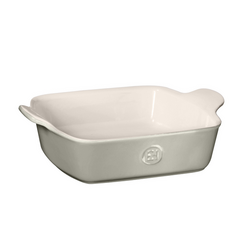
A gray square baker made of Burgundy clay for even cooking and thermal shock resistance.
Pros: easy to clean, quality, size
-
(17)
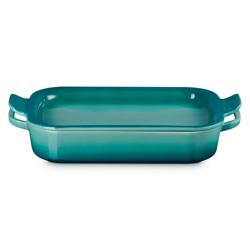
A versatile blue stoneware baker with a platter lid that doubles as a separate oven-safe pan.
Pros: multifunctional, versatility, quality
-
(115)
A green rectangular baker made of Burgundy clay for slow, even cooking and superior heat retention.
Pros: versatility, easy cleanup, durable
-
(15)
A white Burgundy clay baker offering even heat distribution and a naturally non-stick surface.
Pros: beautiful, love, easy release
-
(7)
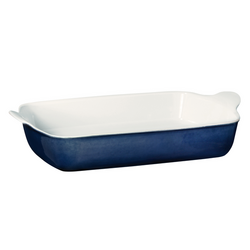
A durable and attractive twilight blue baker made from Burgundy clay for slow, even cooking and superior heat retention.
Pros: easy to clean, beautiful, perfect size
-
(5)
A rose candy pink heart-shaped baker crafted from Burgundy clay for even heat distribution and elegance.
Pros: love, beauty, gorgeous
Broiler-Safe Baking Dishes
Choose a broiler-safe baking dish for baked pasta, vegetable gratins and other meals you can bake, finish under the broiler and serve in the same vessel. Compare shapes, materials and capacities to find a dish that suits your everyday recipes and looks at home on your table.




Best Of FAQ
Baked pasta, vegetable gratins and casseroles are common choices, particularly for recipes that call for a broiled finish after baking. Baking-and-serving dishes can also be used for desserts such as fruit crisps, depending on the recipe.
Oven-to-table bakeware serves as both the cooking vessel and the serving dish. It lets you present a finished meal or dessert without transferring it to a separate platter or bowl.
Choose a neutral finish that works across several table settings or pick a color that echoes your plates, linens or serving pieces. Matching every piece is not necessary; a shared color or similar style can tie the table together.
The terms often overlap and can both describe vessels used for oven-cooked meals. Casserole can also refer to the food itself. Compare a dish's form and intended uses rather than relying on its name alone.
Think about the recipient's favorite recipes, kitchen style and approach to entertaining. A versatile shape and a finish that complements their existing tableware can make the dish a thoughtful addition to their cooking routine.

-
"Love love love my Hestan sheet pans! Simply the best"
-
"I love the even heat distribution, the handles do not get hot,food stays warm even after burner has been"
-
"Great tray. We make baklava often and this is the best"
-
"is THE BEST nonstick cookware we've ever used, and washes up beautifully"
-
"I do love the size of this pan though. Great for making pasta and soap dishes"