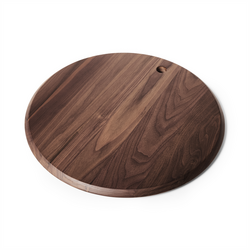
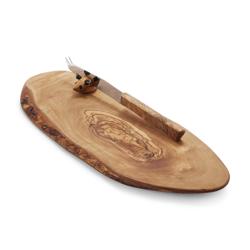
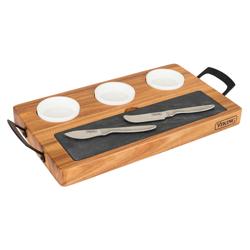
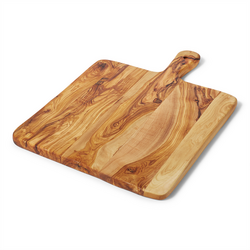
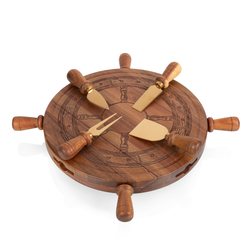
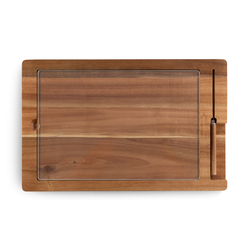
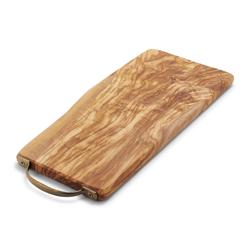
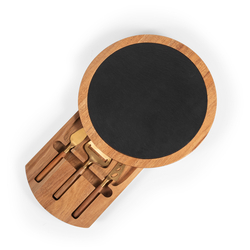
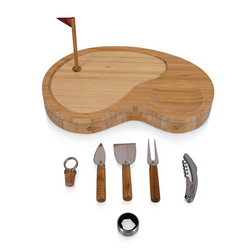
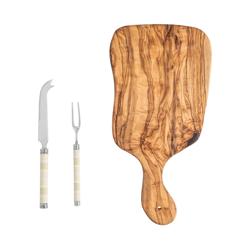
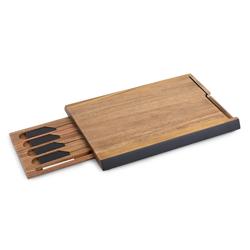
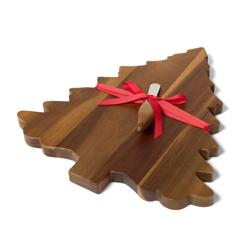
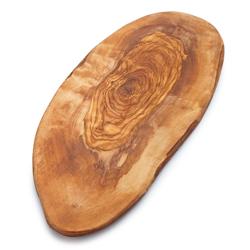
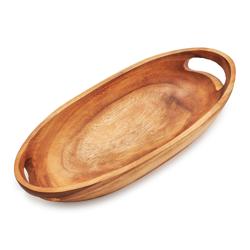
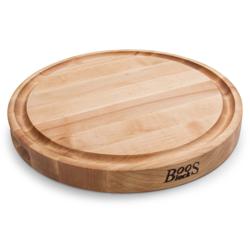
Brown cheese boards bring a natural, welcoming look to the table while giving cheeses, fruit and accompaniments a dedicated place to serve. Their appeal is practical as well as visual: a brown surface frames pale chèvre, golden aged cheddar and the deep purple of sliced figs without competing with the food. Wood is a common choice, with acacia, walnut and other hardwoods offering different shades, grain patterns and weights. Acacia often has pronounced variation between lighter and darker streaks, while walnut is known for its rich brown tones and distinctive grain. Even boards made from the same type of wood can look different, so variation in color and pattern is part of the material’s character. When comparing brown cheese boards, consider the usable serving area, overall dimensions, weight and care requirements alongside the finish. A compact board can hold a wedge of cheese, a handful of grapes and a few crackers for an easy appetizer for two. A larger surface gives several cheeses breathing room and leaves space for guests to cut a piece without nudging neighboring food off the edge. Rectangular shapes make efficient use of a narrow counter or dining table, while round boards can feel especially inviting at the center of a gathering. A handled design may be convenient for carrying from kitchen to table, though the handle adds to the overall footprint without necessarily adding serving space. Thickness matters, too: a substantial board may feel reassuringly sturdy, but a lighter one can be easier to carry, clean and put away. Think about where the board will sit during a meal and where it will live afterward. A beautiful piece earns its place when it fits both the way food is served and the cupboard or shelf that holds it between uses.
Materials and construction make a difference in how a cheese board feels in use and how it wears over time. Solid hardwood offers a tactile surface that suits both casual snacking and a more arranged cheese selection, but wood species alone does not tell the whole story. Look for a smooth, food-safe finish, comfortable edges and care instructions that match the attention the board will receive. Brown coloring may come from the wood itself or from an applied finish, so check the material description rather than judging construction by color. If cheese will be sliced directly on the surface, confirm that the board is intended for that use; a decorative serving finish may need different treatment from a surface designed for knife contact. Small marks can develop with repeated cutting, even on durable hardwood. Using appropriate cheese knives and avoiding forceful chopping helps keep a serving board looking its best. For wooden cheese boards, hand-wash as directed with mild dish soap and warm water, then dry promptly and allow all surfaces to dry completely before storage. Avoid soaking or putting wood in the dishwasher unless the manufacturer specifically permits it, since prolonged moisture and intense heat can contribute to warping or cracking. Some unfinished or oil-finished boards benefit from periodic conditioning with food-safe mineral oil or a recommended board conditioner; sealed finishes may require a different approach. Follow the board’s instructions rather than applying the same treatment to every surface. Store it in a dry location away from direct heat, either flat or securely upright without pressure that could cause bending. Strongly colored berries, oily accompaniments and pungent cheeses are also worth considering when planning a spread. Small dishes for olives, jam or marinated vegetables help contain liquids and make cleanup easier while leaving the wood visible around the food.
The most useful brown cheese board is one that suits the food and company it will serve. For a relaxed evening with a few friends, enough space for three contrasting cheeses, sliced pears and a small bowl of preserves may be all that is needed. For a larger gathering, a broad board allows cheeses to be spaced apart with separate knives, while bread and crackers can sit alongside in their own baskets or dishes. This keeps the arrangement accessible rather than crowded and makes it easier to replenish food as guests help themselves. Leave room near firm cheeses for cutting and give soft cheeses a little separation from crisp accompaniments. If a board will travel from a kitchen counter to a patio table or another room, consider how easily it can be lifted when full. Handles and shaped edges can help with grip, but the weight of the food and any bowls needs to be manageable, too. Measure the intended serving space with nearby plates and glasses in mind, not just the empty tabletop. Brown tones are easy to pair with white dinnerware, clear glass and simple linens, while visible grain adds interest to a table that otherwise needs very little decoration. A board can be the starting point for an appetizer or a cheese course after dinner, and serving-safe designs may also work well for bread, sandwiches or small pastries. For a broader range of presentation needs,
Brown Serving Boards offer a related direction to explore. Cheese boards also make thoughtful gifts for people who enjoy hosting, couples setting up a home or a friend who turns a few good ingredients into an impromptu meal. Choose with the recipient’s habits in mind: a compact, easy-to-store board for a small kitchen, a generous surface for frequent gatherings or an understated shape for someone who prefers everyday versatility. Paired with cheese knives or small condiment dishes, a well-chosen board supports many ways of serving without requiring an elaborate spread. The lasting appeal comes from that balance of attractive material, comfortable handling and a size that makes sharing food feel easy.