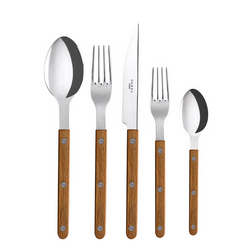
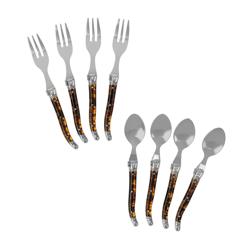
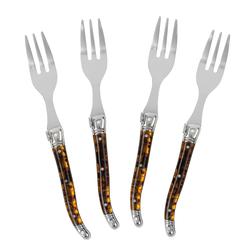
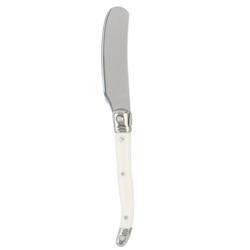
Brown handle flatware sets combine metal forks, knives and spoons with brown handles for a table setting that feels warm and inviting. Their appeal spans rustic, French-country and contemporary spaces, depending on the handle shape, shade and finish. A deep brown handle can create a crisp outline against white dinnerware, while a lighter wood-inspired tone sits comfortably beside cream stoneware, woven placemats and linen napkins. The color also complements blue dishes, green serving bowls and patterned plates without making every element compete for attention. Materials make a difference in both appearance and everyday use. Natural wood brings grain variation and a tactile surface, while acrylic, resin and other molded materials can offer a wood-inspired appearance or a more consistent brown color. A wood-grain look does not necessarily mean a handle is made from wood, so the stated material matters more than the pattern alone. Smooth, rounded handles tend to create a softer silhouette; visible rivets and defined contours give the setting a more traditional cutlery look. Stainless steel working ends provide a practical foundation, with polished surfaces adding reflection and brushed finishes lending a quieter appearance. Together, these details determine whether brown-handled flatware feels right beside a bowl of pasta at the kitchen counter or arranged around a dining table for a shared meal. It does not have to match the furniture exactly. A medium brown handle can connect a dark wood table with lighter dishes, and a rich espresso shade can add definition to a pale tablecloth. Repeating the color once in a wooden serving board or napkin ring is often enough to make the setting feel connected. For a different decorative direction,
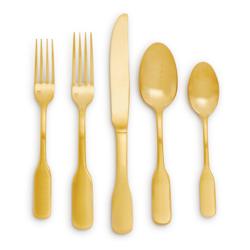
gold handle flatware sets bring a brighter accent to the place setting. Brown handles offer an earthy alternative, especially when the goal is to add texture and character without introducing another strong color.
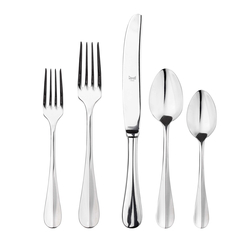
Comfort and construction matter just as much as color when flatware will be used every day. A handle should feel secure without requiring a tight grip, and its length should leave enough room for fingers to rest naturally away from the working end. A broad, gently curved shape may feel more substantial in the hand, while a slimmer profile can feel lighter and suit a smaller place setting. Weight alone is not a measure of quality: the balance between the handle and the metal end affects how comfortably a fork lifts food or a spoon rests in the hand. Smooth edges, evenly finished fork tines and a clean transition between materials are useful details to notice. Where a handle is attached rather than formed as a single piece, a close, secure fit helps limit movement and gaps where food residue can collect. Stainless steel is valued for its resistance to corrosion, but its performance still depends on the alloy, construction and care. Knives may use a different steel from forks and spoons to support a firmer cutting edge. The contents of a set deserve the same attention as its materials. A five-piece place setting typically includes a dinner knife, dinner fork, salad fork, soup spoon and teaspoon, though the exact assortment varies. When a set contains only five-piece place settings, a set of 20 serves four people and a set of 40 serves eight. Sets with serving utensils or a different combination of pieces will have a different service count. Everyday habits help put those numbers in context. A household that uses teaspoons for coffee, yogurt and snacks may want more of them than the dinner count suggests. Regular dinner guests call for enough complete settings to keep the table consistent, while occasional entertaining may work well with coordinated rather than identical utensils. The proportions matter, too: generously sized flatware can suit broad dinner plates, while more compact pieces may feel better alongside smaller dishes and shallow bowls.
Care requirements are especially important with brown handle flatware because the handle and metal portions may respond differently to water, heat and detergent. Natural wood generally needs prompt hand-washing and thorough drying rather than soaking or a trip through the dishwasher. Prolonged moisture can affect its surface and the fit between components. Acrylic, resin and other synthetic handles may have different care requirements, so a wood-like appearance should never be treated as proof that a set is either dishwasher safe or hand-wash only. The manufacturer’s instructions are the best reference for the complete utensil, not just its stainless steel portion. When dishwasher use is permitted, following the recommended loading and drying directions helps protect the finish and handle attachments. For hand-washing, mild dish soap, a soft sponge and careful drying provide a sensible routine; abrasive pads and harsh cleaners can scratch surfaces or damage decorative finishes. Rinsing away salty or acidic food residue promptly also helps preserve the metal’s appearance. A divided flatware tray gives each utensil a place without forcing handles tightly together, and putting pieces away fully dry limits trapped moisture. These practical details make a difference when choosing flatware for a busy household, a first apartment or a home where meals regularly move from a quick breakfast to a full table of guests. Brown-handled sets can also make thoughtful wedding or housewarming gifts, particularly for someone who enjoys natural textures or has already chosen neutral dinnerware. The most useful gift balances a look the recipient likes with a care routine that fits daily life. Someone who relies on the dishwasher has different needs from someone happy to hand-wash a few favorite pieces after dinner. With the right combination of comfortable proportions, suitable materials and manageable care, brown handle flatware can feel equally at home beside everyday toast, a generous salad or a carefully prepared dinner. Its distinctive color brings personality to the table while leaving plenty of room for the food, dishes and occasion to take the lead.