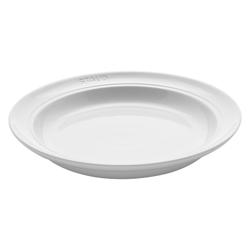
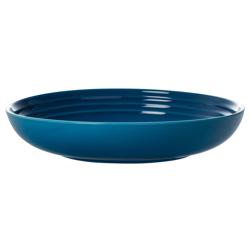
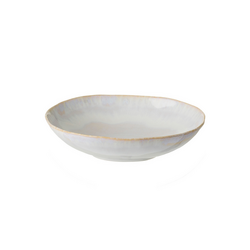
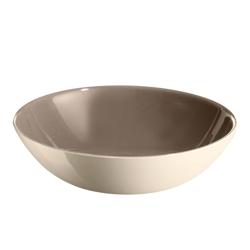
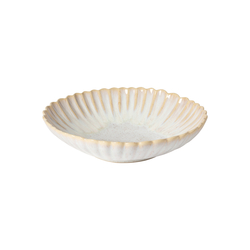
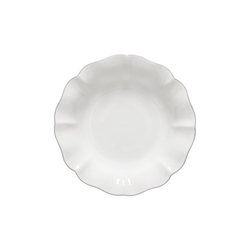
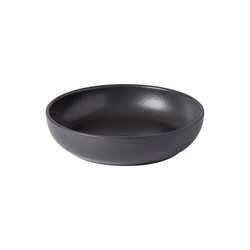
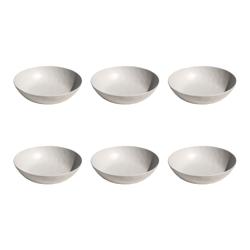
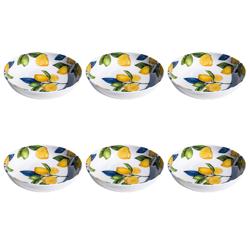
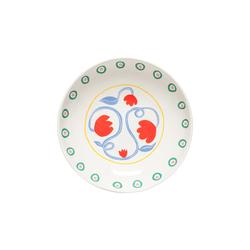
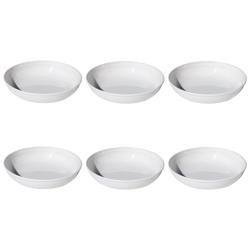
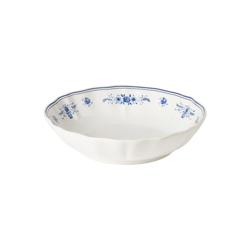
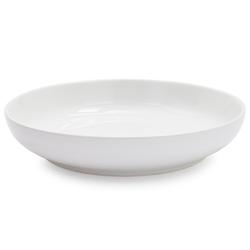
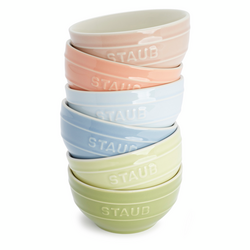
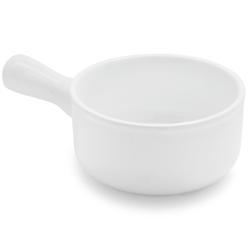
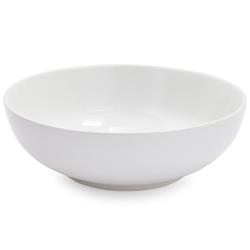
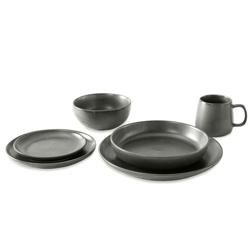
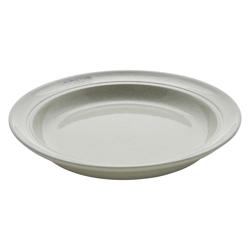
Buffet table pasta bowl sets give guests a comfortable way to serve themselves pasta, sauce and toppings while keeping the table coordinated. Sets may pair a large serving bowl with matching individual bowls or consist of individual bowls that work alongside serving dishes already at home. A wide, shallow shape is especially useful for pasta: the open surface makes room for twirling spaghetti, cutting ravioli or combining short noodles with vegetables, while the raised sides help contain sauce. On a buffet, that balance between a plate and a deeper bowl makes sense for guests moving from the serving table to a seat. A broad base helps the bowl rest securely on the table, and a defined rim provides a place to hold it without reaching into the food. Shape also influences how a meal looks and feels. A shallow bowl spreads out a modest portion of penne so the sauce, herbs and grated cheese remain visible; a deeper bowl gives saucier dishes more room. For a set that includes a serving bowl, usable capacity matters as much as diameter. Pasta needs space to be lifted and served without spilling over the edge, so a bowl filled to its stated capacity leaves little room for a serving spoon or tongs. Individual bowls should feel generous enough for a main course without being awkward to carry or crowding a place setting. For a buffet with several dishes, smaller portions leave guests room to try a little of everything. For a meal centered on lasagna rolls, stuffed shells or a hearty pasta salad, a broader bowl gives each portion breathing room. The right set brings those practical details together, whether dinner is served from a kitchen island, a sideboard or the center of the dining table. Matching pieces create a consistent presentation without requiring every serving dish to come from the same collection.
Material, finish and construction all play a part in how pasta bowls handle repeated meals and gatherings. Porcelain and stoneware are common choices, each with a different character. Porcelain can offer a relatively refined profile and a smooth surface that lets colorful ingredients stand out. Stoneware often has a more substantial feel, with glazes that may range from an even sheen to subtle variations in tone. Actual weight, thickness and finish vary by design, so those details matter more than the material name alone. A bowl that feels comfortable empty will be heavier once filled with pasta, especially when guests carry their own meals from the buffet. Smooth interiors make it easier to gather the last spoonful of sauce, while heavily textured surfaces may take more attention during washing. Neither porcelain nor stoneware is immune to chips, particularly around exposed edges and rims. Careful stacking, enough clearance in the dishwasher and avoiding knocks against a faucet can help preserve the finish. Dishwasher-safe bowls simplify cleanup after a group meal, but care instructions should confirm which pieces can go in the machine. Microwave safety and oven safety are separate features, not assumptions that follow from a ceramic construction. Any warming or reheating should stay within the manufacturer’s instructions, including limits on temperature changes. Metallic decoration may also affect microwave suitability. Storage deserves the same attention as serving: nesting bowls can make good use of a cabinet shelf, while wide rims or pronounced foot rings may create a taller stack. A large serving bowl also needs clearance in the cabinet, sink and dishwasher. Sets that suit those everyday spaces are easier to use regularly, rather than saving only for occasions that justify rearranging the kitchen. Practical care helps the bowls remain ready for everything from a quick supper to a full table of guests.
The appeal of a coordinated pasta bowl set extends beyond a single menu. White and neutral finishes provide a flexible backdrop for red sauce, green pesto and roasted vegetables, and they mix easily with patterned linens or colorful serving platters. Deeper colors can give a simple place setting more definition, while patterned bowls add interest even when the rest of the table stays understated. A restrained palette makes it easier to combine newer bowls with dishes collected over time. For a buffet, repeating the same bowl shape also gives the arrangement a sense of order, especially when serving dishes differ in size or material. Individual bowls can be placed near the start of the serving area, with enough space for guests to pick one up without reaching across the food. A large pasta bowl works well as the centerpiece of a family-style meal, while smaller bowls let everyone choose a portion and add their preferred finishing touches. Those same pieces can earn a place at breakfast or lunch with grain bowls, composed salads and other meals that benefit from a little depth. For households that prefer to build place settings around individual bowls,
Dinner Pasta Bowl Sets offer a related starting point for a coordinated table. Set size is most useful when it reflects the number of people usually eating together, with attention to whether the listed pieces include a shared serving bowl rather than only individual bowls. That distinction matters for both everyday use and gifting. A pasta bowl set makes a thoughtful wedding or housewarming gift for someone who enjoys gathering friends around a meal, particularly when its dimensions, care requirements and style suit the recipient’s home. For frequent hosts, coordinated bowls can simplify setting out dinner; for a smaller household, versatile pieces can move easily between daily meals and occasional company. The lasting value is in bowls that feel good to use, fit the kitchen and make serving a favorite meal a little easier.