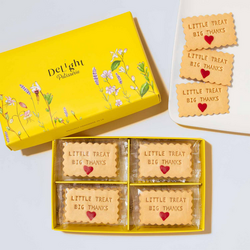
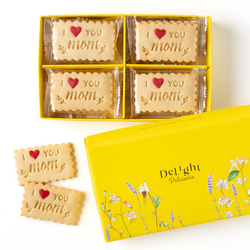
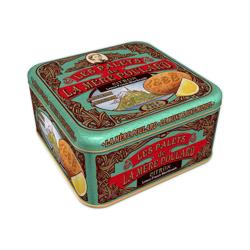
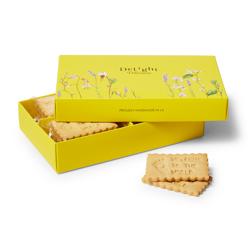
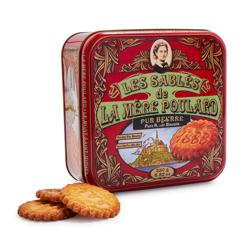
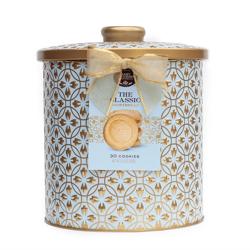
Buttery shortbread cookies are tender, crumbly cookies traditionally made with butter, sugar and flour, often with a little salt to balance their sweetness. Unlike many other cookies, classic shortbread typically contains no eggs or chemical leavening, so its appeal comes from a rich butter flavor and a delicate texture rather than a soft, cake-like center. A good piece gives way with a gentle snap, then breaks into fine crumbs that almost melt on your tongue. With such a short ingredient list, each ingredient makes a noticeable difference. Butter contributes flavor and tenderness, flour provides structure and sugar adds sweetness while influencing the finished crumb. Granulated sugar can give shortbread a slightly more pronounced crunch, while powdered sugar often produces a finer, more delicate texture. Some recipes also include rice flour or cornstarch for a particularly sandy bite. Neither variation is automatically better; the right choice depends on whether you enjoy a crisp cookie with your coffee or something more tender alongside tea. Color offers another clue to the eating experience. Pale shortbread tends to emphasize the mellow flavor of butter, while lightly golden edges bring a subtle toasted note. Thickness matters, too: a thin cookie may feel crisp throughout, while a thicker piece can combine a firm exterior with a more yielding center. For anyone choosing shortbread as an everyday treat or a gift, these small differences help distinguish cookies that might otherwise look much alike. Ingredient descriptions are worth reading closely, especially when butter flavor is the main attraction. Cookies made with other fats can have a different taste and mouthfeel, even when their shape resembles traditional shortbread. The most satisfying choice is one that matches your preference for sweetness, texture and richness, whether that means a plain cookie with a clean finish or a variation with a little extra flavor.
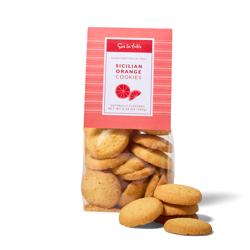
Choosing buttery shortbread cookies also means thinking about how they will be enjoyed. Plain shortbread is an easy companion to drinks because its flavor is distinct without competing with everything around it. A dark roast coffee provides a pleasantly bitter contrast, black tea balances the richness and warm milk makes a simple afternoon pairing. For a dessert plate, shortbread can add a crisp, crumbly element beside fresh fruit, a spoonful of custard or a scoop of ice cream. Its relatively restrained sweetness is useful when the other parts of the dessert are already rich. Flavored versions bring their own character: vanilla rounds out the butter notes, citrus zest adds brightness and toasted nuts contribute both aroma and crunch. Chocolate adds another layer of richness, though a thick coating can make the cookie itself less prominent. If the goal is to taste the shortbread first, a light drizzle or partial dip may suit better than a fully coated cookie. Shape and size make a practical difference at the table as well. Small rounds are convenient for a shared dessert tray, while longer fingers sit neatly beside a cup and saucer. Larger pieces feel more substantial but may be easier to enjoy over a plate, where loose crumbs are less of a concern. When putting together a selection for guests, a few contrasting textures can be more appealing than several cookies with similar flavors. Shortbread offers a buttery, crumbly counterpoint to chewy or more intensely chocolatey choices, and the broader
Tasty Cookies collection is a natural place to explore that variety. Consider the setting before choosing delicate finishes or generous coatings. A quiet coffee break leaves room to appreciate a fragile, finely textured cookie, while a busy gathering calls for portions that are easy to pick up and eat. During the cooler months, shortbread fits comfortably into both occasions, from a small plate shared after dinner to a tin opened when friends stop by.
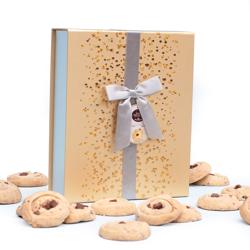
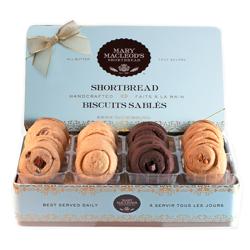
For gifting, shortbread has the advantage of feeling thoughtful without requiring an elaborate occasion. It can suit a tea drinker, a coffee enthusiast, a host who enjoys serving something sweet or someone who appreciates straightforward, familiar flavors. A simple presentation lets the cookies take center stage, while protective packaging helps preserve the texture and appearance that make them appealing. Because shortbread is intentionally crumbly, durability is more about how well it is packed than how firm it feels at first bite. A rigid container, a well-fitted tray or separated layers can help limit movement and broken edges during transport. If a gift will travel in a tote bag or spend time on a shared office table, individually wrapped portions may be useful; for a household that enjoys a cookie with afternoon tea, a resealable package can be more convenient. Package size should fit the recipient’s habits rather than simply look generous. A smaller amount that can be enjoyed soon after opening may be a better match for one person, while a larger assortment makes sense for a family or a gathering. Dietary needs deserve equal attention. Traditional shortbread contains dairy and wheat, and flavored varieties may contain nuts or other allergens. Check the full ingredient list and allergen statement rather than relying on the cookie’s appearance or name, particularly when buying for someone with a food allergy or dietary restriction. Once opened, shortbread generally keeps its best texture in an airtight container in a cool, dry place, following any storage directions on the package. Moisture can soften its crisp edges, heat can affect butter-rich cookies and chocolate finishes, and strong nearby aromas can interfere with the flavor. Keep it separate from soft, moist cookies when possible, since storing them together can change the shortbread’s texture. If longer storage is needed, follow the maker’s guidance about freezing and thawing. For serving, a small plate replenished as needed helps protect the rest from unnecessary exposure to air. These practical details keep the focus where it belongs: on a clean butter flavor, a delicate crumb and the pleasure of a well-chosen cookie.