-
(212)
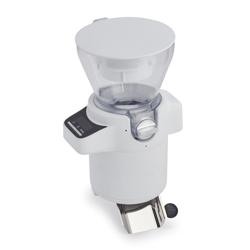
A white KitchenAid attachment that combines hands-free sifting and precise ingredient weighing for mess-free mixing.
-
(2)
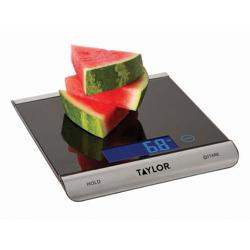
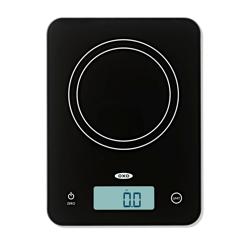
A sleek black glass kitchen scale with stainless steel accents, ideal for precise and heavy-duty measuring tasks.
-
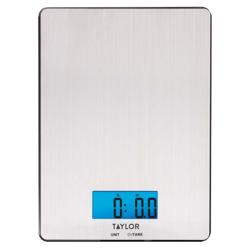
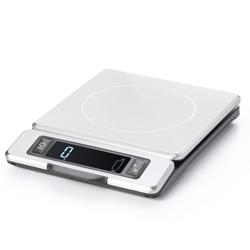
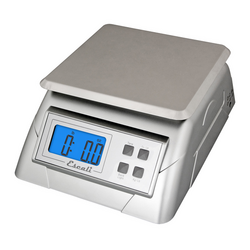
A sleek stainless steel digital scale with tare function and easy-to-read backlit display for precise measuring.
-
(152)
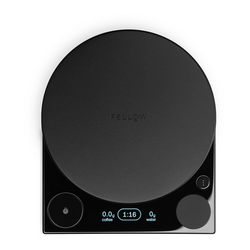
A precision scale with Brew Assist™ mode and OLED screen for perfectly proportioned pour-over coffee.
-
(32)
A compact, black stainless steel scale with a pull-out display for accurate and precise measurements.
-
(16)
A black stainless steel digital scale with an extra-large, backlit display for precise measurements.
-
(14)
A slim digital kitchen scale with an oversized display and metallic-colored glass platform in dark blue.
-
(7)
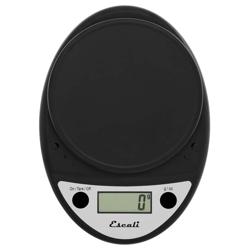
A black digital kitchen scale that accurately measures food and ingredients with precise weight calculations.
-
(1)
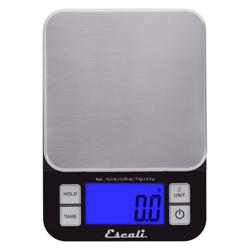
A highly accurate digital scale with a durable stainless steel platform and easy-to-read backlit display.
-
A sleek black glass digital scale offering precise measurements, multiple units, and an easy-to-clean surface.
-
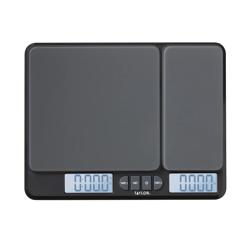
A black glass scale with dual platforms for precise, simultaneous weighing and easy-to-read backlit displays.
-
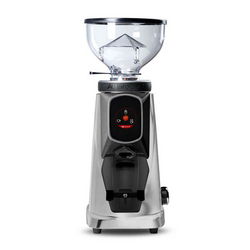
A bright silver, stainless steel grinder offering professional-grade precision and real-time weighing for perfect coffee doses.
-
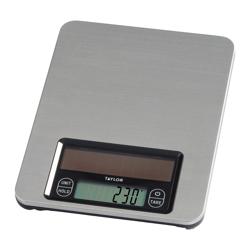
A gray stainless steel kitchen scale powered by light energy, featuring an easy-to-read digital display.
-
A precise and durable kitchen scale with a large capacity of up to 22 pounds.
Calibrated Scales
Calibrated scales are essential tools for achieving precision in the kitchen, whether you're measuring ingredients for a delicate soufflé or portioning out coffee beans for your morning brew. Designed to provide accurate measurements every time, these scales help you maintain consistency in your culinary creations. With a focus on reliability and ease of use, calibrated scales ensure that every gram or ounce counts, making them a must-have for both novice cooks and seasoned chefs alike. Explore our selection to find the perfect scale that meets your cooking needs and enhances your kitchen experience.

Calibrated Scales

-
"I've tried three scales for pour overs , and this one is the best by far"
-
"Works well, features are great including the hold option for oversized items. Recommend this scale"
-
"It works great best item I have brought this year I was tried of using the hand sifters"
-
"Works well, features are great including the hold option for oversized items. Recommend this scale"
-
"Love this compact scale! Very convenient and efficient design"