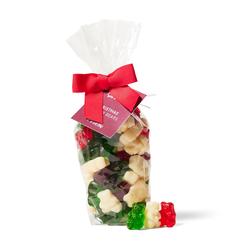
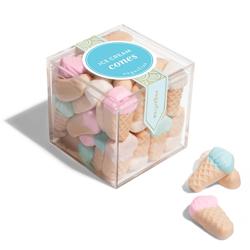
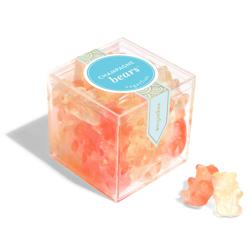
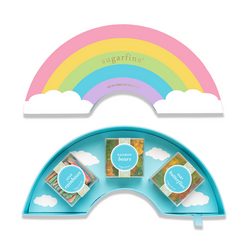
Candy for a dessert table works best when its colors suit the celebration and its flavors and textures give guests a few distinct choices. About 8 ounces of candy per guest is a useful planning starting point when candy is the main dessert, while a table that also includes cake or pastries generally needs less. Chocolate, chewy candy and crisp sweets bring different kinds of sweetness to the spread, so a varied assortment can feel more inviting than several choices with nearly identical flavors. At a wedding, a restrained palette can sit comfortably beside flowers and place settings; at a birthday or graduation, brighter colors can carry the celebration across the table. Color matters most when it supports the food rather than becoming the only reason to choose it. Candy that looks beautiful but does not match the guests’ tastes is less likely to be enjoyed. Familiar flavors provide an easy starting point, with a contrasting texture or a more intense cocoa note adding interest for guests who like something different. Bite-size portions fit naturally into a dessert spread because guests can taste a little of several things without committing to another full serving. Individually wrapped candy makes it easy to take a piece back to a seat, while unwrapped candy can create a continuous sweep of color in a serving bowl. Both can work in the same arrangement when the serving method is clear. A few repeated colors across wrappers, bowls and favor packaging can make the display feel connected without requiring every sweet to be the same shade. The most useful candy choices also fit the way the event unfolds: a seated meal, a casual open house and a reception with guests moving between conversations all call for slightly different portions and packaging. The result should feel generous and easy to enjoy, not so carefully arranged that guests hesitate to take a piece.
Ingredients, freshness and ease of serving matter just as much as appearance. Cocoa, dairy, nuts, fruit flavorings and sweeteners all influence how candy tastes and whether it suits the people gathering around the table. Chocolate with a higher cocoa content generally brings a more pronounced cocoa flavor, while milk chocolate tends to have a creamier, sweeter profile. Fruit-forward candy can offer a tart contrast, and a crisp texture provides a different experience from something soft and chewy. Dietary needs deserve attention before candy is transferred out of its original packaging. Ingredient lists and allergen statements are more reliable than appearance, color or a general flavor description, especially when guests avoid dairy, peanuts, tree nuts or gluten. Keeping the original labels accessible makes it easier to answer questions accurately. Separate serving utensils can help limit mixing between bowls, but a shared dessert table should not be assumed safe for someone with a serious food allergy. Packaging also plays a practical role in freshness and handling. Individual wrappers reduce direct contact with the candy, while sealed outer packaging helps protect it before the celebration. Chocolate is sensitive to heat, moisture and strong odors, and chewy or crisp candies can change texture when left exposed. Package directions and best-by dates provide the clearest reference for storage and timing. For serving, smooth, food-safe glass or glazed ceramic containers offer a clean backdrop without competing with the sweets. Containers should be clean and completely dry before filling, with enough room for guests to use a scoop or tongs comfortably. A narrow opening may look attractive but be awkward for larger pieces or wrapped portions. Shallow dishes make small amounts easier to reach, while sturdy, broad-based bowls are less likely to tip when the table gets busy. These practical details help preserve the candy’s appearance and make the display comfortable to use from the first guest to the last.
Portion size and packaging connect the dessert table to the rest of the celebration. A candy-centered reception calls for a different amount than a dinner where guests have already enjoyed a full dessert, and take-home portions should be included in the total rather than treated as an afterthought. Piece size matters alongside weight: a few larger pieces can fill a small bag quickly, while smaller sweets give guests more opportunities to sample different flavors. Serving containers do not need to be filled to the rim to look welcoming. A smaller amount presented neatly, with additional candy kept sealed until needed, can be easier to manage than a large quantity exposed throughout the event. For take-home treats,
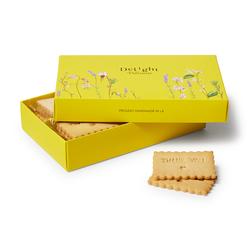
Party Candy Favors can extend the color palette and give guests a small reminder of the gathering. Food-safe bags or lined paperboard boxes should suit the candy’s size, shape and surface. Delicate coatings benefit from packaging that limits rubbing, while softer pieces need enough structure to avoid being crushed among other belongings. Closures should stay secure during the trip home without making the treat difficult to open. A simple tag can identify the flavor or connect the favor to a place setting, though decorative labeling should never replace ingredient information when it is needed. For hosts, candy can also be a thoughtful contribution to a shared dessert table, particularly when it arrives sealed with its original labeling and clear storage directions. It suits celebrations where a small treat feels more appropriate than another full-size dessert and gives guests something they can enjoy at their own pace. Any leftovers are easier to keep when different candy types can return to separate, well-sealed containers according to their package instructions. Thoughtful choices about flavor, portions and packaging make candy more than decoration: they make it a part of the celebration that guests can comfortably serve, share and enjoy.