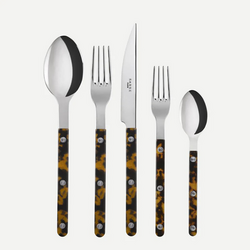
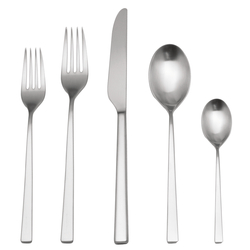
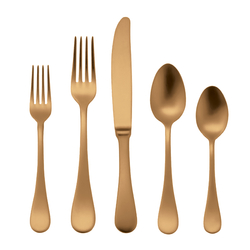
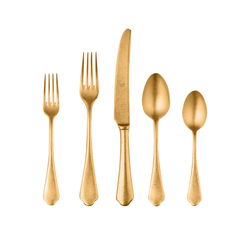
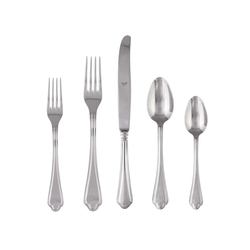
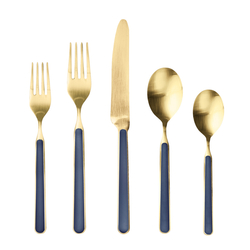
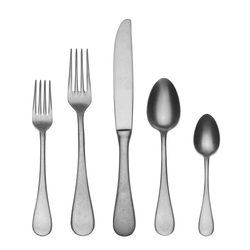
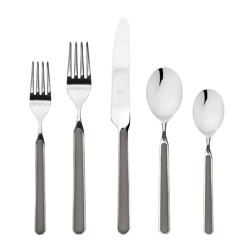
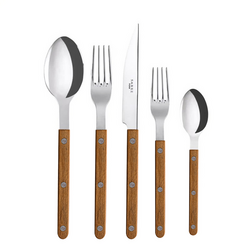
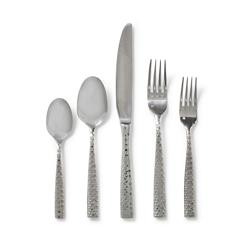
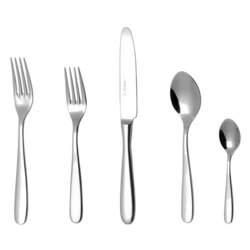
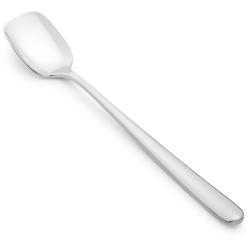
Casual dining silverware is everyday flatware designed to balance durability, comfortable handling and a relaxed table style. Stainless steel is a practical choice, with common grades such as 18/10 and 18/0 offering different balances of corrosion resistance and cost. The best fit for your table depends on how the utensils feel in your hand, how many place settings you need and how much care the finish requires. Although “silverware” is often used as a general term for eating utensils, everyday pieces are usually stainless steel rather than sterling silver, making them well suited to repeated use without routine silver polishing. These are the forks, knives and spoons that move from a quick breakfast to a family dinner, then come out again when a neighbor stays for another helping. That everyday role makes comfort just as important as appearance. A handle should feel secure without demanding a tight grip, and its weight should suit the people using it. Some diners enjoy a substantial piece that rests firmly in the hand; others prefer lighter utensils that are easy to lift and maneuver. Smooth edges, balanced proportions and fork tines that pick up food comfortably are details worth considering before choosing a pattern. The shape of a spoon’s bowl matters, too, especially when breakfast often means oatmeal or dinner starts with soup. For households with children learning to use adult utensils or anyone who finds heavy flatware tiring, manageable size and weight can make meals more comfortable. Casual does not have to mean plain or unfinished. A gently curved handle, a clean outline or a subtle texture can bring character to the table without making it feel reserved for company. Think of silverware beside a bowl of pasta on a busy evening: it should be pleasant to use, easy to reach for and just as at home at a fuller table over the weekend.
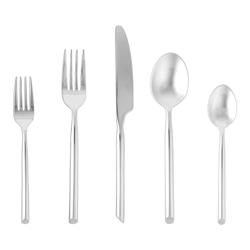
Material and finish help determine how casual dining flatware looks after months of meals and washing. In stainless steel markings, the first number indicates the approximate percentage of chromium and the second indicates nickel. An 18/10 alloy contains approximately 18% chromium and 10% nickel, while 18/0 contains approximately 18% chromium with no added nickel. Chromium contributes to corrosion resistance, and nickel further improves resistance to corrosion. Both grades can be suitable for everyday dining, though construction, finishing and care also affect performance. An alloy designation alone does not tell you how sturdy or comfortable a piece will be, and knives may use a different steel formulation to support cutting performance. For appearance, a mirror finish offers a bright, reflective look that can dress up an otherwise simple setting. A brushed or satin finish has a softer sheen and may make fingerprints and fine wear marks less noticeable, though no finish is scratchproof. Colored finishes and decorative handles bring another layer of personality, but their care requirements deserve a closer look. Check the manufacturer’s directions rather than assuming every piece can go into the dishwasher. Even dishwasher-safe stainless steel benefits from having food residue rinsed away when washing will be delayed, especially after contact with salty or acidic foods. Avoid prolonged soaking and dry promptly when practical to help reduce water spots. Beyond material, compare the contents of each set rather than relying on its total piece count. A five-piece place setting typically includes a dinner fork, salad fork, dinner knife, soup spoon and teaspoon, but configurations vary. Serving utensils may count toward a set’s total without adding another complete place setting. Budget comparisons are more useful when you look at the cost per complete setting alongside the material, finish and included pieces. A larger set is not automatically the better value if it includes utensils you rarely use, while a smaller set may leave you short between dishwasher loads.
The right amount of everyday silverware depends as much on household habits as on the number of seats at the table. A household of four may appreciate enough settings for more than one meal, especially when lunch containers leave the house with forks tucked inside or teaspoons seem to collect beside coffee cups. If friends and family regularly join you, additional settings can make hosting easier without requiring a separate collection for guests. Drawer space matters as well: long handles and broad spoon bowls need room in an organizer, and bulky designs may not stack as neatly as slimmer shapes. For a coordinated table, consider the scale of your flatware alongside your
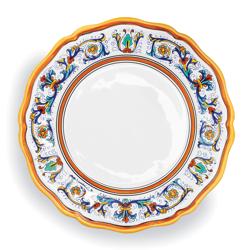
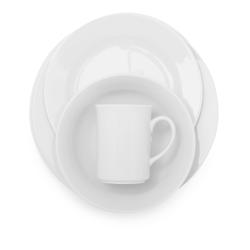
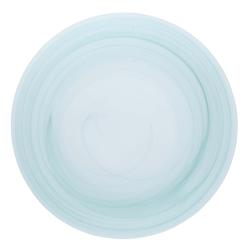
Casual Dining Plates. Substantial dinnerware can sit comfortably with weightier utensils, while lighter silhouettes can complement smaller plates or a less crowded setting. These are useful starting points, not rules; familiar combinations often feel more welcoming than a perfectly matched table. Classic stainless steel works easily with patterned dishes, clear glasses and woven napkins, giving you room to change linens or serving pieces without replacing your flatware. During the cooler months, that versatility carries from a quiet bowl of soup to a shared roast dinner with extra chairs pulled close. A relaxed setting generally needs only the utensils the meal calls for, leaving space for bread, serving bowls and conversation. Everyday flatware also makes a thoughtful gift for someone furnishing a first apartment, setting up a shared home or replacing an assortment gathered over many years. For a wedding or housewarming gift, a versatile pattern and enough complete settings for the recipient’s household are often more useful than an elaborate design chosen only for special occasions. Consider their routine, available storage and willingness to hand-wash before selecting a finish. The most satisfying choice is one that fits naturally into daily life: comfortable through a leisurely dinner, durable enough for frequent use and easy to pair with the dishes already in the cupboard. Good casual silverware earns its place through all those ordinary meals, not just the ones planned for guests.