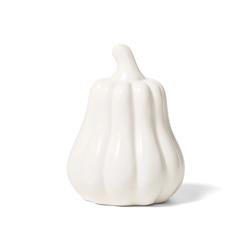
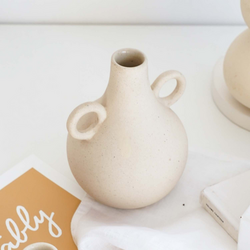
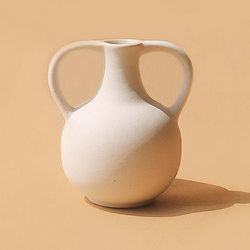
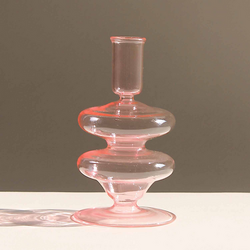
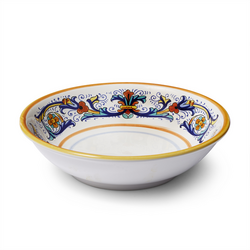
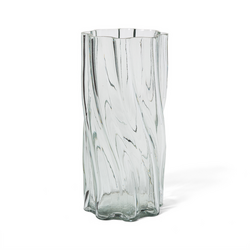
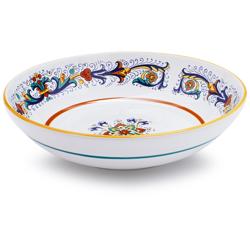
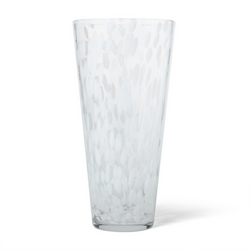
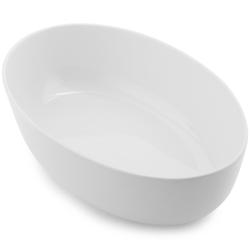
Ceramic centerpieces bring color, texture and an inviting sense of character to a dining table, console or entryway. Made from fired clay and often finished with a smooth, lustrous or softly textured glaze, they can serve as flower vases, candle holders or standalone decorative pieces. A ceramic vase filled with fresh flowers creates an easy focal point for a dinner table, while branches, dried grasses or leafy greenery offer a more relaxed arrangement that can transition naturally from the warmer days of late summer into the cooler months. A sculptural vessel or decorative ceramic object can make the same impression without any additional embellishment, especially when placed on a table layered with linens, serving pieces and glassware. Because ceramic is available in such a wide range of colors, silhouettes and finishes, these centerpieces can complement many interiors—from a simple farmhouse setting to a more polished dining room. Look for pieces with details that feel meaningful to your space, such as hand-finished variations, raised patterns, carved surfaces or an expressive shape. A centerpiece does not need to match every element on the table; coordinating a glaze with nearby napkins, dinnerware or flowers can create a collected look without making the setting feel overly planned. For a natural arrangement, earthy neutrals pair beautifully with greenery and wood, while saturated hues can brighten a table when flowers are sparse. White, cream and pale blue ceramics reflect light and keep a gathering feeling airy, whereas deep green, rust, brown or charcoal tones add warmth as the days grow shorter.
The best ceramic centerpiece is sized with both the table and the occasion in mind. On a long dining table, a series of smaller vessels can guide the eye down the length of the setting and leave plenty of room for serving dishes. A single substantial piece works well on a round table, coffee table or sideboard, provided it has enough visual weight to feel intentional without crowding the surface. Height matters, too. Arrangements should generally allow guests to see across the table and speak comfortably, particularly during shared meals. If a vase is tall, choose slender stems or place it where it will not interrupt conversation; low bowls and rounded vessels are especially useful for intimate dinners. Check the opening before buying if you plan to use fresh flowers, since a narrow neck supports a few stems while a wider opening accommodates a fuller bouquet. A stable base is helpful for busy households and entertaining spaces, and a heavier piece may be preferable where it will be moved often or used outdoors in a protected area. For candle arrangements, confirm that the ceramic design is intended to hold candles and use the appropriate size so the flame remains secure. Keep burning candles on a heat-resistant, level surface, away from flowers, greenery, linens and other flammable materials. Ceramic centerpieces also make thoughtful gifts for hosts, newlyweds, new homeowners or anyone who enjoys setting a beautiful table. A versatile vessel can hold flowers for a celebratory dinner, display seasonal branches during the cooler months or stand on its own between gatherings. For a gift, a shape and color that work with a variety of décor are often the most useful, especially when the recipient’s style is not well known. Pairing a centerpiece with flowers from a local market, a bundle of dried stems or a handwritten note can make the gesture feel personal without requiring a specific event.
When arranging ceramic centerpieces, start with the mood you want to create and let the vessel do some of the work. A few stems placed loosely in a glazed vase can feel fresh and unfussy, while a dense arrangement creates a more formal focal point for a special meal. Try combining different ceramic forms at varying heights on a sideboard or buffet, keeping the colors related so the display feels cohesive. A shallow ceramic bowl can hold seasonal fruit, pinecones or decorative objects, while a lidded vessel can add shape and interest to an otherwise open table. For celebrations, ceramic candle holders can cast a gentle glow across dinnerware and glassware, creating warmth without taking attention away from the food or conversation. During late summer, bright flowers and leafy branches bring an outdoor feeling inside; as the weather cools, dried botanicals, bare branches and richly colored blooms can give the same arrangement a deeper, more grounded look. Place ceramic pieces where their texture can be appreciated—against a simple runner, on an open shelf or at the center of a table with space around them. To care for them, follow the maker’s instructions, wipe surfaces with a soft damp cloth and avoid sudden temperature changes that can stress fired clay. If a piece holds water, empty it regularly and dry the interior to help prevent residue or lingering odors. Use felt pads beneath centerpieces on wood, glass or painted surfaces, and lift rather than slide them when moving them. For more ways to bring structure and personality to a dining space, explore
Table Centerpieces, where ceramic vessels and decorative accents can be considered alongside other styles for everyday meals, relaxed entertaining and memorable gatherings.