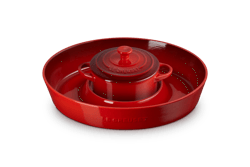
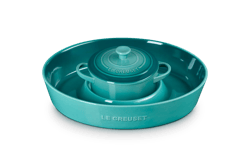
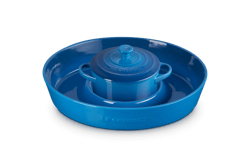
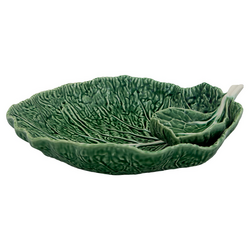
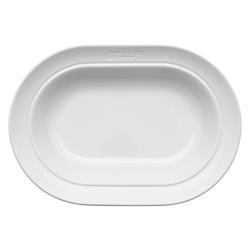
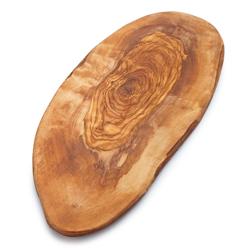
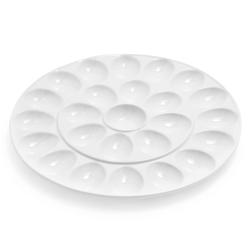
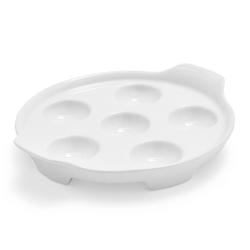
Ceramic chip and dip servers bring the best parts of a snack spread together: something crisp, something creamy and a place for each. A defined space for dip keeps salsa from running beneath tortilla chips and gives hummus, bean dip or a whipped cheese spread a natural spot on the table. The appeal is practical as much as visual. Instead of balancing a small bowl on a crowded plate, a chip and dip server gives the pairing a purposeful home, whether it is headed to the coffee table for a movie or taking its place among appetizers before dinner. One-piece designs keep the dip well connected to the surrounding platter, while styles with a separate bowl offer flexibility for refilling, passing and cleanup. A removable bowl can travel to the kitchen for another spoonful of guacamole without taking the chips away from the conversation. An integrated well, on the other hand, means there is one less loose piece to carry and keep track of. Proportion matters more than sheer size: a generous chip area works well for bulky tortilla chips or pita wedges, while a deeper dip bowl suits a spread that tends to disappear quickly. For a smaller gathering, a compact server can hold enough for a few people without taking over the table. These pieces also lend themselves to combinations beyond the familiar chips and salsa. Think cucumber spears and herbed yogurt, crisp crackers and pimento cheese or apple slices with a peanut butter dip. Keeping wet and dry foods in their own spaces helps preserve contrasting textures, though especially juicy ingredients still benefit from draining before serving. For a casual lunch, a shared appetizer or an afternoon snack, the format makes a simple combination feel complete without requiring an elaborate arrangement. A little open space around the food makes it easier to pick up a chip without brushing against everything beside it.
The ceramic body, glazed finish and overall shape all influence how a server feels in everyday use. Ceramic is a broad category that includes stoneware, porcelain and earthenware, and the finished piece’s weight and strength depend on its composition, firing and construction. Stoneware often has a substantial feel, while porcelain can offer a finer profile; neither description alone tells the whole story about durability. Glazed earthenware may bring expressive color and texture, but care requirements still depend on the individual piece. A smooth, intact food-safe glaze provides a surface that is easy to wipe clean, especially helpful after serving a thick cheese dip or a spoonful of richly colored salsa. Raised patterns, fluted edges and textured details add character, although a simpler interior generally leaves fewer places for food to collect. Color changes the presentation, too. A white or cream surface lets green guacamole, red salsa and golden chips stand out, while deeper hues can provide contrast for pale crackers and creamy dips. The silhouette deserves equal attention. A broad, shallow rim gives fingers room to reach for snacks, and a deeper outer section can help contain round crackers or vegetable sticks. A low dip well is easy to reach across, while a taller bowl can provide more capacity within a smaller footprint. On a dining table, there should still be room for plates, glasses and serving utensils; on a coffee table, a stable base and a manageable size are especially useful. The server also needs to fit its less visible destinations, including the cabinet shelf and sink. Ceramic has a reassuring weight, but a large platter becomes heavier once filled. A comfortable grip at the edges makes carrying it from counter to table easier. Like other ceramic tableware, these servers can chip if knocked against a hard countertop or another dish, so thoughtful handling matters even when a piece feels sturdy.
Easy care helps a serving piece earn a regular place in the rotation rather than waiting for a special occasion. Dishwasher, microwave and oven suitability varies, so the manufacturer’s instructions should determine how a ceramic chip and dip server is cleaned or used with heated food. A ceramic appearance does not, by itself, mean a piece belongs in the oven, and decorative finishes may have additional restrictions. For hand-washing, mild dish soap and a soft sponge are a sensible starting point when consistent with the care directions. Letting stuck-on dip soften before washing reduces the need for vigorous scrubbing, while abrasive pads can scratch or dull some finishes. Sudden temperature changes can also damage ceramic, making a direct move from a hot oven to a cold surface a poor choice unless the manufacturer expressly allows it. After washing, thorough drying is helpful around unglazed foot rings and recessed areas where moisture can linger. Separate bowls should be stored securely, and a soft layer between stacked pieces can reduce contact between a rough base and the glaze below. That modest attention supports years of everyday serving, from snacks for two to a table shared with friends. For a housewarming, wedding or birthday gift, a chip and dip server offers a useful balance of personality and practicality. A neutral finish can sit comfortably alongside an existing dinnerware collection, while a distinctive color or pattern may suit someone who enjoys mixing serving pieces. The best fit reflects how the recipient entertains, including the space they have for serving and storage. Coordinating with
Ceramic Serving Dishes can carry a consistent color or finish across the table without requiring every piece to match. A platter for sandwiches or a bowl for salad can complement the snack spread, leaving the chip and dip server to do what it does especially well: keep a favorite pairing together, easy to reach and ready to share.