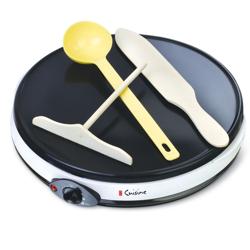
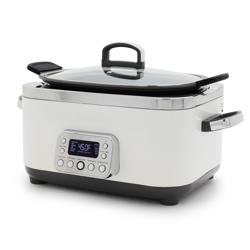
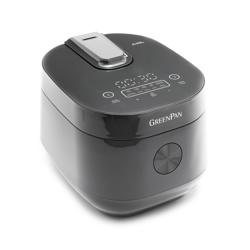
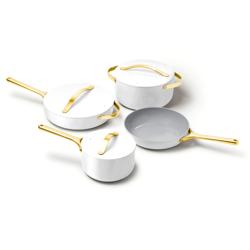
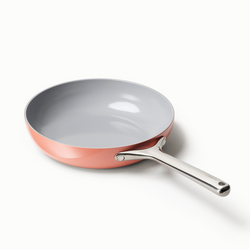
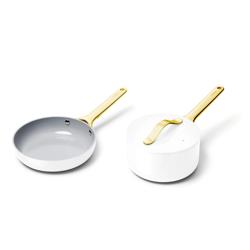
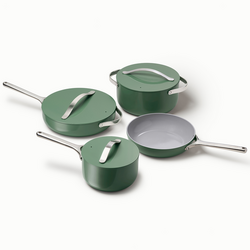
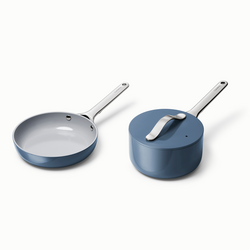
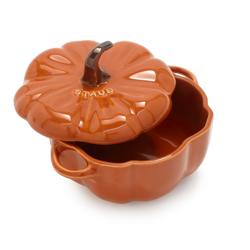
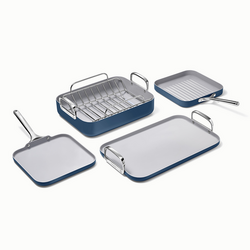
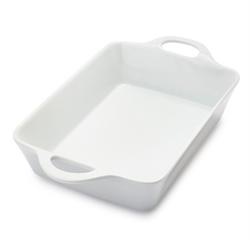
Ceramic kitchen appliances bring a smooth cooking surface, approachable design and practical everyday performance to the kitchen. This category can include countertop electric appliances with ceramic cooking plates or interiors, as well as appliances finished with ceramic nonstick coatings that help food release easily with less oil or butter. Depending on the construction, ceramic may refer to a mineral-based coating applied over a metal body or to a solid ceramic cooking surface. That distinction matters when you are comparing options: coated appliances generally heat quickly because of their metal core, while solid ceramic pieces have a different feel, weight and heat response. In either case, the surface is designed to make cooking and cleanup more convenient. A ceramic electric skillet can handle breakfast potatoes, grilled sandwiches or a family-size batch of vegetables without taking up a burner. A ceramic griddle gives pancakes, eggs and toasted quesadillas plenty of room to cook side by side. A compact ceramic hot pot or multicooker can be especially useful for small kitchens, dorm rooms, offices or entertaining spaces where an extra cooking surface helps keep the main stovetop free. During the warmer months, countertop appliances can also help keep heat contained instead of turning on the oven, while during cooler months they are handy for simmering, sautéing and warming food within easy reach. Their clean lines and broad range of finishes make them easy to coordinate with a light, bright kitchen—pair them with
White Kitchen Appliances for a calm, cohesive countertop—or use a more colorful finish to add personality without a full kitchen redesign.
When choosing ceramic kitchen appliances, begin with the way you cook most often. Consider the appliance’s cooking area, capacity and temperature range, especially if you regularly prepare food for several people. A generous surface is helpful for family breakfasts and weeknight dinners, while a smaller footprint may be the better fit for an apartment, guest suite or secondary prep area. Look for adjustable temperature controls that respond smoothly rather than cycling too sharply between hot and cool. Even heating is important for foods such as pancakes, seared vegetables and grilled cheese, which can show every difference between a hot spot and a cooler edge. A glass lid can make it easier to monitor simmering food without releasing heat, while cool-touch handles, nonslip feet and a removable temperature probe can make countertop cooking feel more comfortable and controlled. If a ceramic appliance is marketed as nonstick or free from PTFE, PFOA or PFAS, read the manufacturer’s specifications to confirm exactly what the surface contains and how it should be used. “Ceramic” does not always mean the entire appliance is made of ceramic, and care instructions can vary from one construction to another. Also check the wattage, cord length, storage needs and whether the cooking surface or accessories are removable. These details matter in real kitchens: an appliance that fits neatly in a cabinet, has a cord that reaches the outlet and wipes clean without awkward corners is more likely to become part of your regular routine. Ceramic appliances can make thoughtful gifts for first-home cooks, students, newlyweds, frequent hosts and anyone building a kitchen from the ground up. They are useful without requiring a specialized cooking style, and a countertop format gives the recipient another way to prepare breakfast, lunch or dinner even when space is limited.
Ceramic surfaces perform best with a little thoughtful care. Use low to medium heat for most cooking, allowing the appliance to warm gradually instead of turning the control to its highest setting immediately. Excessive heat can shorten the life of a ceramic nonstick surface and may cause food to brown too quickly before the center is ready. Wood, silicone or other soft utensils are a smart choice because metal tools can scratch or mark coated cooking surfaces. Avoid cutting directly on the surface and do not move a hot appliance onto a cold, wet counter unless the instructions specifically allow it. For cleanup, let the appliance cool before washing, then wipe away crumbs and residue with a soft sponge and mild dish soap. Many appliances may be labeled dishwasher safe, but hand-washing is often the gentler option for preserving the finish, electrical components and accessories over time. Do not use abrasive powders, steel wool or harsh scouring pads, which can dull a smooth surface and make it less easy to clean. Stubborn spots usually loosen with a short soak or a paste of mild baking soda and water rather than vigorous scrubbing. Keep the appliance dry around plugs, controls and electrical connections, and follow the care instructions for removable plates, lids and temperature controls. With the right heat, utensils and cleanup habits, ceramic kitchen appliances can support everything from quick solo meals to relaxed gatherings. Their easy food release, compact convenience and straightforward controls make them a practical choice for cooks who want dependable performance on the countertop and a simpler path from preparation to serving.