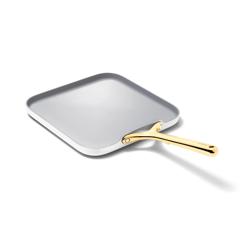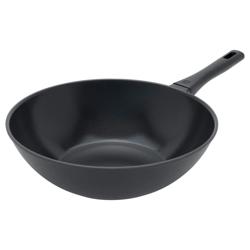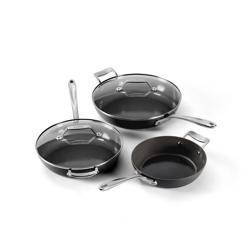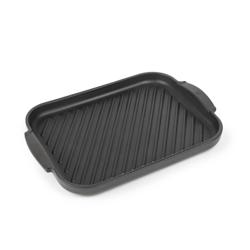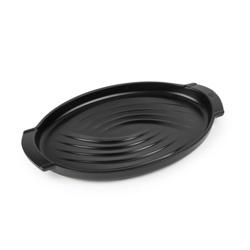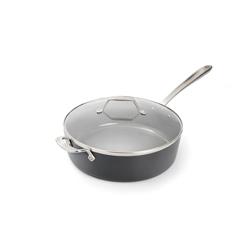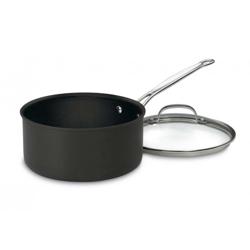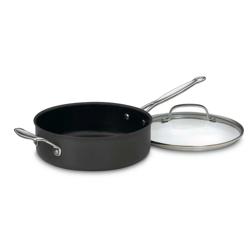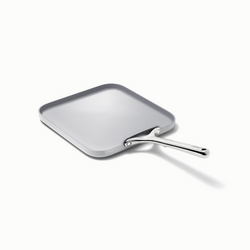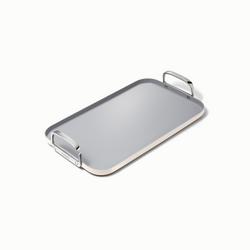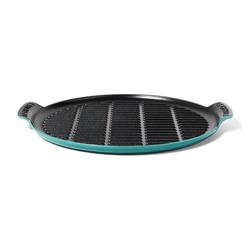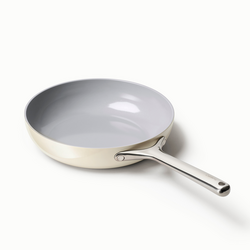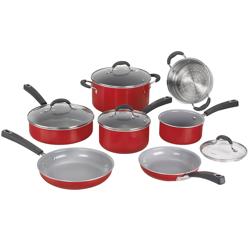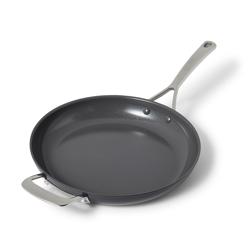
Ceramic pans bring the ease of nonstick cooking to everyday meals, with a smooth, glass-like cooking surface designed to help food release with less oil or butter. Most ceramic nonstick pans use a silica-based coating bonded to a metal body, allowing them to heat quickly while retaining the familiar convenience of nonstick cookware. They are especially useful for foods that tend to cling, such as omelets, fried eggs, crêpes, flaky fish and delicate vegetables. A gentle turn of the spatula can lift an egg in one piece, while a quick wipe often removes the last traces of sauce or sautéed vegetables. Ceramic pans are also a practical choice for cooks who prefer cookware made without PFAS-based nonstick coatings; check the individual product details for specific material and manufacturing information. Because ceramic surfaces conduct heat efficiently, they generally perform best over low to medium heat. High temperatures can discolor the exterior, scorch cooking oils and cause the nonstick release to fade sooner. Start with a lower setting than you might use with stainless steel, give the pan time to warm and add a little oil once the surface is hot. This approach works well for weeknight cooking, from sautéing garlic and greens to browning chicken cutlets before finishing them in a sauce. During warmer weather, a ceramic skillet can handle quick meals such as blistered cherry tomatoes, grilled vegetables prepared indoors and simple fish with lemon. As the weather turns cooler, the same pan is well suited to pancakes on a leisurely morning, toasted sandwiches at lunch or the first layer of a comforting skillet supper.
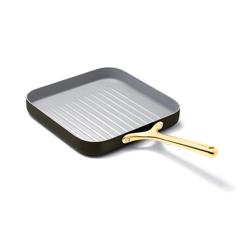
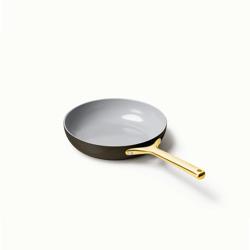
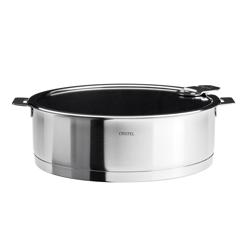
When choosing among ceramic pans, begin with the shape and size that match the way you cook. A smaller skillet is handy for one or two eggs, reheating leftovers or preparing a single serving, while a larger fry pan gives vegetables room to brown instead of steam and accommodates multiple portions of fish, chicken or meatless proteins. A sauté pan with taller sides is useful for simmering sauces, wilting a large handful of spinach and cooking dishes that move from stovetop to table. Consider the pan’s weight as well: a sturdy base can improve stability and heat distribution, while a lighter pan may be easier to lift when tossing vegetables or transferring food to a serving bowl. Look for an easy-to-grip handle that stays comfortable during longer cooking sessions and confirm whether the pan is compatible with your stovetop. Gas and electric ranges work with most cookware, but induction requires a magnetic base, so induction compatibility should be listed clearly in the specifications. If you like to start a dish on the stovetop and finish it in the oven, review the oven-safe temperature and whether the lid and handle share that rating. A pan with a generous cooking surface can replace several pieces in a small kitchen, making it a thoughtful gift for someone setting up a first apartment, newly married cooks, college graduates or anyone refreshing a well-used collection. For a present with a polished, coordinated look, explore
Black Ceramic Nonstick Pans, a versatile option that moves easily from everyday breakfasts to dinner served at the table. A ceramic pan can also make a useful host gift for a friend who enjoys cooking, especially when paired with a wooden or silicone utensil that is gentle on the coating.
Proper care has a direct effect on how long a ceramic pan performs at its best. Use wood, silicone or nylon utensils rather than metal tools, which can mark or scratch the cooking surface. Avoid cutting food directly in the pan and do not stack cookware without protection between the pieces. Even when a pan is labeled dishwasher safe, hand-washing with warm water, mild dish soap and a soft sponge is often the gentlest choice for preserving the finish. Let the pan cool before washing; placing a hot pan under cold water can stress the metal and may contribute to warping over time. Stubborn residue usually loosens after a brief soak, so there is little need for abrasive powders, steel wool or harsh scouring pads. Ceramic nonstick pans are not maintenance-free, and their release properties can gradually change with frequent use, especially when exposed to high heat, cooking sprays that leave a baked-on film or repeated rough cleaning. With moderate temperatures, a small amount of cooking fat and careful storage, many can serve reliably for several years, though the exact lifespan depends on the coating, construction and daily habits. Before buying, compare the pan’s dimensions, base material, handle design, lid options, oven rating and cleaning instructions rather than focusing on the coating alone. The best ceramic pan is one that feels balanced in your hand, fits the foods you prepare most often and makes cleanup less of a chore. From a sunny stack of pancakes during the warmer season to a bubbling skillet of vegetables during cooler months, the right pan earns its place by making ordinary cooking feel simpler and more satisfying.