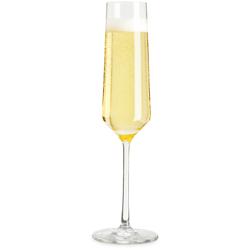
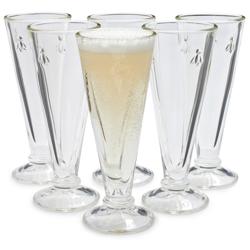
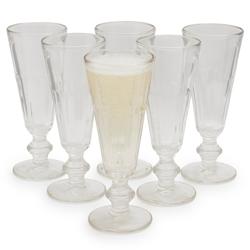
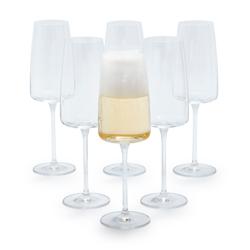
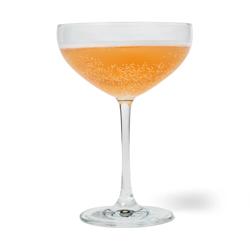
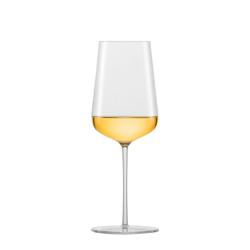
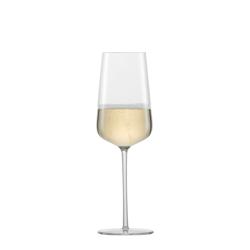
Champagne toasting flutes are tall, narrow glasses designed for serving Champagne and other sparkling drinks at weddings, anniversaries, holiday gatherings and everyday celebrations. Their slender bowls show off rising bubbles, while the relatively small opening helps slow the loss of carbonation compared with a wide, shallow glass. A stem gives you a place to hold the flute without wrapping a warm hand around the bowl, helping a chilled pour stay cool. For a toast, hold the stem, raise the glass and, if glasses touch, make only gentle contact at the bowls rather than striking the delicate rims. The right flute should feel comfortable in your hand, sit securely on the table and suit the way you entertain. A pair can make an anniversary dinner feel distinct from an ordinary evening, while a coordinated set brings a pulled-together look to a table full of guests. Clear, undecorated bowls let the pale gold of a sparkling wine or the blush of a sparkling rosé take center stage. Etched patterns, textured surfaces and decorative stems can bring a more dressed-up feel, especially alongside linen napkins and candlelight. Neither approach needs an elaborate setting: two flutes beside a small cheese board can be enough to mark a new home, a retirement or a long-awaited reunion. During the cooler months, their light-catching shapes add brightness to tables set with richer fabrics and warm colors. Champagne flutes also work for prosecco, cava and nonalcoholic sparkling beverages, so everyone can take part in the same toast. For sparkling cider or another sweeter drink, a modest pour leaves room to enjoy the bubbles without committing to a large serving. Whether the occasion calls for a quiet congratulations or a roomful of raised glasses, toasting flutes give that shared moment a familiar, purposeful shape.
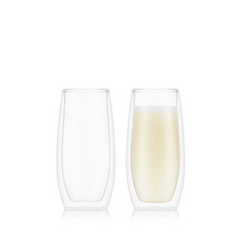
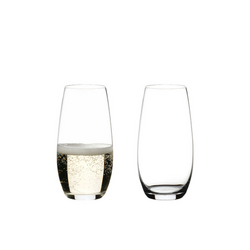
Material, shape and proportion all influence how champagne toasting flutes look and feel in use. Traditional glass can offer a pleasing balance of clarity and practicality, while crystal is often chosen for its brilliance and the possibility of finer rims and more delicate profiles. Lead-free crystal provides another option for those who want crystal stemware without lead in the material. These categories alone do not determine strength: the glass formulation, construction and thickness matter, and no fine stemware is immune to chips or breakage. Mouthblown glasses may have subtle variations that give each piece its own character, while machine-made glasses often offer close consistency across a larger table setting. A thin rim can feel light against the lips; a slightly sturdier profile may better suit frequent gatherings where glasses move between the dining table, kitchen counter and sink. Bowl shape matters, too. A straight, narrow flute emphasizes the upward movement of bubbles, while a gently rounded, tulip-shaped bowl leaves more space for aromas to gather before narrowing at the opening. A flute is especially well suited to the visual pleasure and manageable serving size of a celebratory toast, though a wider wine glass may be preferable when exploring the aromas of a complex sparkling wine. Beyond the bowl, consider the balance between the stem and base. A graceful, tall stem should still feel easy to lift, and a stable base is useful on a busy dinner table. Stemless shapes offer a lower profile, although holding the bowl can warm the drink more quickly. Overall height deserves attention if glasses need to fit beneath a cabinet shelf or inside a dishwasher rack. Capacity is worth checking separately from appearance, since a tall flute is not necessarily a large one. Leave space above the pour so guests can comfortably carry and raise their glasses. For another look at shapes and decorative details that complement a celebratory table, explore
Beautiful Champagne Flutes with the rest of your dinnerware and serving pieces in mind.
The best fit for your home also depends on how often the glasses will come out and how you prefer to care for them. Champagne toasting flutes used for an annual anniversary dinner may earn a dedicated place in a cabinet, while a set used for regular entertaining needs to be easy to reach, clean and put away. For a household that hosts frequently, think about enough glasses for the usual guest list, with a few extras to accommodate an unexpected guest or a glass set aside during the evening. For gifting, a pair of flutes is a thoughtful choice for newlyweds, an engaged couple or partners celebrating a milestone anniversary. A larger set can suit a housewarming gift or someone who enjoys hosting family dinners. Consider the recipient’s habits as much as the occasion: simple, versatile stemware may see more use in a relaxed home, while decorative glasses can appeal to someone who enjoys setting a formal table. Care requirements should support those habits rather than become a surprise afterward. Always follow the manufacturer’s instructions, especially for crystal, colored finishes or metallic details. Dishwasher-safe flutes still need adequate clearance so the bowls and stems do not knock against neighboring dishes or the rack during a cycle. For hand-washing, use warm water, mild detergent and a soft cloth or nonabrasive cleaning tool that reaches inside the narrow bowl without force. Support the bowl as you clean it rather than twisting the bowl and base in opposite directions, which can strain the stem. Rinse thoroughly to remove detergent residue and dry gently with a lint-free cloth to keep fingerprints and water spots from distracting from the glass. Store flutes upright with room between them instead of stacking them or letting their rims rub together. Before serving, check for chips or cracks and set damaged glasses aside. With thoughtful handling, well-chosen champagne flutes can become a familiar part of celebrations, ready for the next shared toast without needing a formal occasion to justify their place at the table.