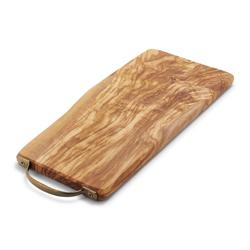
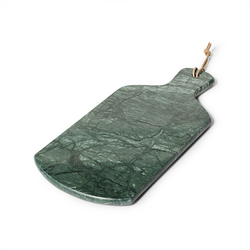
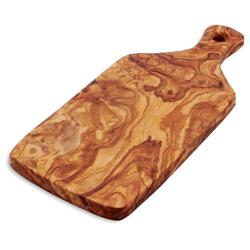
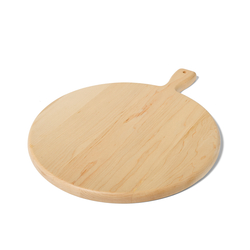
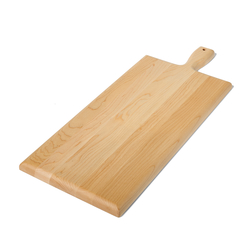
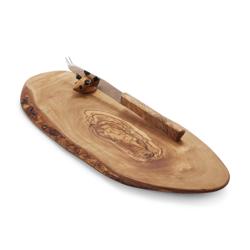
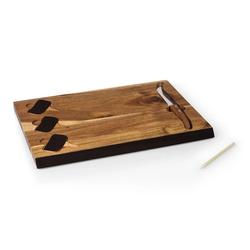
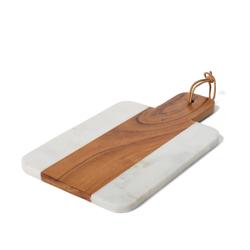
A cheese paddle is a flat serving board with an integrated handle, designed for presenting cheeses, charcuterie, fruit and other small bites. Its paddle shape gives you a place to arrange food and a convenient grip for moving the board from the kitchen to the table. Some cheese paddles also work as cutting surfaces, depending on their material and the manufacturer’s care instructions. For everyday use, a smaller paddle can turn a wedge of cheddar, a sliced apple and a handful of crackers into an inviting afternoon snack. A larger surface leaves room for several cheeses, folded slices of cured meat and small bowls of olives or preserves. The right size depends less on how much food you can pile onto it than on how you plan to serve. A board for two should fit comfortably between plates without crowding the table, while one intended for a gathering needs enough usable space for guests to cut a piece of cheese without knocking into the accompaniments. Pay attention to the serving area rather than the overall length, since a long handle can make a paddle look roomier than it is. Narrow shapes suit a kitchen counter or the center of a small dining table; broader shapes give soft cheeses and separate utensils more breathing room. A handle is helpful when carrying a lightly loaded board, but supporting the base with your other hand gives you better control, especially with heavier materials. Look for a comfortable grip, smooth edges and a shape that feels balanced in your hands. A hanging hole can be useful for storage if the paddle is designed for it, although a board that stands neatly in a cabinet may be a better fit for a compact kitchen. Whether you serve a single favorite cheese or a generous spread, the paddle should make the food easy to reach and the table easy to share.
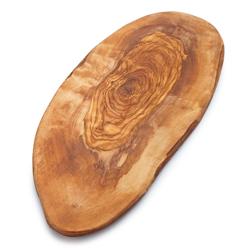
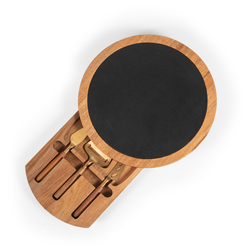
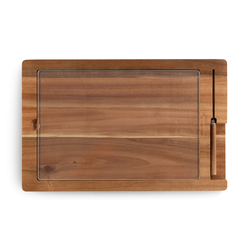
Material affects a cheese paddle’s weight, appearance, durability and suitability for slicing. Wood brings warmth to the table, with grain patterns that make even a simple arrangement feel considered. Hardwoods such as maple, acacia and walnut vary in color and grain, so the best choice may be the one that works naturally with your dinnerware and serving pieces. A smooth wooden surface can be practical for cutting cheese when the board is intended for that purpose, though regular knife use will leave marks over time. Bamboo offers another woodlike option, often with a more uniform pattern; its suitability for repeated cutting depends on the board’s construction and finish. Marble and other stone paddles create a different presentation, with substantial weight and natural variation in color or veining. Their hard surfaces are generally better suited to serving than repeated slicing with a sharp kitchen knife, which can dull against stone. Slate can provide a dark backdrop for pale cheeses, but its edges deserve careful handling to help prevent chips. For any material, check whether the surface is food safe and whether decorative finishes limit how it should be used. A recessed area may help contain accompaniments, while a completely flat board gives you more freedom to arrange different shapes and sizes of cheese. Neither design replaces a dish for honey, oil or loose brine. Small bowls keep wet ingredients separate from crackers and make cleanup more manageable. Consider the paddle’s underside, too: a stable base matters when someone presses down with a cheese knife. Natural grain and veining add character, but rough spots, loose components or significant cracks are not features to overlook. For a relaxed presentation that emphasizes the board itself, explore
Rustic Cheese Board styles. Visible grain and understated shapes pair easily with everyday plates, linen napkins and the serving pieces you already enjoy using.
The best cheese paddle for your home is also one you can comfortably care for between uses. Many wooden boards need hand-washing with mild soap, a prompt rinse and thorough drying rather than a long soak or a trip through the dishwasher. Letting both sides dry helps prevent trapped moisture, and storing the paddle away from prolonged dampness supports its longevity. If the manufacturer recommends conditioning, use a food-safe board oil or conditioner as directed rather than an ordinary cooking oil, which may become rancid. Stone and slate require their own care: acidic foods can stain or etch some surfaces, and abrasive cleaners can damage certain finishes. Following the care instructions is especially important for paddles made from more than one material, since a handle, decorative inset or attached foot may need different treatment from the serving surface. Think about storage before choosing a particularly long or heavy board; something that fits your cabinet and is easy to lift is more likely to become part of everyday meals. For frequent entertaining, enough room for separate cheese knives can be as useful as extra space for food. A soft, spreadable cheese calls for a different utensil than a firm wedge, and keeping them separate helps preserve distinct flavors. Leave a little open space around each cheese so guests can serve themselves without rearranging the board. Crackers can sit in a nearby bowl if the paddle is small, keeping the main surface focused on cheese and a few well-chosen accompaniments. As a gift, a cheese paddle suits a host, a newly married couple or someone settling into a first home, particularly when its size and care needs match the recipient’s habits. Paired with cheese utensils or cloth napkins, it feels useful without requiring a whole new table setting. A thoughtfully chosen paddle can serve just as comfortably at a casual dinner with friends as it does for a quiet snack at the kitchen table.