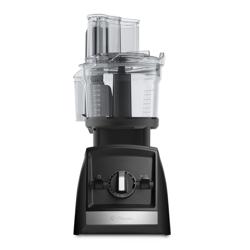
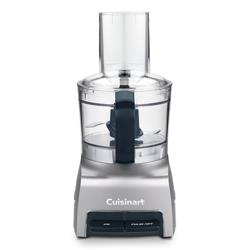
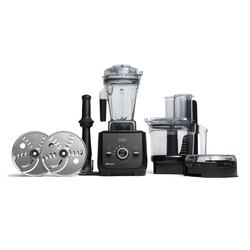
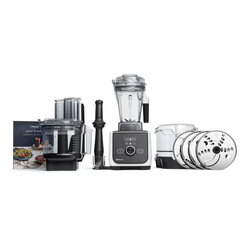
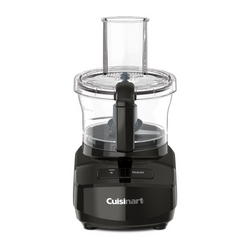
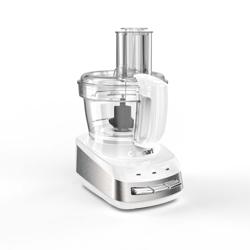
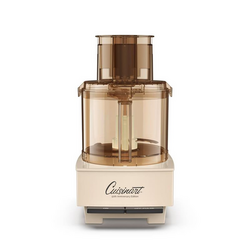
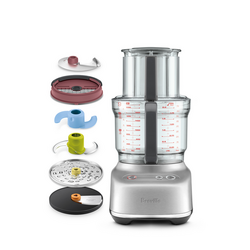
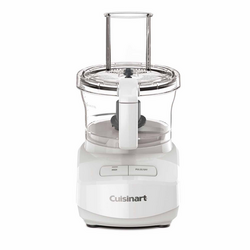
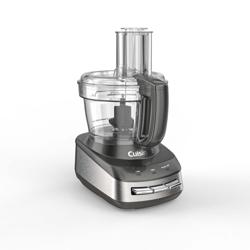
A chef-recommended food processor should bring reliable chopping, consistent slicing and controlled puréeing to the work you do most often. For a home kitchen, the most useful qualities are a motor suited to your recipes, sharp blades, a stable base and a bowl that fits your usual batch size. Professional recommendations can be a helpful starting point, but restaurant equipment and home appliances serve different needs. A machine designed for repeated, high-volume preparation may take up more space and require different care than a home cook needs. For everyday cooking, focus on how a processor handles familiar tasks: chopping onions for a pot of soup, shredding cabbage for slaw or turning chickpeas into a smooth hummus. A responsive pulse control lets you work in short bursts, checking the texture before chopped vegetables become a paste. Continuous processing is useful for smoother mixtures, while slicing and shredding discs, when included, expand the ways the machine can help with meal preparation. Even cuts support more consistent cooking, whether potatoes are headed into a gratin or carrots are being folded into a hearty salad. During the cooler months, a food processor can take some of the repetition out of preparing root vegetables, savory pastry fillings and batches of dips for gatherings. It can also make small finishing touches more approachable, from fresh breadcrumbs for a baked casserole to chopped herbs and nuts for a sauce. The best fit is not necessarily the model with the most attachments or the highest listed wattage. Motor performance also depends on the machine’s design and the demands of the ingredients, so wattage alone does not establish how well a processor will work. Look instead at the tasks it is designed to perform, the controls that help you manage texture and the practical details that make it comfortable to use regularly. Those qualities matter whether dinner is a quick vegetable sauté or a meal with several dishes to prepare.
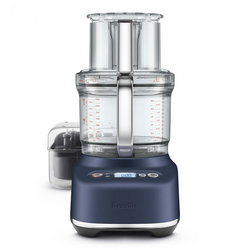
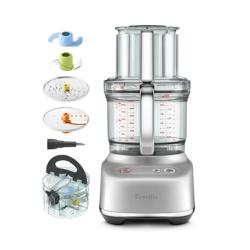
Bowl capacity, countertop fit and attachment design deserve as much attention as power when choosing a food processor. A compact bowl can be convenient for a handful of herbs, a small batch of pesto or ingredients for dinner for one or two. A larger bowl gives vegetables room to move and can reduce the number of batches needed when cooking for a household or preparing food ahead. However, a large stated capacity does not mean the bowl can process that same volume of liquid. Check the manufacturer’s working-capacity limits, especially for sauces and other mixtures that can leak if overfilled. Very small portions may also be harder to process evenly in a large bowl because the blade needs enough ingredients within reach. Some designs address this with an additional smaller work bowl, though the extra piece adds to storage and cleanup. Consider the feed tube as well: a wider opening may accept larger pieces of produce, while a narrower insert can help guide slender carrots or celery toward a slicing disc. Adjustable slicing settings can be useful when switching between thin cucumber slices and thicker potatoes, but every additional accessory should earn its space in the cabinet. For dough, nut butter or other dense mixtures, confirm that the appliance is intended for the task and follow its batch limits and operating instructions. A food processor is also not interchangeable with a blender; it generally offers more flexibility for chopping and slicing, while a blender is often better suited to drinkable mixtures and thoroughly blending liquids. On the counter, measure both the footprint and the height needed to remove the lid or use the feed tube beneath overhead cabinets. Think about weight if the appliance will move between a shelf and the work surface. Handles that feel secure, clearly marked controls and a lid that locks without a struggle can matter more in daily use than an attachment intended for a recipe you rarely make. An
easy-to-use food processor is worth considering when straightforward assembly and simple operation are priorities.
Materials and care help determine how well a food processor fits into a kitchen over time. Stainless steel cutting blades are common because they offer corrosion resistance, but their edges still need careful handling and proper storage. Clear work bowls make it easier to watch ingredients change texture without repeatedly opening the lid. Depending on the material, they may develop scratches or cloudiness with use, so follow the manufacturer’s cleaning directions rather than reaching for an abrasive scrubber. A substantial base and nonslip feet can help keep the machine steady, especially with firmer ingredients, though weight alone is not a guarantee of durability. Secure connections, a well-fitting lid and access to replacement bowls, seals or other components are useful considerations for long-term ownership. Before cleaning, unplug the processor and remove the blade carefully rather than leaving it hidden beneath food or soaking water. Wash removable parts as directed, keep the motor base out of water and check which components are dishwasher safe. Food can collect around the lid, feed tube and seals, making those areas worth a closer look after processing sticky dough or an oily sauce. Let parts dry before reassembling or storing them, and protect cutting edges so nobody reaches into a drawer onto an exposed blade. Good results also come from a few simple habits: cut ingredients into reasonably similar pieces, avoid packing the bowl too tightly and stop to scrape down the sides when the machine is off and the blade has stopped. Always use the supplied food pusher rather than fingers or utensils, and do not process hot ingredients unless the instructions expressly permit it. For an enthusiastic home cook, a frequent host or someone establishing a kitchen, a thoughtfully chosen processor can be a practical gift with lasting usefulness. Match it to the recipient’s space and cooking habits, whether that means preparing vegetables ahead, making pastry or experimenting with homemade spreads. The right machine supports those routines without adding unnecessary complexity, leaving more attention for seasoning, tasting and bringing the meal together.