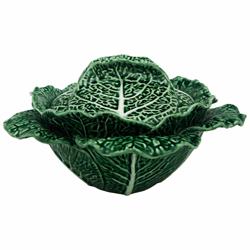
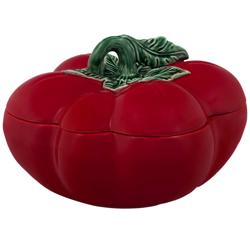
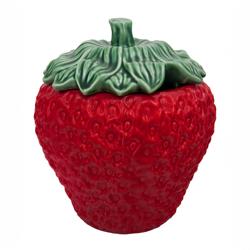
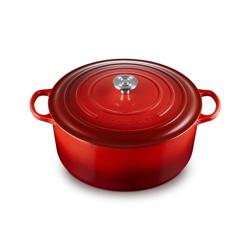
Christmas tureens are lidded serving bowls with festive designs, used to bring soup, stew or chowder to the holiday table. They combine the practical role of a generous serving dish with the decorative presence of a centerpiece, making them a natural fit for Christmas dinner, an open-house buffet or a quiet meal shared with family. Filled with roasted squash soup, creamy potato soup or a hearty vegetable stew, a tureen lets everyone enjoy the same dish without returning to the kitchen for each serving. The lid helps retain warmth between portions, while handles make the vessel easier to position on the table. Traditional holiday details might include evergreen branches, holly, woodland scenes or touches of red and gold. Simpler shapes and subtle decoration can work just as well, especially alongside patterned dinnerware or a colorful tablecloth. Consider how the tureen will sit with the rest of the table rather than matching every element exactly. A softly colored serving bowl can give richly patterned plates some breathing room, while a more decorative design can become the focal point among plain white dishes. Leave enough space around it for a ladle, a small plate to catch drips and the bread basket that tends to travel with a soup course. For a seated meal, a lower profile can help preserve conversation across the table. On a sideboard, a taller silhouette may have more room to stand out without crowding place settings. Christmas soup tureens also suit different styles of entertaining: a formal first course, a casual supper after decorating the tree or a buffet where guests serve themselves. The most useful choice feels at home with the way the meal is served, whether that means carefully portioned bowls before the main course or generous helpings of chowder with crusty bread. A well-chosen tureen adds a sense of occasion without requiring an elaborate menu, and its serving purpose remains just as important as its holiday decoration.
Material, capacity and handling details make a meaningful difference once a Christmas tureen moves from display to dinner service. Porcelain often offers a smooth finish and a refined appearance, while stoneware can bring a substantial feel and a more relaxed look to the table. Both are ceramic materials, and their weight, strength and care requirements depend on the particular construction and finish. Bone china can offer a delicate appearance, but decorative accents may require especially careful handling. No material name alone establishes whether a tureen can go in the oven, microwave or dishwasher; the maker’s instructions should settle those questions. Think of a tureen primarily as a serving vessel, not as a cooking pot, unless it is expressly designed for both uses. Capacity deserves similar attention. Match the stated volume to the number of guests and whether soup is a starter or the main meal, leaving room below the rim so the contents do not spill when the ladle goes in. A smaller vessel can be easier to pass and store, while a larger one may suit a buffet that needs fewer refills. Remember that the weight increases considerably when the bowl is full. Handles should allow a secure grip, and the base should sit steadily on the intended serving surface. A wide opening makes it easier to reach chunky ingredients, while a well-fitting lid helps cover the contents between servings. If a design has a ladle notch, check that the utensil rests comfortably without holding the lid at an awkward angle. A deep ladle suits broth-based soups; a broader bowl can make serving thick stews easier. Set hot serving dishes on an appropriate protective surface and use dry potholders whenever needed. If the care instructions permit prewarming, follow the recommended method rather than exposing ceramic to sudden temperature changes. Keep soup properly hot before transferring it, then serve promptly. A lid slows heat loss, but it does not turn a tureen into a heated food holder for an extended gathering.
Careful cleaning and storage help preserve the details that make holiday serveware worth bringing out year after year. Allow a tureen to cool before washing, and avoid moving it directly from a hot setting into cold water. A soft sponge and mild dish soap are a sensible starting point when hand-washing is recommended. Raised decoration, narrow handles and the underside of the lid deserve a little extra attention, since traces of creamy soup can collect in those areas. Let soaking do the work on dried food when the care instructions allow it, rather than reaching immediately for an abrasive scrubber. Metallic trim, hand-painted details and delicate finishes may rule out certain cleaning methods, even when an otherwise similar ceramic piece is dishwasher safe. Dry the bowl and lid thoroughly before putting them away, and cushion separate pieces so they do not knock against each other in storage. Keep the ladle protected rather than loose inside the bowl, where it can scratch the surface or strike the rim. These small habits matter for a serving piece that may spend part of the year tucked into a cabinet and then return for a full schedule of holiday meals. Christmas tureens also make thoughtful gifts for someone who enjoys hosting, collects festive tableware or has a favorite soup recipe that appears at every family gathering. Consider the recipient’s table size, storage space and preference for dishwasher-safe pieces as carefully as the decoration. A compact household may appreciate a manageable serving bowl more than an oversized centerpiece, while a frequent host may value generous capacity and comfortable handles. For a broader cooking-and-serving gift, explore
Christmas Gift Pans for a complementary direction that supports the preparation side of the meal. A favorite soup recipe or a set of cloth napkins can make the gift feel personal without complicating it. Whether chosen for a new host or a well-established holiday table, a Christmas tureen is most rewarding when it is easy to use, comfortable to care for and ready to take its place at a meal people look forward to sharing.