-
(116)
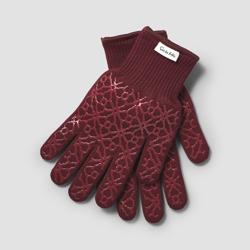
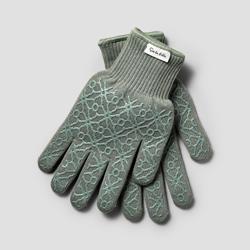
A pair of dark red, aramid-and-cotton oven gloves with silicone nonslip grip for safe, dexterous cooking.
-
(26)
A set of gray silicone mini pinch mitts offering heat resistance up to 500°F.
-
(25)
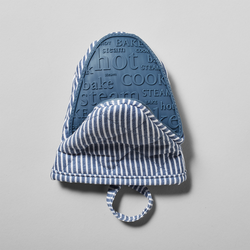
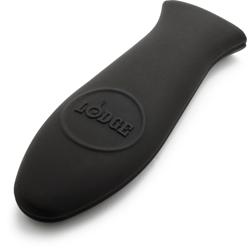
A flexible, heat-resistant blue silicone mini pinch mitt for protecting fingers from hot handles and lids.
-
(21)
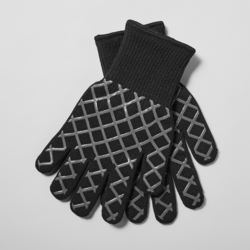
A pair of black heat-resistant gloves that protect hands from searing oven temperatures and provide dexterity.
-
(20)
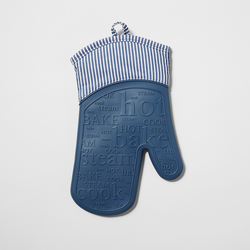
A blue silicone oven mitt with a nonslip pattern for a secure grip on hot cookware.
-
(8)
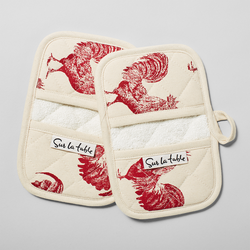
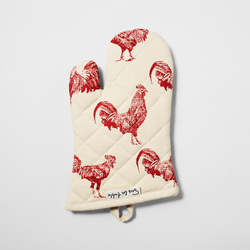
A cheerful red rooster patterned mini mitt set made of durable natural fiber material.
-
(7)
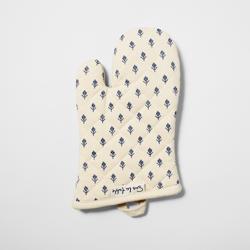
A durable and stylish white oven mitt made of natural fiber, perfect for gifting or personal use.
-
(6)
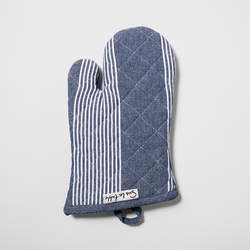
A quilted cotton oven mitt in blue, with terry cloth lining for comfort and easy cleaning.
-
(2)
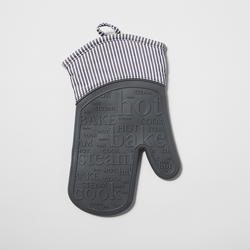
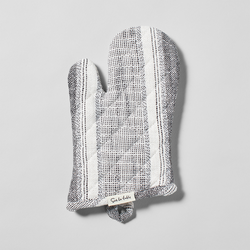
A classic gray striped oven mitt made from recycled polyester with a plush terry lining.
-
(1)
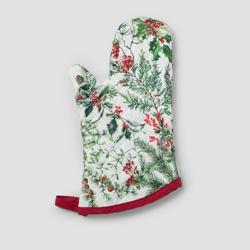
A white natural fiber oven mitt adorned with a festive winter trees and foliage graphic.
-
(1)
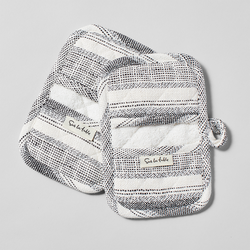
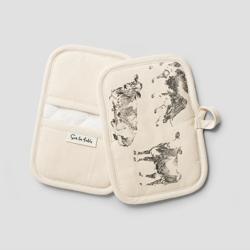
A set of gray mini mitts with a plush terry lining for cool, easy-to-clean hand protection.
-
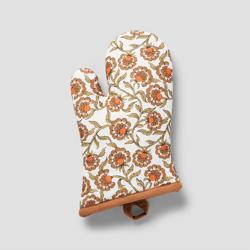
A natural fiber oven mitt featuring an orange floral block print that brings autumn warmth to your kitchen.
-
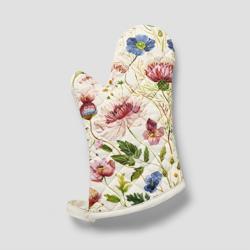
A tan natural fiber oven mitt featuring a modern botanical pattern for a stylish seasonal kitchen accent.
-
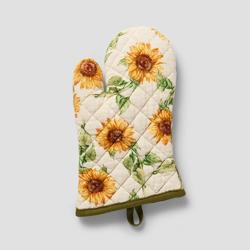
A cotton-linen oven mitt featuring a cheerful yellow sunflower print on a green background for kitchen charm.
-
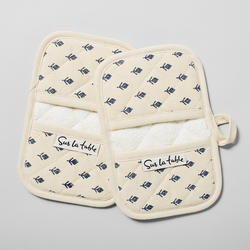
A playful set of tan cotton mini mitts with terry cloth lining for quick, comfortable heat protection.
-
(8)
A charming red oven mitt with a rooster print, made from heavy-duty cotton for heat protection.
-
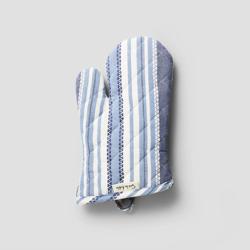
A woven cotton oven mitt in blue and green stripes, offering textured style and easy machine-wash care.
-
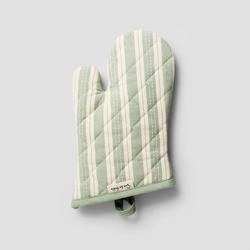
A soft eucalyptus green oven mitt made from natural fiber with a stylish striped woven pattern.
-
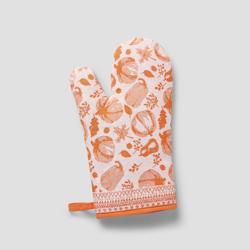
A natural fiber oven mitt in orange with a jacquard pumpkin and harvest motif for seasonal flair.
-
A durable cotton oven mitt in brown, perfect for safely handling hot tools.
-
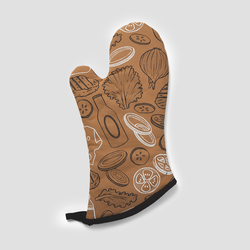
A playful tan oven mitt made from natural fiber, designed to protect hands while handling hot cookware.
-
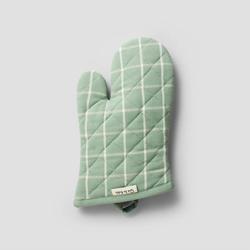
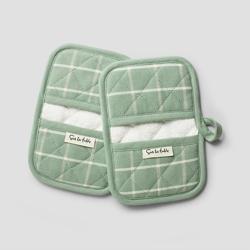
A green cotton oven mitt featuring a quilted windowpane pattern for comfort and easy machine washing.
-
A set of green quilted cotton mini mitts offering comfort and style for everyday kitchen tasks.
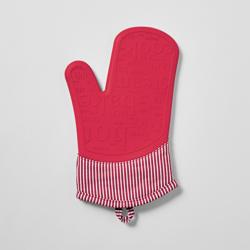
-
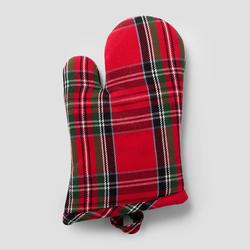
A red natural-fiber oven mitt offering confident handling of hot cookware for everyday cooking and baking.
Classic Oven Mitts
Classic oven mitts are essential for any kitchen, offering reliable protection when handling hot cookware and bakeware. With a timeless design that suits a variety of cooking and baking needs, classic oven mitts help ensure safety and comfort while you prepare meals. Explore options that make it easy to manage hot pots, pans, and dishes with confidence every time you cook.
Sort by:

Classic Oven Mitts
-
"By far, these are the best oven mitts you can buy"
-
"Love the color and it works great"
-
"Best mitt I bought"
-
"Best mitt I bought"
-
"Great quality and look. Ordered 3 pair for myself and gifts. Love them"