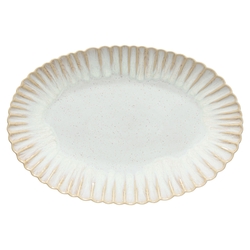
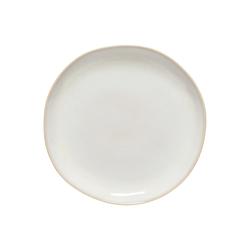
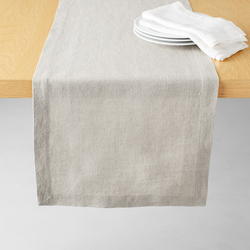
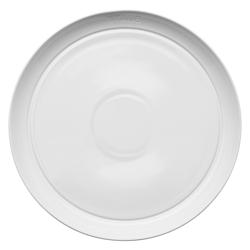
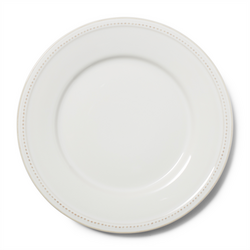
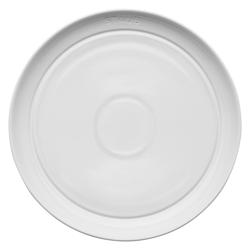
Coastal table decor combines ocean-inspired colors, natural textures and subtle seaside accents to create a relaxed dining setting. Soft blues, sea-glass greens, sandy neutrals and white provide a familiar foundation, while woven details and gently varied finishes add depth without making the table feel busy. The look can suggest a beach cottage, a harbor-side restaurant or simply a love of the shoreline; it does not need to rely on anchors, shells or nautical motifs at every place setting. A blue stripe against white dinnerware can establish the theme as clearly as a more decorative pattern. Coastal tabletop pieces work particularly well when there is a balance between smooth and textured surfaces: clear glass beside woven fibers, glazed ceramic against linen or a simple serving bowl on a subtly patterned cloth. That contrast gives the setting character while leaving room for the food to take center stage. A platter of roasted vegetables, a green salad and a loaf of bread feel right at home on this kind of table, just as a seafood supper does. The appeal is its flexibility for everyday breakfasts, family dinners and meals with friends. Some settings lean crisp and tailored, with matching linens and repeated bands of blue. Others feel more collected, mixing neutral dishes with different shades of glass and a few textured accents. Both approaches can feel coastal when the colors relate to one another and the decorative details leave enough space for comfortable dining. For a table that stays set between meals, a restrained centerpiece and a runner can carry the theme without occupying every surface. During dinner, the same pieces should leave room for serving dishes, water glasses and easy conversation across the table. Coastal decor is most useful when it contributes to that easygoing feeling rather than requiring a perfectly staged arrangement.
Materials influence both the appearance of coastal table decor and how comfortably it fits into a household’s routine. Stoneware often brings a substantial feel and visible character through its glaze, while porcelain can offer a smoother, more refined backdrop for patterned linens or textured accessories. Neither material should be judged by appearance alone: weight, rim shape, finish and the manufacturer’s care instructions all matter for everyday use. Ceramic pieces can chip if knocked against a sink or stacked roughly, so durability also depends on handling and storage. Clear glass adds lightness to a setting and allows the colors of drinks or flowers to become part of the table. Textured or colored glass can add interest without another printed pattern, though washing requirements vary, especially with applied decoration. Linen and cotton introduce softness and are practical considerations for napkins, tablecloths and runners. Linen’s relaxed wrinkles can suit a coastal look, while cotton offers a broad range of weaves and finishes, each with its own feel and care needs. Fiber content alone does not determine whether a textile resists stains, needs ironing or can go in the dryer; the care label is the better reference. Woven materials such as rattan and seagrass contribute the texture often associated with coastal interiors, but they may require spot cleaning and thorough drying rather than soaking. Decorative woven surfaces are not automatically suitable for direct food contact. Wood adds another natural element, with grain and color variations that make a coordinated setting feel less uniform. Wooden pieces may need hand-washing and occasional conditioning according to their instructions. For households that use the dining table throughout the day, washable textiles and easy-care surfaces can make the difference between decor that gets used and decor that stays tucked away. Dishwasher-safe labels, food-contact suitability and any restrictions on heat deserve as much attention as color. A decorative tray or charger is not necessarily intended to hold food directly or protect a tabletop from a hot serving dish.
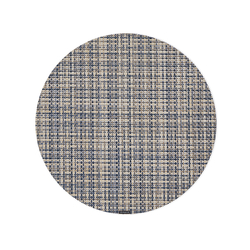
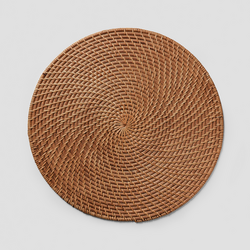
Scale and proportion help coastal table decor feel at home on everything from a small kitchen table to a larger dining table. A generous woven placemat may look appealing on its own, but its full width matters once neighboring place settings, utensils and glasses are in position. On a compact round table, smaller accents can preserve the open area needed for a shared bowl or bread basket. A long rectangular table has more room for repeated textures, although low arrangements generally make it easier for people to see one another. Table linens also need to fit the way the table is used. A runner can show off a wood surface, while a tablecloth creates a more continuous field of color; the right dimensions depend on the tabletop and the preferred amount of overhang. Storage is worth considering, too, particularly when decorative pieces have raised edges, irregular shapes or delicate details that make them harder to stack. A setting built around
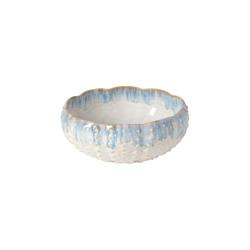
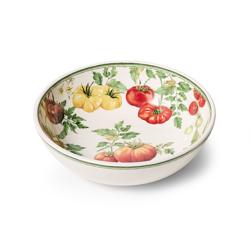
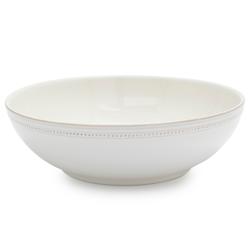
Coastal Dining Bowls can connect practical meal service with the broader coastal theme, especially when the surrounding linens and accents repeat a complementary color or texture. Broad, shallow shapes can suit pasta and composed salads, while deeper bowls may be more comfortable for soups or meals with broth. Serving pieces should offer enough capacity for the household without crowding the table, and handles or a comfortable grip can matter when passing food. For people who entertain often, a few adaptable accents can work with familiar everyday dishes rather than requiring a completely separate table setting. Coastal table decor can also make a thoughtful housewarming, wedding or host gift for someone who enjoys ocean-inspired interiors. Neutral colors and useful forms are often easier to blend into an existing collection than a strongly themed decorative piece. A recipient’s storage space, preferred materials and willingness to hand-wash are helpful considerations. Whether the look is understated or more distinctly nautical, the most satisfying pieces earn their place through repeated use: napkins that feel good in the hand, serving pieces that pass comfortably and details that make an ordinary meal feel considered.