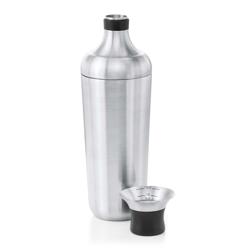
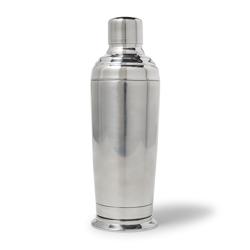
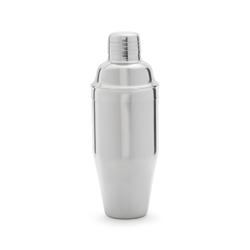
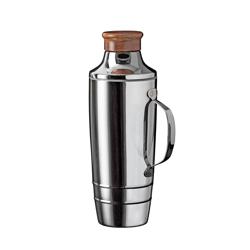
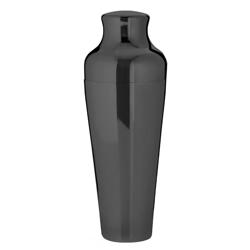
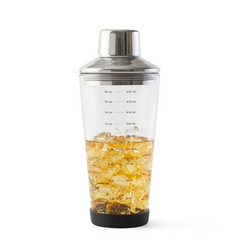
Cocktail shakers for shaken espresso give a familiar coffee routine a different texture: chilled espresso, a light layer of foam and a drink that feels finished before the milk even reaches the glass. Shaking coffee with ice introduces air while cooling and diluting it, softening its concentrated character without turning it into ordinary iced coffee. A little syrup can blend into the espresso, while milk or a dairy-free alternative adds another layer after pouring. The right shaker makes that process comfortable and repeatable, whether the goal is a bold espresso drink with just a splash of milk or a taller glass with plenty of ice. Capacity is an important consideration, but the number of ounces a shaker holds does not tell the whole story. Coffee and ice need room to move, so a vessel filled close to the rim will not perform like one with open space inside. A compact shaker can be a comfortable choice for a single drink and fit neatly beside an espresso machine. A larger vessel provides more room for generous ice cubes or additional servings, although its weight matters once it is full. For someone making coffee before heading out the door, a manageable size and an uncomplicated pour may be more useful than extra capacity. For a household where two people regularly order different coffee drinks, a shaker that is easy to empty and rinse between uses can keep the counter routine moving. The shape matters, too. A narrower middle or gently tapered body may feel more secure in the hand than a broad, straight-sided vessel. Handles, contours and overall balance are worth considering alongside appearance, especially when shaking with both hands. These are tools meant to be picked up often, so comfort deserves as much attention as the finish. The best fit is one that feels natural in a coffee setup rather than like an extra piece of equipment that rarely leaves the cabinet.
Materials and construction influence how a shaker feels, how it holds up and how much attention it needs after the drink is poured. Stainless steel is a practical option for frequent use because it is durable, resists corrosion with proper care and does not retain coffee flavors when cleaned thoroughly. It also transfers cold readily, making the outside feel distinctly chilled as the contents cool. Single-wall metal can become very cold to hold, while insulated construction, where offered, can make handling more comfortable. Glass components allow a clear view of the coffee and ice, which can be appealing for someone who likes to see what is happening inside, but they also add weight and require care around hard countertops. A glass component should be intended for shaking rather than borrowed from everyday drinkware. Different shaker styles bring different conveniences. A three-piece design combines a vessel, a fitted top with straining holes and a cap, keeping several functions together. A two-piece design uses nesting vessels and generally requires a separate strainer to hold back ice. Neither format is automatically better for espresso; the useful distinction is how securely the pieces fit and how comfortably they separate after chilling. A snug seal helps contain splashes, but parts that are difficult to grip or pry apart can make a simple drink unnecessarily awkward. Smooth rims, sound construction and accessible interiors are details that pay off with repeated use. Espresso should be cooled before it goes into a sealed shaker, since hot liquid can create pressure; follow the manufacturer’s directions for safe use. Care requirements deserve a look as well. Dishwasher suitability varies by material and finish, and decorative coatings may call for hand-washing. Coffee residue and syrup can collect around strainers, seams and caps, so parts that come apart easily are helpful for thorough cleaning. Rinsing soon after use and letting every piece dry fully can prevent lingering aromas and keep the shaker ready for the next drink.
A well-chosen shaker should also work with the rest of the coffee station. Storage height matters under a low cabinet, and a wide base may occupy more counter space than expected beside a grinder, milk pitcher or stack of cups. For smaller kitchens, nesting pieces can be useful, provided they are completely dry before storage. The pour deserves attention, too: a controlled opening makes it easier to direct coffee into a narrow glass, while an integrated or separate strainer helps leave spent ice behind when the drink calls for fresh cubes. Fine foam and a little coffee sediment behave differently from large ice pieces, so strainer design can affect the texture that reaches the glass. Someone who prefers a lightly textured drink may value a different pour than someone seeking a smoother finish. These small preferences are often what make a tool feel right over time. Shakers also suit people whose coffee habits extend beyond a quick morning cup, from the home espresso enthusiast experimenting with brown sugar syrup to the host offering a coffee drink alongside brunch. Their usefulness need not stop with espresso. The same qualities are valuable in
Cocktail Shakers For Creative Cocktails: enough room for ice, secure handling and a clean pour. That versatility makes a shaker a thoughtful housewarming or birthday gift for someone who enjoys both coffee and mixing drinks at home. When choosing one for another person, their routine is a better starting point than a decorative finish alone. An easy-clean design may suit the daily coffee drinker, while a host may appreciate a format that works comfortably with existing bar tools. Whether it lives next to the espresso machine or with the glassware, a shaker earns its place through regular use, reliable construction and the pleasure of turning a few familiar ingredients into a coffee drink worth sitting down to enjoy.