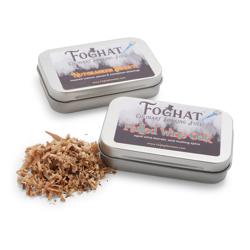
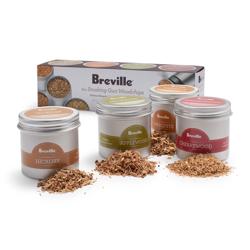
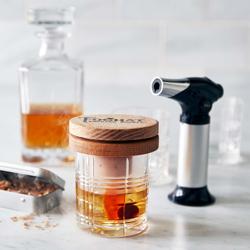
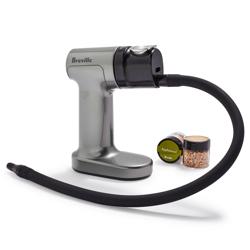
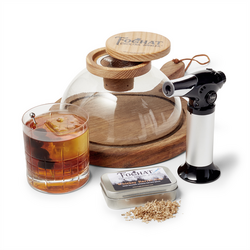
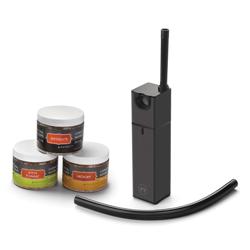
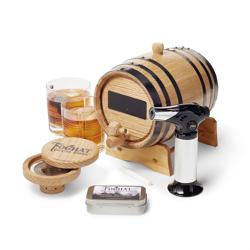
Cocktail smoking chips are small pieces or fine shavings of wood made for use in compatible drink smokers, adding smoky aroma and flavor to cocktails, spirits and nonalcoholic drinks. Depending on the equipment, the wood smolders in a screened chamber above the glass or in a separate smoking device that directs smoke toward the drink. The result is as much about scent as taste: a curl of smoke rising from a glass, the fragrance of toasted wood alongside an orange peel and a familiar cocktail with a different character. The wood species helps shape that experience. Oak generally produces a rounded, assertive smoke that complements the vanilla, caramel and barrel-aged notes in bourbon and rye. Applewood tends to be lighter and gently fruity, making it a useful choice for drinks with bright citrus, orchard fruit or more delicate spirits. Cherrywood brings a mellow, subtly sweet smoke that can pair well with aged rum and whiskey, while hickory has a stronger, savory character suited to bolder drinks and people who enjoy pronounced smokiness. These are aroma profiles rather than added flavors: applewood does not sweeten a cocktail or make it taste like apple juice. The finished impression also depends on the smoker, the amount of wood and how long the drink is exposed to smoke. For a bourbon old-fashioned, oak can echo the spirit’s barrel character without pulling attention away from the bitters and citrus. A tart apple mocktail may benefit from the softer aroma of applewood, while cherrywood can complement the brown sugar notes of an aged rum drink. Pairings are starting points rather than fixed rules. Cocktail smoking chips give home bartenders a way to explore those differences without changing every ingredient in a favorite recipe, whether the goal is a faint woodsy finish or a more noticeable smoky accent.
Choosing cocktail smoking wood starts with the material and its compatibility with the equipment already on the bar. Look for wood identified by the manufacturer as suitable for culinary smoking, with clear information about its species and intended use. Treated lumber, painted wood and scraps of unknown origin do not belong in a drink smoker. Neither do products made with fragrances or additives that are not intended for culinary use. Particle size matters, too. Fine shavings and small chips can suit compact cocktail smokers, but the correct size depends on the design of the chamber and screen. Material that is too fine may fall through a screen or restrict airflow when packed tightly, while larger pieces intended for outdoor cooking may not fit or smolder as the device requires. A description that specifies compatibility is more useful than assuming all smoking wood is interchangeable. Glass-top smokers, handheld smoking devices and enclosed smoking systems can have different requirements, so the equipment manufacturer’s recommendations should guide the choice. When a smoker sits directly on a glass, the smoker’s fit against the rim matters separately from the chips inside it. A stable setup and appropriate glassware help keep the focus on the drink rather than an awkward balancing act. Smoking chips are consumable, so their lasting quality is less about wear and more about keeping them clean, dry and protected between uses. A tightly closed container stored away from moisture, cooking grease and strong household odors helps preserve their character. Clear labels are especially helpful when several woods share a bar drawer. For the equipment itself, removable screens and accessible chambers can make residue easier to manage, though cleaning methods vary by material and design. Ash should be fully cool before disposal, and smoker care should follow the manufacturer’s directions. Any setup involving a torch or smoldering wood also calls for ventilation, a stable work surface and clearance from flammable decorations. Glassware should never be assumed safe for direct flame simply because it feels sturdy.
For everyday use, the best cocktail smoking chips are the ones that suit both the drinks being served and the amount of experimentation the home bartender enjoys. Someone who regularly makes whiskey cocktails may get more use from a familiar oak profile than from several strongly contrasting woods. A host who moves between rum drinks, tequila cocktails and alcohol-free recipes may appreciate having distinct wood characters to choose from. Smaller quantities can make sense when learning personal preferences, especially because a forceful smoke aroma can overwhelm herbs, fresh juice or a carefully balanced spirit. Smoke works best as another ingredient in the overall impression, not a substitute for a well-made drink. Picture a rye cocktail with a broad ribbon of orange peel: the citrus oils should still have a place alongside the wood aroma. In a nonalcoholic drink built around black tea, tart cherry or ginger, smoke can add another layer without relying on a spirit for depth. Those possibilities make smoking chips appealing to curious beginners as well as experienced home bartenders, provided the necessary compatible equipment is part of the setup. As a gift, they are particularly thoughtful for someone who already owns a cocktail smoker and enjoys refining a favorite serve. Knowing the recipient’s equipment and preferred drinks makes the choice more personal and more practical. They can also be part of an evening spent tasting small variations of the same cocktail, comparing how a lighter fruitwood differs from a more assertive hardwood. During the cooler months, a restrained smoky note fits naturally alongside roasted nuts, aged cheese or an after-dinner conversation, but the appeal is not limited to a season. Presentation matters without needing to become a performance. A comfortable glass, a clean rim and an uncluttered serving area give the aroma room to make its impression. For glassware that will see regular entertaining,
Chip Resistant Cocktail Glasses are a related consideration, although resistance to chips does not indicate resistance to heat or flame. With suitable wood, compatible equipment and a drink worth savoring underneath, cocktail smoking chips can bring a distinctive finishing touch to the home bar.