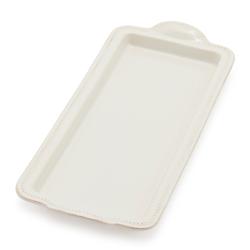
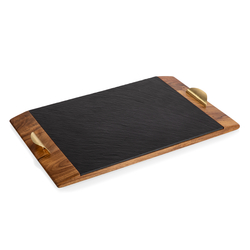
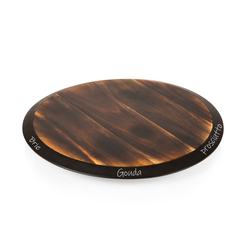
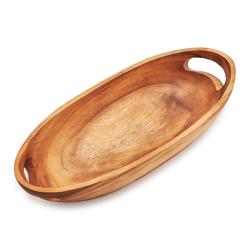
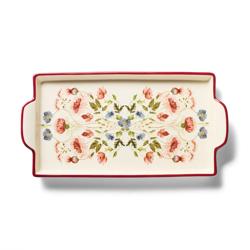
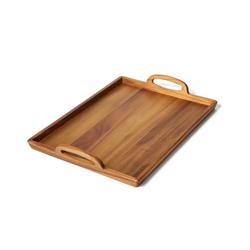
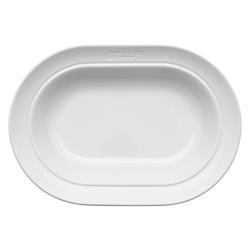
Coffee bar trays give the small essentials of a daily ritual a place to belong. A tray brings mugs, spoons, sweeteners and a milk pitcher together, making a stretch of countertop feel more organized without hiding the things that get used most. It also creates a clear boundary between the coffee station and the rest of the kitchen, especially on a shared counter where breakfast prep happens just a few inches away. The right shape depends as much on the space around the tray as on what sits inside it. Rectangular designs follow the lines of a backsplash or shelf and can keep supplies in a neat row beside a coffee maker. Round and oval shapes soften a corner and work well when cups and containers are arranged around a central piece. On a shallow counter, a smaller footprint leaves room for preparing drinks; on a sideboard, a broader surface can bring cups, napkins and serving essentials into one welcoming arrangement. Usable interior space matters, since thick rims and inset handles can reduce the room available for a mug or canister. A low edge makes everyday contents easy to reach, while a raised rim helps keep loose accessories contained. For trays that move from counter to table, comfortable handles and a balanced weight make a difference when carrying several filled cups. The tray should feel manageable when loaded, not just when empty, and cups need enough space to sit flat without crowding one another. A tray used beside an espresso machine has a different job from one used to serve coffee after dinner, though some designs suit both. Keeping that intended use in mind helps make a coffee station feel easy to live with, whether it occupies a dedicated cabinet, a dining room console or one carefully arranged corner of an apartment kitchen.
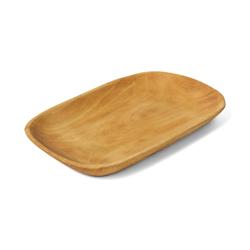
Material influences the look, weight and upkeep of a coffee bar tray, so appearance is only part of the choice. Wood brings visible grain and a warm, natural contrast to glass containers and metal equipment. Its finish matters around stray drops of coffee or water, and prompt wiping helps prevent moisture from lingering on the surface. Wood generally benefits from gentle cleaning rather than soaking, with any conditioning guided by the maker’s care instructions. Metal can give the arrangement a clean, understated look, with care needs that vary by finish. Stainless steel is practical for frequent handling, though fingerprints and fine scratches may show; painted or plated surfaces call for nonabrasive cleaning to help preserve their appearance. Ceramic offers color, pattern and a substantial feel, but its weight is worth considering if the tray will travel between rooms. Like glass, it needs protection from knocks against a sink or hard countertop edge. Natural stone can create a grounded display, although coffee stains and acidic cleaners may be concerns depending on the stone and its seal. Lightweight materials can be easier to carry, but their suitability for heat, food contact and dishwasher cleaning should always be checked rather than assumed. Across materials, a smooth, accessible interior makes spilled sugar and coffee grounds easier to wipe away than deep grooves or intricate corners. A tray is not automatically a trivet, so a hot vessel may need a suitable protective layer beneath it. The underside deserves attention too: a stable base helps prevent rocking, while clean, appropriate protective feet can reduce direct contact with a delicate counter. Water trapped underneath can affect both the tray and the surface below, making occasional lifting and drying useful even when the top looks tidy. For everyday use, the most satisfying choice is often a material whose care requirements fit comfortably into the household routine.
A coffee bar tray can make a space feel considered without turning it into a display that is difficult to use. The arrangement works best when the most frequently reached-for pieces remain at the front and there is enough open surface to set down a cup. Tall containers can sit toward the back, provided they do not block an outlet or interfere with opening a cabinet. Supplies are often more useful beside the coffee maker than directly underneath it, where a rim could complicate access to a water tank or drip tray. A neutral finish lets changing mugs and linens bring personality to the station, while a patterned tray can add interest to an otherwise simple counter. Texture offers another way to create contrast, such as wood beside glossy tile or a smooth surface against woven storage. The goal is an arrangement that suits the room and the people using it, rather than a collection of accessories added only for appearance. In a busy household, that might mean separate spaces for regular and decaffeinated coffee supplies. In a guest room or dining area, it might mean a small selection of cups and clearly grouped accompaniments that help visitors feel comfortable serving themselves. For a similar sense of order elsewhere in the kitchen,
Countertop Trays can bring everyday essentials together near the sink, on an island or beside a kettle. Coffee bar trays also make thoughtful housewarming, wedding or host gifts, particularly when chosen with the recipient’s counter space and habits in mind. Someone who enjoys lingering over breakfast may appreciate a tray suited to carrying coffee to the table, while an enthusiastic home barista may prefer a compact design for organizing accessories. A familiar material, an easy-to-clean surface and a useful size give the gift a place in daily life. Whether holding the morning essentials or carrying cups out after a meal, a well-chosen tray brings order and a welcoming finishing touch to the coffee routine.