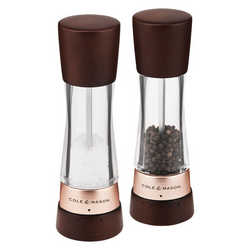
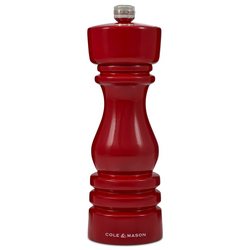
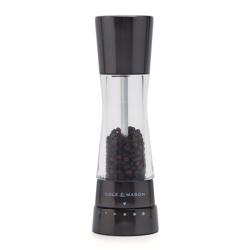
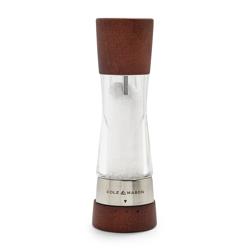
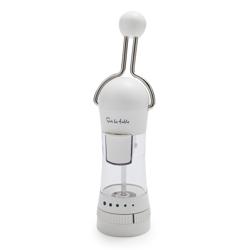
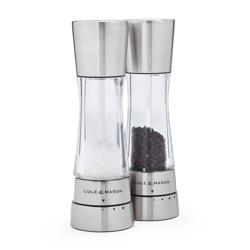
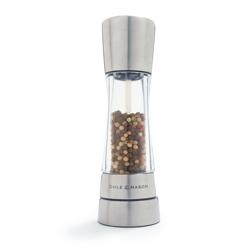
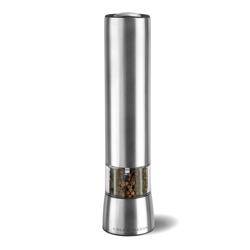
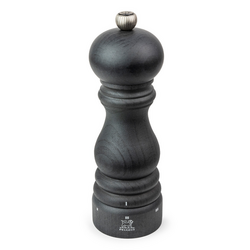
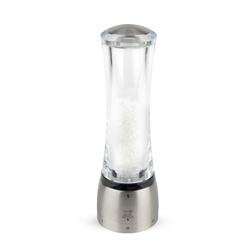
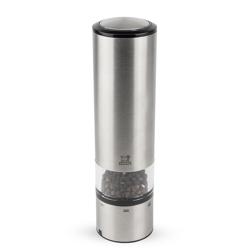
A well-made pepper mill brings more than seasoning to the table—it gives cooks control over aroma, texture and finishing flavor. Freshly ground pepper has a livelier fragrance and a more layered taste than pre-ground pepper, making it useful for everything from a simple bowl of soup to a carefully prepared steak. As the weather turns cooler, a pepper mill earns a regular place beside pots of stew, roasted vegetables, creamy pasta and hearty grain dishes, where a final twist can brighten rich, slow-cooked flavors. Manual mills are a familiar choice for everyday cooking, offering a satisfying rhythm and a direct feel as you season. Electric mills can be especially convenient for cooks who want one-handed operation while stirring, carving or holding a serving platter. Some designs are compact enough to keep near the stove, while taller mills can stand on a dining table or kitchen counter and remain easy to reach when meals are served. When choosing among pepper mills, consider the way you cook, the amount of counter space available and whether the mill will be used primarily for preparation or at the table. A comfortable shape, steady base and smooth grinding action can make a noticeable difference when seasoning several servings or preparing a dish that calls for generous amounts of pepper.
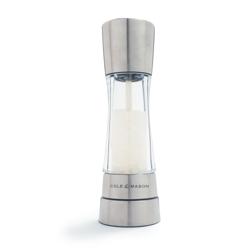
The grinding mechanism is one of the most important details to consider. Quality pepper mills commonly use hardened carbon steel or another durable material designed to strip peppercorns rather than simply crush them. This helps release their fragrant oils while producing a more consistent grind. Look for an adjustable setting if you enjoy using pepper in different ways: a coarse grind adds texture to a roast or salad, a medium grind works well in sauces and marinades and a fine grind blends smoothly into soups, eggs and mashed potatoes. Preset settings can make adjustments simple and repeatable, while continuously adjustable mechanisms offer more control for cooks who like to fine-tune texture. A dependable refill system matters, too. Peppercorns should be easy to add without spilling across the counter, and a clearly visible chamber makes it simple to see when the mill needs attention. Wood, stainless steel, acrylic and mixed-material designs each bring a different character to the kitchen. Wood can add warmth to a traditional setting, while metal and clear finishes suit a more streamlined space and make it easier to monitor the peppercorn supply. For a coordinated place setting, a pepper mill can be paired with a salt mill or placed alongside other serving essentials, but it should be reserved for dry peppercorns unless the manufacturer specifically states otherwise. Moisture can interfere with grinding mechanisms, so store peppercorns in a dry place and wipe the exterior with a soft cloth rather than immersing the mill in water. If you are drawn to a polished finish for your dining table, a
Silver Pepper Mill can bring a clean, versatile accent to both casual meals and more formal gatherings.
Pepper mills also make thoughtful gifts because they combine daily usefulness with a sense of occasion. A new cook may appreciate an easy-to-use mill for building confidence with basic recipes, while an experienced home chef may value a precise mechanism and a wider range of grind settings. They suit hosts, newlyweds, graduates setting up a first kitchen and anyone who enjoys gathering friends around the table. A handsome mill can feel personal without requiring knowledge of someone’s exact cookware collection, and it is practical enough to become part of a daily routine rather than being tucked away for special occasions. Before giving one, consider whether the recipient prefers a classic manual design or the convenience of an electric model, as well as the scale of the mill and the look of their kitchen. A larger capacity can reduce refilling for frequent cooks, while a smaller profile may be better for a compact apartment or a table with limited space. It is also worth checking whether the mill offers a comfortable grip, a stable base and an adjustment system that is easy to understand. The best choice is one that feels natural in the hand and responds smoothly, since small frustrations become noticeable when a mill is used at nearly every meal. Fill it with whole peppercorns, place it beside the stove or set it out with the serving dishes and it becomes a quiet but useful part of cooking. From a weeknight omelet to a long-simmered Sunday sauce, freshly ground pepper adds a finishing touch that helps food taste more complete.