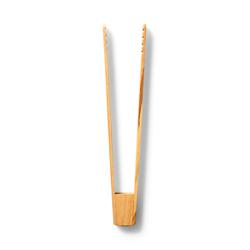
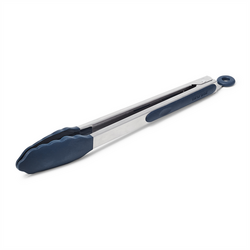
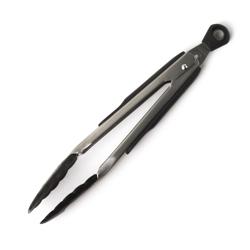
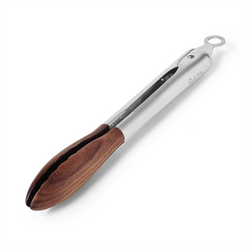
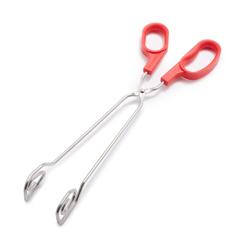
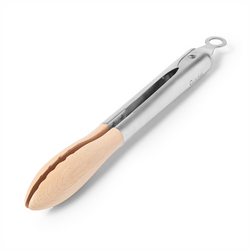
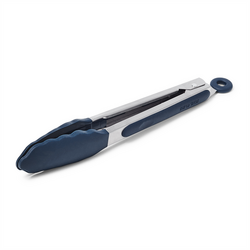
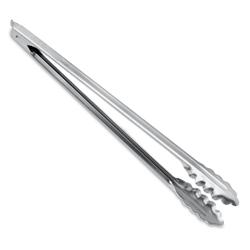
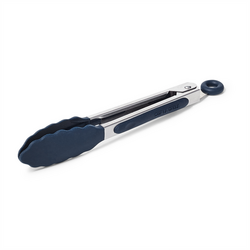
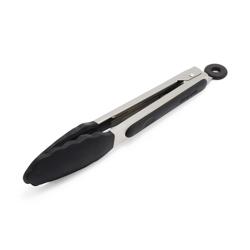
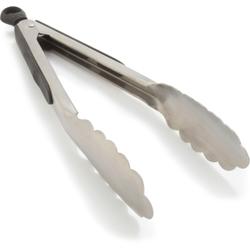
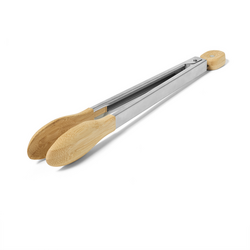
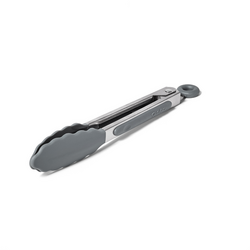
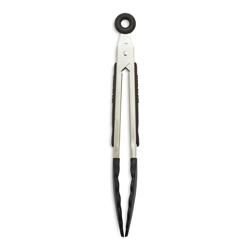
Colored kitchen tongs add color to everyday cooking while giving you a practical way to grip, turn and serve food. Different colors can also help distinguish utensils assigned to raw ingredients, cooked food or serving, provided each pair is kept separate and cleaned appropriately. Beyond their appearance, the most useful tongs offer a balance of control, comfort and materials suited to the cookware you use. Stainless steel provides a sturdy structure, while silicone tips offer a softer contact surface for nonstick pans and many other cooking vessels. Nylon tips are another option, though their heat limits may differ from those of silicone, making the manufacturer’s instructions important. Color may appear on the tips, the handles or both, and those details serve different purposes: a colorful handle does not necessarily mean the gripping ends are suitable for a nonstick surface. For turning browned chicken in a skillet, broad, gently scalloped ends can provide a secure hold without piercing the meat. For lifting asparagus or moving roasted carrot wedges to a platter, tips that meet evenly help keep smaller pieces from slipping away. Bare stainless steel ends can be useful for gripping sturdy foods on cookware designed for metal utensils, but they are not the right match for every pan finish. Softer tips are especially appealing when tossing noodles in a coated sauté pan or lifting a tender piece of fish. The shape matters as much as the material, since wide ends support larger portions while narrower ends allow more precise placement. A pair that feels nimble enough to turn a mushroom yet substantial enough to lift a chicken thigh can earn a regular place beside the stove. Bright shades make utensils easier to spot in a crowded drawer, while muted colors can coordinate with a more understated kitchen. Either way, the color is most useful when it accompanies a shape and construction that fit the food, cookware and tasks you handle most often.
Comfort becomes especially noticeable when tongs are used throughout a meal, from turning vegetables to portioning pasta at the table. A smooth spring action should let the ends open and close without requiring a hard squeeze, while the handles should sit comfortably in your hand. Too much resistance can make repeated use tiring; too little can leave the tool feeling difficult to control. Grip surfaces also matter when hands are damp from rinsing produce, although no handle should be treated as slip-proof. When considering
Silicone Grip Kitchen Tongs, look at where the silicone is placed and whether it provides cushioning at the handle, protection at the tips or both. Length affects the experience, too. Shorter tongs are often easier to maneuver when assembling sandwiches, arranging salad greens or serving from a shallow bowl. Longer handles provide more reach into a deep pot or across a broad cooking surface, but they can feel less precise for small tasks. The right fit depends on your hand size, your cookware and the distance you need between your hand and the food. A locking mechanism can keep tongs compact in a drawer, and a hanging loop may suit a utensil rail, provided both are easy to operate. Construction details are worth attention as well: firmly attached tips, smoothly finished edges and a hinge that moves freely all contribute to a tool that feels dependable. Care requirements vary, so dishwasher-safe labeling and heat ratings should be checked rather than assumed. Silicone can tolerate heat within its specified limits, but it should not rest against a burner, open flame or hot pan surface beyond those limits. Food residue can collect around hinges and where tips join the arms, making those areas important to clean thoroughly. Allowing tongs to dry before storing them helps keep those joints clean and ready for the next use. Over time, loose tips, cracked surfaces, rust or a damaged spring are reasons to replace a pair rather than keep it in rotation.
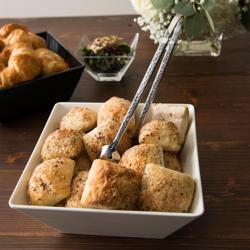
Color can bring useful organization to a busy kitchen, especially when several dishes are being prepared at once. Assigning one pair to raw chicken and another to cooked food makes their roles easier to recognize at a glance. That distinction is helpful only when everyone cooking understands the system; there is no universal household rule that a particular color belongs to a particular ingredient. The same principle works at the table, where separate colors can distinguish tongs for a green salad, sliced bread and a platter of roasted vegetables. A visible difference may make it easier for guests to return a utensil to its intended dish, although color alone cannot prevent cross-contamination or allergen cross-contact. Tongs that touch raw meat still need proper cleaning before they touch cooked or ready-to-eat food, regardless of their color. For shared kitchens, a simple, consistent approach is more useful than a complicated collection of color assignments. Beyond organization, colored tongs can make everyday tools feel at home with the rest of your kitchen. A lively accent can stand out against stainless steel cookware, while a quieter shade can sit comfortably alongside ceramic utensil crocks and neutral linens. Matching every accessory is not necessary; choosing a color you can readily recognize may be more practical than building a perfectly coordinated drawer. These tools also make thoughtful, useful gifts for a first apartment, a housewarming or someone who enjoys cooking but has been relying on an awkward pair that never quite closes. For a frequent host, a serving-friendly size may be particularly welcome, while someone who cooks primarily in nonstick pans may appreciate soft tips and an easy squeeze. A gift feels more considered when the material, grip and care requirements suit the recipient’s habits, not just their favorite color. From lifting a baked potato onto a plate to folding warm pasta through a sauce, tongs handle many small jobs that arise throughout the week. Choosing a pair with comfortable movement, appropriate tips and a recognizable color brings together the practical details that make an everyday utensil pleasant to reach for.