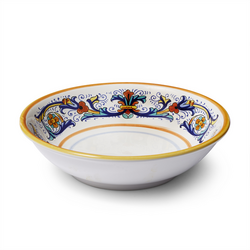
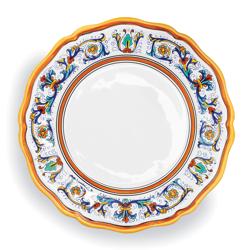
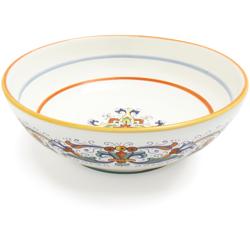
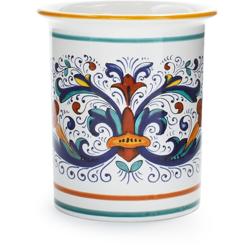
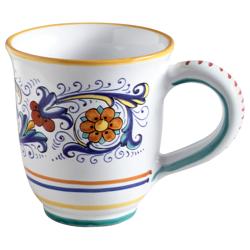
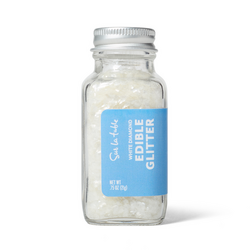
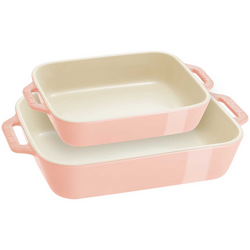
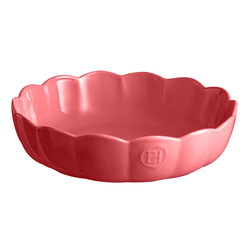
Colorful decorations bring personality to a room and help turn a shared meal or celebration into a memorable occasion. Hanging decorations, garlands, decorative accents and table décor introduce color at different heights, creating a festive setting without taking up all the space needed for food and conversation. Bright, saturated shades feel lively and playful, while pastels offer a softer effect; a mix of both can feel especially welcoming when a few colors repeat throughout the room. The most useful choices suit the gathering as well as the space, whether that means a cheerful backdrop for a birthday cake, a colorful dining table for a family celebration or a small decorative touch beside the coffee station. In kitchens and dining rooms, color often works best alongside what is already there. A warm wood table gives reds, yellows and pinks a comfortable backdrop, while white dishes let blues, greens and multicolored patterns stand out. A repeated stripe, scalloped edge or rounded shape can connect different decorations without making every detail match. For a more focused palette,
Pink Decorations can complement cream and natural wood for a gentle look or pair with orange and red for something more energetic. Texture adds another layer: folded paper catches the light differently than smooth glass, and woven fabric softens the appearance of glossy surfaces. These contrasts give a setting depth even when the palette stays simple. Colorful party decorations can also help define the places where people gather, drawing attention to a dessert table or making a gift area easy to spot. For everyday decorating, smaller accents can bring the same sense of welcome to an open shelf, breakfast nook or sideboard. A thoughtfully placed touch of color can feel just as intentional as a larger display, especially in a room where cooking, eating and spending time together all share the same footprint.
Materials influence both the appearance of colorful décor and how comfortably it fits into daily life. Paper and tissue decorations have an airy quality that works well for hanging displays, and dimensional folds can create a full-looking arrangement with relatively little weight. They do need gentle handling, particularly around creases, attachment points and delicate edges. Fabric decorations offer a softer texture and may be suitable for repeated use, though cleaning methods depend on the fibers, dyes and any attached trim. Ceramic and glass accents bring a more substantial presence to a table or shelf, with finishes that range from matte to reflective. Their weight can help a display feel settled, but they belong on stable surfaces where elbows, serving dishes and chair backs are unlikely to knock them over. Wood adds warmth and visible grain, while metal can introduce a crisp outline or a subtle sheen. No single material is best for every setting: a lightweight hanging accent serves a different purpose from a sturdy tabletop piece intended to stay in place between meals. Dimensions matter just as much as material. A decoration that looks modest above a wide buffet may overwhelm a narrow apartment dining area, and a generous centerpiece can leave too little room for a family-style dinner. Low arrangements keep faces visible across the table; taller accents often fit more comfortably on a sideboard or another surface away from seated guests. Suspended decorations need enough clearance for people to walk beneath them without brushing against edges or strings. Attachment methods also deserve attention, especially on painted walls, cabinets and other finished surfaces. Following the recommended hanging instructions helps protect both the decoration and its surroundings. In a kitchen, decorative displays should stay clear of burners, hot appliances and food-preparation areas. Around a dining table, leaving room to pass a platter or set down a water pitcher keeps an attractive arrangement from becoming an obstacle. Decorations near food should not be assumed food safe unless they are labeled for that use.
The right colorful decorations feel at home with the way you entertain. For a casual birthday lunch, a concentrated display behind the cake can create a cheerful focal point while keeping the rest of the table open. At a larger gathering, repeating a small group of colors across the entry, dining area and refreshment station creates continuity without requiring identical arrangements. A quieter dinner might need only a few decorative accents that pick up a color from the table linens or dishes. Households with children or pets may prefer less fragile materials in reachable areas, with small parts, trailing cords and delicate pieces kept safely out of reach. For frequent hosts, reusable decorations in versatile colors can work across birthdays, anniversaries, showers and other personal celebrations. Their usefulness depends on construction as well as appearance: secure seams, sound hanging loops, stable bases and neatly finished edges are worth considering when a decoration will be unpacked and displayed repeatedly. Care should follow the material and the maker’s instructions rather than a single routine for every piece. Paper generally benefits from dry handling and protection from crushing; fabric may require spot cleaning or another specified method. Painted, glazed or embellished surfaces can need gentler treatment than their underlying material suggests. Dishwasher-safe care should never be assumed for decorative pieces. Letting washable decorations dry fully before putting them away, supporting delicate shapes and separating surfaces that might scratch each other can help preserve their appearance. Storage space is another practical consideration, particularly when choosing between decorations that fold flat and pieces that hold their shape. Colorful home décor can also make a thoughtful housewarming or host gift when it reflects the recipient’s taste and the size of their home. A familiar accent color, an easy-care material or a style that suits their usual gatherings is often more useful than something that requires a complete decorating change. Whether the goal is a lively celebration or a more inviting everyday table, decorations earn their place when they add character while leaving plenty of room for the people, food and shared moments around them.