-
(586)
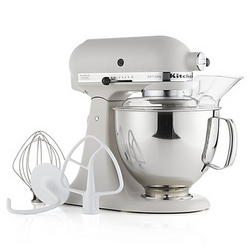
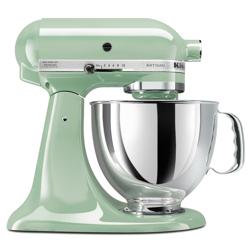
A powerful 7-quart stand mixer with 11 speeds and versatile attachments for professional performance in your kitchen.
-
(10000)
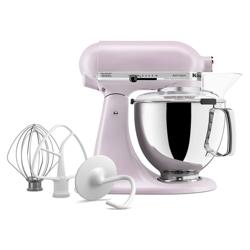
A pink stainless steel mixer with 10 speeds and tilting head for effortless mixing, kneading, and whipping.
-
(36)
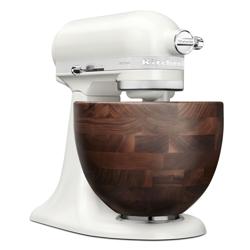
A porcelain white stand mixer with a walnut wood bowl, featuring 10 speeds and versatile attachment options.
-
(212)
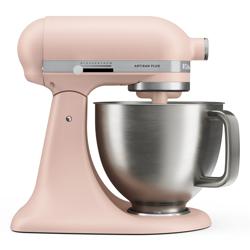
A feather pink stand mixer with stainless steel bowl, featuring eleven speeds, Soft Start, and integrated bowl light.
-
(782)
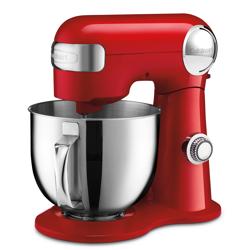
A powerful red stand mixer with 12 speed options and a 5.5-quart stainless steel bowl.
-
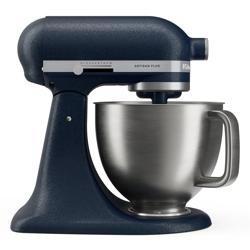
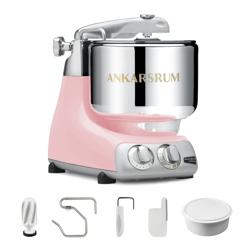
A pink stainless-steel stand mixer with quiet, load-adjusting operation and versatile accessories for everyday baking.
-
(47)
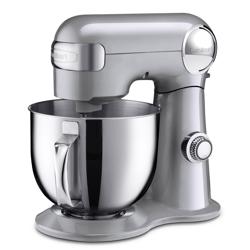
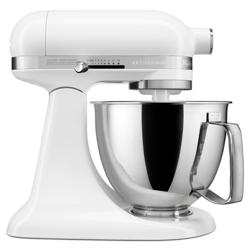
A compact, powerful stand mixer with a 3.5-quart bowl and ten speeds for versatile mixing.
-
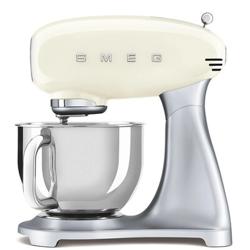
A cream plastic stand mixer with a 600-watt motor, planetary action, and 10 speeds for baking.
-
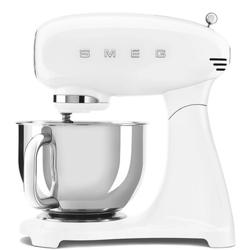
A white plastic stand mixer featuring retro Italian design, planetary mixing action, and Smooth Start technology.
-
(52)
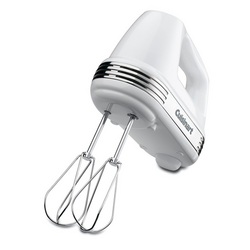
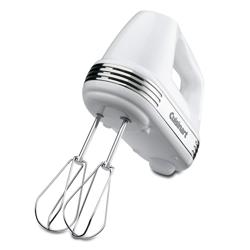
A powerful and versatile hand mixer with seven speeds and a smooth start function.
-
(345)
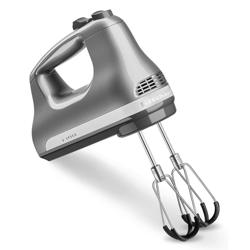
A powerful hand mixer with six speeds and Flex Edge Beaters for easy blending and storage.
-
(188)
A powerful and versatile hand mixer with automatic feedback feature and dishwasher-safe parts.
-
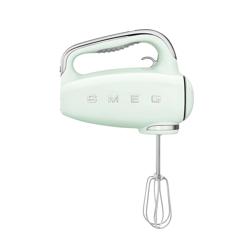
A pastel green plastic hand mixer featuring retro style, LED timer display, and an ergonomic anti-slip handle.
-
(1)
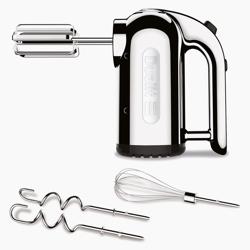
A sleek silver steel hand mixer with four speeds, ergonomic handle, and versatile attachments for effortless baking.
-
(49)
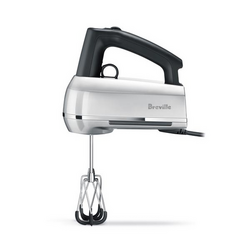
A powerful hand mixer with automatic feedback that easily mixes heavy ingredients and has an easy-to-use slide control.
-
(14)
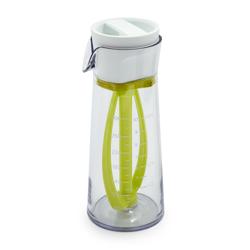
A white BPA-free mixer with measurement markings and a drip-free spout for making and storing dressings.
-
(181)
A powerful silver mixer with silicone-coated beaters that scrape the bowl while mixing ingredients.
Commercial Kitchen Mixers
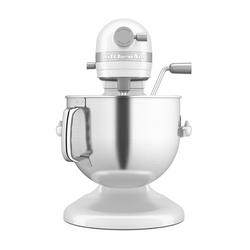
If you're in the market for a heavy-duty kitchen essential that can handle large batches of dough, batter, or other mixtures with ease, look no further than commercial kitchen mixers. These powerful machines are designed to meet the demands of professional kitchens, offering robust performance and durability. Whether you're a seasoned chef or a passionate home baker looking to elevate your culinary creations, a commercial kitchen mixer can be a game-changer in your kitchen arsenal. Discover the perfect balance of speed, power, and precision with these top-of-the-line mixers that are built to withstand the rigors of high-volume cooking and baking.
Commercial Kitchen Mixers
-
"I love it and the price was the best"
-
"The color is great. The size is perfect. The attachments are the best. I love it"
-
"Things I love: power, large bowl, accessories, ease of controls, appearance"
-
"KitcheAid is definitely by far the best bang for the buck with the best overall quality we have used"
-
"Things I love: power, large bowl, accessories, ease of controls, appearance"