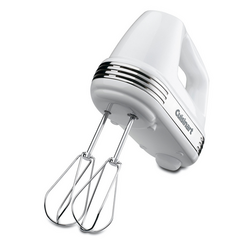
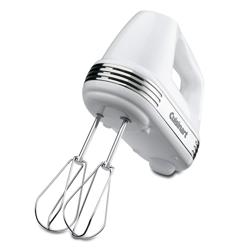
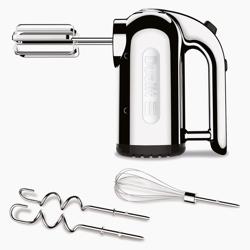
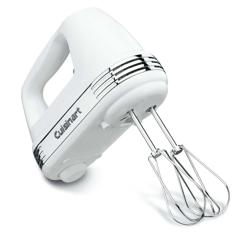
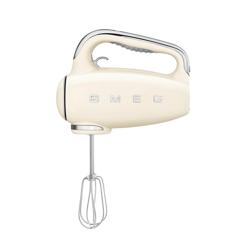
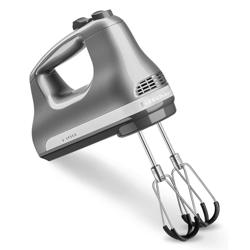
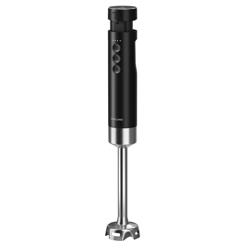
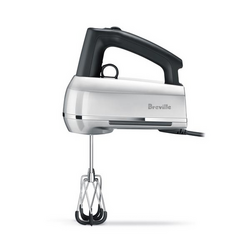
Compact electric hand mixers are handheld kitchen appliances for beating, mixing and whipping ingredients, with a small body that takes up less storage space than a typical stand mixer. They make everyday baking more manageable without asking for a permanent place on the counter. Pancake batter, softened butter and sugar for cookies or cream for a bowl of berries can all call for different mixing speeds, but none necessarily calls for a large appliance. For cooks with apartment kitchens, shared cabinets or limited prep space, a compact mixer is easy to put away between uses. It also moves from one suitable mixing bowl to another, allowing batter and frosting to be prepared separately without transferring ingredients into a dedicated mixer bowl. That flexibility suits occasional bakers as well as experienced cooks who want a smaller tool for quick tasks. A hand mixer is especially useful for light batters, whipped toppings and smooth frostings, provided the recipe and batch size fall within the manufacturer’s recommendations. It can help work softened cream cheese into a filling or incorporate air into eggs for a sponge cake. Results still depend on technique: ingredients at the recommended temperature and a bowl with enough headroom make mixing easier to control. A deep bowl helps contain splashes, while a stable base keeps the bowl from sliding as the beaters move through the mixture. Small batches benefit from a bowl narrow enough for the attachments to reach the ingredients properly. Compact describes storage size, not a promise that every mixer can handle every dough. Dense bread dough and large batches of stiff cookie dough may require equipment designed for heavier loads. For a quick cake after dinner or a topping made just before serving, though, a compact electric hand mixer keeps preparation simple.
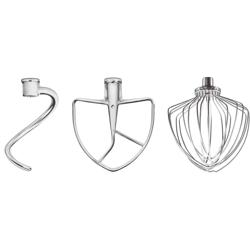
Comfort and control help distinguish a mixer that feels convenient from one that becomes tiring to hold. Overall weight matters, but so do balance, handle shape and the position of the controls. A comfortable grip leaves room for fingers without forcing the wrist into an awkward angle, and accessible speed controls make adjustments easier while the other hand steadies the bowl. Lightweight plastic housings can reduce the load on the hand; stainless steel attachments offer strength and resistance to rust with proper care. Smooth surfaces and fewer hard-to-reach seams also make flour dust and splashes easier to wipe away. Speed settings deserve attention because gentle blending and vigorous whipping serve different purposes. A low starting speed helps keep dry ingredients in the bowl, while higher settings can incorporate air into cream or egg whites. Gradual speed changes offer control as a mixture thickens. Extra speed settings are useful only if they provide meaningful adjustments, and wattage alone does not establish how effectively a mixer will handle a particular recipe. Beater design, motor performance and the manufacturer’s intended uses also matter. Traditional beaters suit many batters and frostings, while a whisk attachment, when included, is intended for aerating lighter mixtures. Dough hooks do not automatically make a small mixer suitable for prolonged kneading; dough type, batch limits and recommended operating times still apply. Cooks who frequently make meringue, mousse or buttercream may also appreciate
adjustable speed hand mixers for desserts, especially when a recipe moves from gentle blending to sustained whipping. Corded designs need an accessible outlet and enough cord length to reach the work area comfortably. Cordless designs bring different considerations, including charging, runtime and battery care. Storage cases, attachment clips or cord wraps can help keep the parts together, but their dimensions count toward the space the mixer needs in a cabinet or drawer.
Everyday care plays a part in keeping a compact hand mixer pleasant to use and ready for the next batch. Before cleaning or removing attachments, switch the mixer off, unplug corded models and follow the manufacturer’s safety instructions for cordless models. Detachable beaters are easier to clean before batter dries around the wires or stems. Dishwasher-safe attachments can simplify cleanup, but that designation should be checked for each component rather than assumed for the entire appliance. The motor housing should never be immersed in water; a lightly dampened cloth is generally the appropriate way to remove splashes, following the care instructions. Attachments should be completely dry before storage, and the cord should be arranged without tight bends or strain where it enters the housing. Keeping vents clear and observing recommended mixing times helps avoid unnecessary stress on the motor. Butter softened as the recipe directs is easier to cream than a cold block, and forcing beaters through an overly stiff mixture can strain both the appliance and the cook’s grip. Durability comes from matching the mixer to its intended work as much as from the materials themselves. Securely fitting attachments, controls that operate smoothly and storage that protects the beaters all contribute to a dependable routine. For a first apartment, a housewarming or someone beginning to bake more often, a compact electric hand mixer can be a thoughtful gift that fits everyday cooking habits. It is equally useful for an experienced baker who prefers a handheld appliance for smaller jobs rather than bringing out larger equipment. A gift recipient’s grip comfort, storage space and favorite recipes are more meaningful considerations than the longest feature list. Whether the usual task is mixing a tender cake batter or whipping a small bowl of cream, the right fit is a mixer that feels comfortable in use, handles the intended recipes and stores neatly afterward.