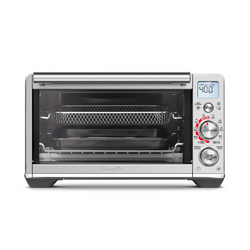
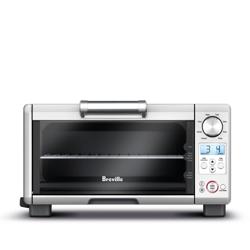
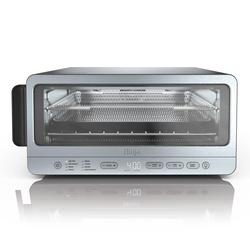
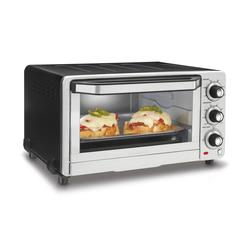
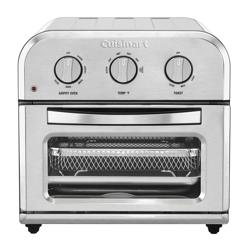
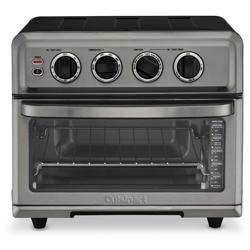
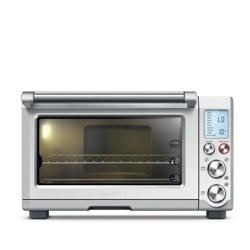
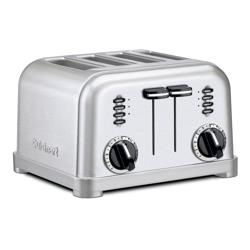
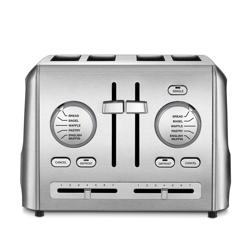
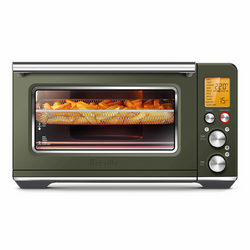
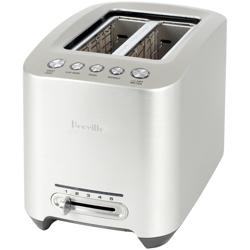
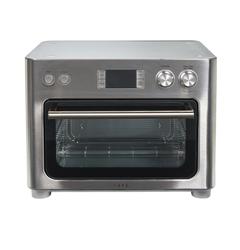
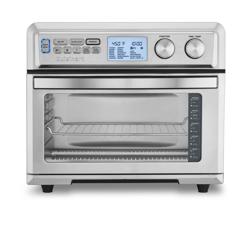
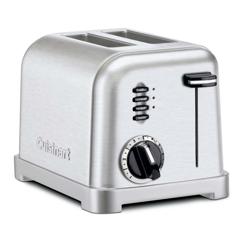
Compact toaster ovens are small countertop ovens designed for everyday tasks such as toasting bread, baking small portions and reheating leftovers. Cooking functions vary by model, with some adding convection, air frying or dedicated settings for foods such as bagels and pizza. Their appeal is practical: crisp toast before work, a bubbling open-face sandwich at lunch or roasted vegetables to go alongside dinner, without needing to heat a full-size oven for every small meal. For people cooking for one or two, a compact countertop oven can accommodate many of the portions they prepare most often. In a larger household, it can provide a separate place to warm rolls or cook a side while the main oven is occupied. A comfortable fit depends on more than a small footprint, though. Exterior width, depth and height need to work with the usable counter area, including the space required around the appliance for ventilation. Handles, rear projections and an open door can extend beyond the oven body, so room to open the door and safely remove food matters as much as where the appliance sits. Manufacturer-required clearances take priority over fitting an oven neatly beneath a cabinet. Interior capacity is a separate consideration: bread-slice counts are useful shorthand, but bread sizes vary, and a stated pizza diameter does not tell the whole story about pan fit. Usable rack dimensions and the space above food help determine whether an oven suits thin flatbreads, thick bagels or a small baking dish. Handles on cookware count toward those measurements, too. Any dish placed inside should be approved by its manufacturer for toaster oven use, since some otherwise oven-safe materials are not recommended near exposed heating elements. Capacity that matches familiar meals makes a small oven useful well beyond breakfast.
The best compact toaster oven for a particular kitchen is one that balances size with the cooking functions that will get used regularly. Straightforward toast, bake and broil settings cover plenty of everyday needs, from browning bread to baking a small batch of biscuits or finishing melted cheese. Adjustable toast-shade controls make it easier to return to a preferred level of browning, while temperature and timer controls support tasks beyond toast. Convection models use a fan to circulate heated air, which can help food brown more evenly when there is enough space for air to move around it. Air-frying functions generally combine fan-driven heat with a basket or perforated tray to encourage crisp surfaces. Neither feature eliminates the need to leave space between portions; a crowded tray can trap moisture instead of producing browned edges. For someone who mostly makes toast and reheats a slice of pizza, simpler controls may be more useful than a long list of presets. Someone who enjoys roasted vegetables, baked fish or small batches of cookies may appreciate a wider temperature range and more flexible rack positions. Interior height matters for those meals, especially when food needs clearance from the upper heating elements. Multiple rack positions can help place food appropriately for baking or broiling, but the oven’s instructions should determine placement. Preheating requirements also vary, and a compact oven should not be assumed to need no preheating simply because it is small. Smaller cooking spaces can brown food differently from a full-size oven, so checking the first few batches early helps establish reliable timing. Easy-to-read markings, an accessible timer and controls that make sense at a glance can make daily cooking more comfortable. For a broader look at countertop ovens with an emphasis on cooking control and construction, explore
High End Toaster Ovens, keeping exterior measurements and usable capacity in mind when comparing designs.
Materials, construction and access for cleaning all contribute to how a compact toaster oven holds up to regular use. Stainless steel exteriors coordinate easily with many kitchen appliances and generally wipe clean with a soft cloth and a cleaner approved for the finish. Painted finishes need similarly gentle care to help prevent scratches. A glass door makes it possible to watch cheese bubble or pastry edges turn golden without opening the oven repeatedly, while an interior light, when included, improves visibility. Secure rack supports, a door that opens smoothly and controls that feel comfortable to operate are useful details to consider alongside appearance. Inside, removable racks, cooking trays and crumb trays make routine care more manageable. Nonstick interior coatings can simplify wiping away splatters, but they still require care suited to the surface; abrasive pads and harsh cleaners can cause damage. The appliance should be unplugged and fully cooled before cleaning, and removable parts should go in the dishwasher only when the manufacturer permits it. Clearing crumbs and food drips regularly helps prevent burnt odors and smoking, particularly after cooking foods topped with cheese or foods that release fat. Heating elements need to remain free of contact with food, cookware and cleaning tools, and foil should be used only as the oven’s instructions allow. Leaving the crumb tray accessible makes this upkeep easier in a busy kitchen. For a first apartment, a shared household or a smaller kitchen, a compact toaster oven can be a thoughtful housewarming or wedding gift when the recipient’s counter space and cooking habits are known. It is especially useful for someone who prefers freshly browned portions to reheated food with a soft surface, or who likes preparing a small meal without filling a large baking sheet. An approachable control layout may matter more to that cook than extra settings. Matched to the space, meals and care routine of the person using it, a compact toaster oven can earn a lasting place on the counter.