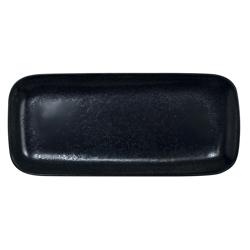
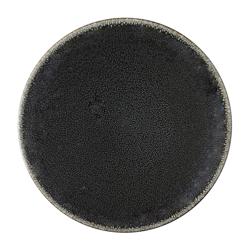
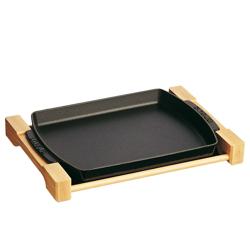
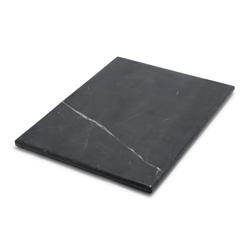
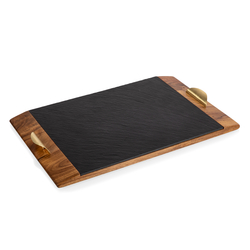
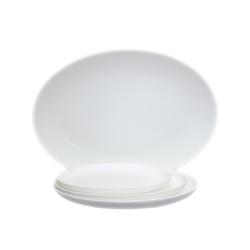
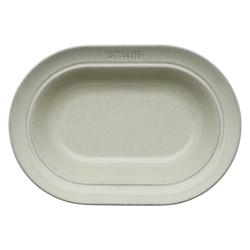
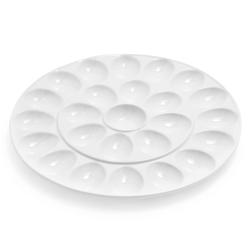
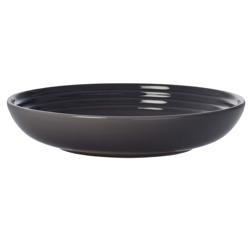
Contemporary black serving platters bring clean lines, a dark neutral palette and a striking backdrop to everyday meals and gatherings. Common materials include stoneware, porcelain, marble, slate and melamine, each with a different feel, weight and approach to care. Matte finishes create a soft, understated surface, while glossy finishes catch the light and give the table a more polished look. Against either finish, food provides the color: roasted carrots with fresh herbs, a sliced pear beside aged cheese or golden pastries dusted with powdered sugar. That contrast is part of what makes black serveware so versatile. It can anchor a table set with white dinnerware, sit comfortably alongside warm wood and linen or add definition to a mix of patterned plates. Contemporary styling does not have to mean sharp corners or a formal setting, either. An oval platter with a gently irregular rim feels relaxed, while a slim rectangle creates an orderly presentation for small bites. Round shapes invite guests to reach from different sides of the table, making them useful for shared appetizers and desserts. The right silhouette depends as much on the meal as the look. A broad surface gives sliced bread or roasted vegetables room to spread out without piling up, and a raised edge helps contain crumbs, dressings and meat juices. Flatter designs work well for dry foods that guests can lift easily with tongs or a serving fork. During the cooler months, a black platter can make a simple spread of baked treats, nuts and seasonal fruit feel thoughtfully arranged without requiring elaborate decoration. Leave a little space between foods so their shapes remain distinct, particularly when serving dark olives, chocolate cookies or other foods that might blend into the surface. A scattering of herbs or a few slices of citrus provides contrast without hiding the platter beneath a garnish. The result can be generous and inviting, whether the occasion is a casual supper or a table full of guests.
Material makes a meaningful difference in how a black serving platter fits into a routine. Stoneware often has a substantial feel that suits family-style meals and relaxed entertaining, though its weight is worth considering when a large platter is loaded with food. Porcelain can offer a smoother, more refined appearance, with strength and weight varying by construction. Both materials may have matte, satin or glossy glazes, so finish alone does not establish how a piece should be used or cleaned. A dark matte glaze may make utensil marks or oily fingerprints more noticeable; gentle cleaning and the manufacturer's recommended care method help preserve the surface. Marble brings natural veining and a reassuring heft to the table, making it appealing for cheese, fruit and pastries. It also needs thoughtful handling: acidic foods can etch the stone, oils may stain it and prolonged soaking can cause problems. Slate offers a layered texture and a low-profile presentation, but its edges deserve care to help prevent chipping. Food-safe black-finished wood introduces a warmer feel and is generally better suited to hand-washing and prompt drying than soaking or dishwasher cleaning. Melamine is a lightweight alternative for casual gatherings and carrying food between the kitchen and an outdoor table, though it is not intended for oven or microwave use. Across materials, black color does not indicate heat resistance, scratch resistance or dishwasher compatibility. Check the individual care instructions before using any platter in a microwave, oven or dishwasher, and avoid sudden temperature changes with ceramic or stone pieces. A serving platter should not double as a roasting pan unless it is specifically designed for that purpose. For everyday durability, consider the rim and finish as well as the material: thin edges need careful handling, and dragging heavy pieces across one another can damage surfaces. Soft separators can help protect stacked platters, while drying each piece thoroughly before storage helps keep the cabinet ready for the next meal.
Size and handling matter just as much as appearance when choosing contemporary black serving platters for a particular home. A long, narrow shape can run down the center of a smaller dining table while leaving room for place settings, water glasses and serving utensils. A wider oval provides more space for a sliced roast or a generous arrangement of vegetables, but it also needs enough room on the table and in the cabinet. Measure the intended storage shelf and consider dishwasher clearance if machine washing is important. Handles or a rim with enough space to grip can make a platter easier to carry, especially when moving from a kitchen counter to a buffet. Keep the weight of the food in mind, too; a substantial stone platter feels very different once it holds a full cheese assortment. For meals with several shared dishes, a few smaller platters allow food to be distributed along the table rather than passed repeatedly from one end to the other. They also make it easier to replenish appetizers in manageable batches. Pairing flat serving surfaces with
Stylish Black Serving Bowls creates a coordinated setting with room for both arranged foods and dishes that need more depth, such as salads, dips and saucy sides. Matching every finish is not necessary; a matte platter beside a glossy bowl can add variety while keeping the palette consistent. Black serveware also makes a thoughtful gift for someone establishing a home, a couple who enjoys hosting or a cook who regularly brings people together over a meal. The most useful choice reflects how the recipient actually serves food, whether that means weekend brunch, small gatherings around a kitchen island or family dinners. Easy-care materials suit frequent use, while natural stone may appeal to someone who enjoys arranging cheese and appetizers and does not mind hand-washing. With a comfortable size, a practical edge and care requirements that fit the household, a black serving platter can become a familiar part of the table rather than something reserved for special occasions.