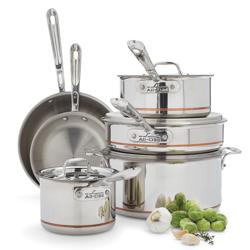
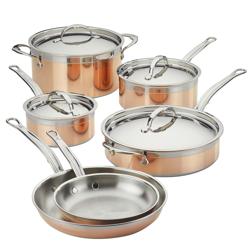
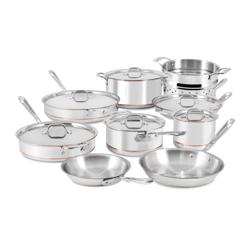
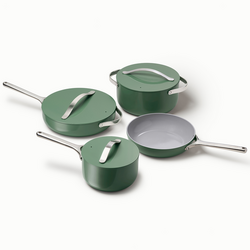
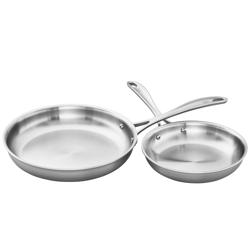
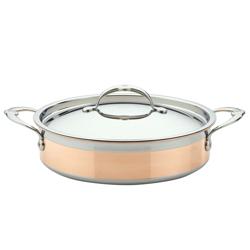
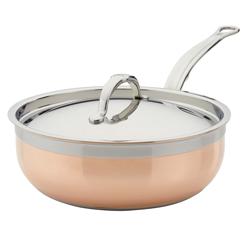
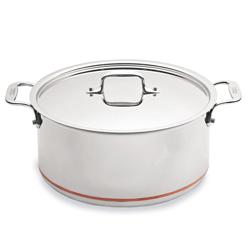
A copper cookware set brings exceptional responsiveness and even heat to everyday cooking, making it a favorite among home cooks who appreciate precise control. Copper warms quickly and transfers heat efficiently across the cooking surface, so a gentle adjustment to the burner can make a noticeable difference when you are melting butter, reducing a pan sauce or simmering custard. That sensitivity is especially useful for foods that can scorch, separate or overcook when temperatures rise too quickly. A well-chosen set may include a saucepan, sauté pan, fry pan, stockpot and other coordinated pieces, giving you a versatile foundation for meals ranging from soft scrambled eggs and caramel to seared fish, tomato-based sauces and long-simmered soups. Copper also has a distinctive appearance, with a warm, reflective finish that can make cookware feel at home on an open shelf or hanging rack as well as on the stovetop. Many sets feature a copper exterior paired with a stainless steel interior, combining the rapid heat response of copper with a durable, nonreactive cooking surface. Others may use a tin lining, which offers a traditional cooking experience but requires more attentive care and may need to be renewed over time. When comparing options, look closely at the construction, the thickness of the copper, the interior material and the shape of the handles. Thicker copper generally provides more substantial heat control, while bonded or clad construction can add durability and broaden cooktop compatibility. A set is a practical choice for someone building a kitchen from the ground up, upgrading from mismatched pans or developing a deeper interest in classic culinary technique. It can also be a memorable gift for a wedding, housewarming or milestone celebration, particularly for a cook who enjoys hosting and values tools that are both useful and beautiful. For a similar warm metallic look with different construction and care requirements, explore
Copper Colored Cookware.
Before choosing a copper cookware set, consider the cooktop and oven habits of the person who will use it. Traditional copper cookware works well on gas and electric stovetops, but it is not automatically compatible with induction. Induction cooking requires a magnetic layer or a specially designed base, so check the manufacturer’s specifications rather than assuming that a copper exterior will work. Oven-safe temperatures can also vary according to the lining, bonded layers, lid materials and handle construction. Stainless steel-lined pieces are often valued for their durability and resistance to interaction with acidic ingredients such as tomatoes, wine, citrus and vinegar. Tin-lined cookware is also nonreactive but is softer and should be used with care; high heat and metal utensils can damage the lining. Copper itself can react with acidic foods, which is why a properly maintained interior lining matters. The right assortment depends on how meals are prepared. A small saucepan is handy for warming milk, making a glossy pan gravy or whisking a delicate lemon curd. A sauté pan offers room for vegetables, chicken thighs or a batch of risotto, while a fry pan suits omelets, fish and crisp-edged potatoes. A larger pot helps with pasta, stock and cool-weather stews. If the set includes lids, confirm that they fit securely and that the collection provides enough size variety for both small portions and shared meals. Handles should feel balanced in the hand and remain comfortable as you move a full pan from the stovetop to the oven. Riveted handles can provide a sturdy connection, while helper handles are useful on larger pieces. Matching pieces create a polished look, but performance and practicality should lead the decision. A smaller, thoughtfully selected set may be more useful than a large assortment that leaves key sizes unused in the cabinet.
Copper cookware rewards a little extra attention. Unless the care instructions specifically say otherwise, hand-wash each piece with warm water, mild dish soap and a soft sponge after it has cooled. Avoid placing hot cookware under cold water, since a sudden temperature change can stress the materials or cause warping. Abrasive powders, steel wool and harsh scouring pads may scratch the interior or dull the exterior. Stainless steel interiors are generally straightforward to maintain, while tin linings should be protected from high heat and sharp-edged utensils. Wooden, silicone or other nonabrasive tools are a sensible choice for preserving a delicate lining. Over time, untreated copper naturally develops a deeper patina. Some cooks enjoy that evolving finish because it reflects years of meals, while others prefer a brighter appearance and use a copper polish according to the cookware’s care instructions. Polish should be kept away from cooking surfaces and rinsed thoroughly when appropriate. Drying the pieces promptly helps prevent water spots and keeps the finish looking cared for. Copper handles and lids may become hot during cooking, so use a dry mitt or pot holder and keep handles turned safely away from the edge of the cooktop. With regular care, a quality copper cookware set can become part of the rhythm of a kitchen: a saucepan lifted for morning oatmeal, a wide pan used for a family dinner and a stockpot brought out when cooler weather calls for something slow and comforting. Its value is not limited to appearance. The responsive heating, balanced construction and range of coordinated pieces can make familiar recipes feel more controlled and more enjoyable, whether the cook is learning to manage a delicate sauce or confidently preparing several dishes for guests.