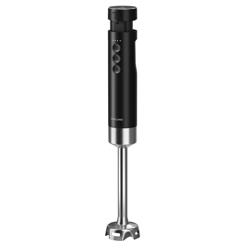
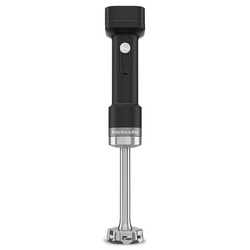
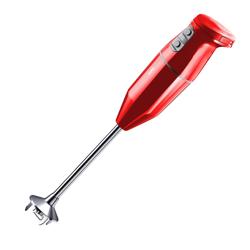
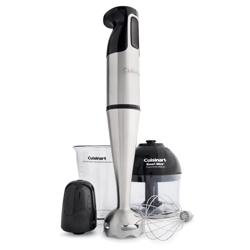
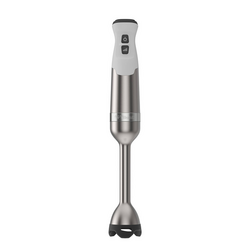
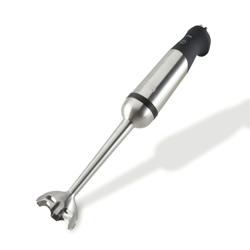
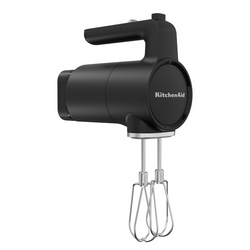
Cordless immersion blenders bring blending directly to the food, whether that means smoothing a pot of tomato soup or turning roasted red peppers into a sauce for pasta. With no power cord to route around a cutting board or stretch across the counter, the rechargeable format gives you more freedom to work where ingredients are already gathered. That flexibility is especially useful in kitchens with limited outlets, on an island used for food prep or beside a deep pot that would be awkward to empty into a countertop blender. A handheld design also makes smaller jobs feel manageable: a creamy white bean dip for lunch, a quick herb dressing or a little fruit purée to spoon over yogurt. The blending shaft reaches into a suitable vessel, helping reduce transfers between containers and leaving fewer pieces to clean. Cordless convenience still comes with practical considerations, including battery charge, the amount of food being blended and the resistance of the mixture. A loose vegetable soup places different demands on the motor than a thick chickpea spread, and usable blending time varies by model and task. For everyday cooking, the right fit is less about tackling every possible recipe and more about handling the preparations you make often. Someone who regularly blends soups may value comfortable control over a longer session, while a cook making dressings in small batches may care more about maneuverability and easy storage. These tools can complement a countertop blender rather than replace it, particularly when larger batches or demanding ingredients are part of the routine. The broader selection of
Electric Hand Blenders offers another way to explore handheld blending formats and find a match for your kitchen habits. For cordless designs, having a convenient place to recharge can be just as important as having a clear spot to blend. A charging setup that fits naturally into the kitchen makes it easier to keep the tool ready for everyday use.
Materials, proportions and controls shape how a cordless hand blender feels in use. Stainless steel blending shafts are common for their durability and suitability for many food preparation tasks, although permitted food temperatures and care requirements depend on the individual design. Plastic components can help keep a handle lighter, while the overall balance determines how comfortably the appliance sits in your hand. Battery placement matters here, too: a compact-looking handle may feel different once lifted over a bowl. A secure grip and controls within easy reach are useful when one hand is holding the blender and the other is steadying the container. Some designs require a safety release or more than one control to start, so the button layout deserves attention alongside the shape of the handle. Shaft length affects which vessels are practical, but a longer shaft is not automatically better for every task. A deep stockpot calls for enough reach to work within the stated immersion limits, while a small measuring jug benefits from a blending head that fits comfortably inside. The diameter and shape of the blade guard also influence access around the bottom and sides of a container. A tall, narrow vessel can help keep a small quantity gathered around the blade, making it useful for dressings and other modest batches. For coated cookware, check compatibility rather than assuming every metal blending head is suitable; a separate blending container may be the better choice. Speed settings can offer useful control as a mixture changes texture, especially when a soup needs to stay slightly rustic rather than become completely smooth. Results also depend on the ingredients, their preparation and the amount being processed. Cooked vegetables and adequately moistened mixtures are different from hard, dry ingredients, and ice or frozen foods should only be processed when the manufacturer specifically permits them. Where interchangeable attachments are part of a design, they can extend its usefulness, but the everyday blending experience should remain the starting point. Storage space for those extra components matters as much as their potential uses.
Easy care helps make a cordless immersion blender a tool that earns its place in the kitchen rather than one reserved for occasional projects. A removable shaft can simplify cleanup, particularly after blending a sauce that clings around the blade guard. Dishwasher-safe claims should be checked component by component, since a washable attachment does not mean the motor handle or charging equipment can go into water. Prompt cleaning helps keep puréed vegetables, dairy and other ingredients from drying into difficult corners, while careful drying supports tidy storage. Sharp blades require attention even when the appliance is not running, and cleaning or changing attachments should always follow the manufacturer’s directions for preventing accidental activation. For hot preparations, the appliance’s temperature limits and handling instructions are essential. Keeping the blade guard submerged during blending and stopping the motor before lifting it out helps limit splashes; a stable pot or container with enough room above the food gives you more control. Durability also depends on using the tool within its intended workload. Very thick mixtures, extended operation and ingredients outside its capabilities can strain the motor, so stated run times and rest periods are worth considering before choosing a model. Battery care belongs in the same everyday routine, with the specified charging equipment and storage conditions helping support reliable use. Beyond practical details, cordless immersion blenders can make thoughtful gifts for people who enjoy cooking from scratch, prepare smaller portions or appreciate tools that reduce the need to move heavy containers of food. They can suit a first apartment, a housewarming or an established kitchen where counter space is carefully guarded. The strongest match reflects the recipient’s habits: frequent soup making, a fondness for homemade sauces or a preference for compact equipment that handles daily prep. Comfortable handling, straightforward cleaning and a sensible place to charge often matter more over time than a long list of functions. Together, those details help turn cordless flexibility into something genuinely useful at the counter.