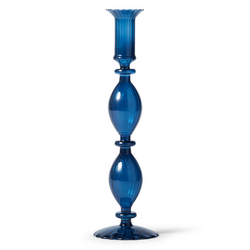
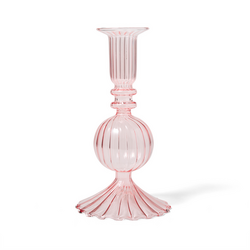
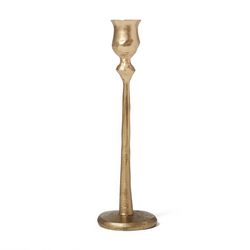
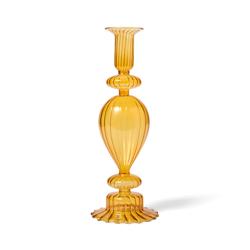
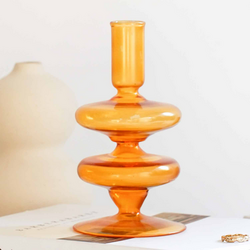
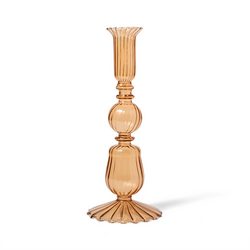
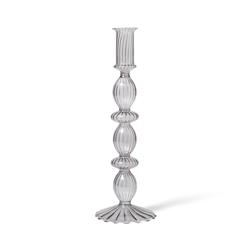
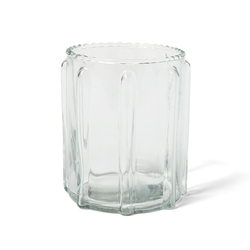
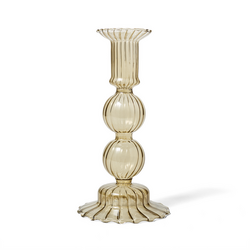
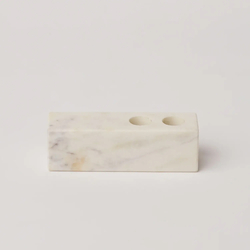
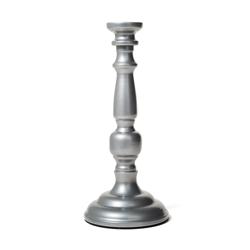
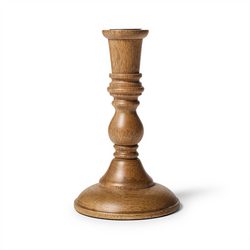
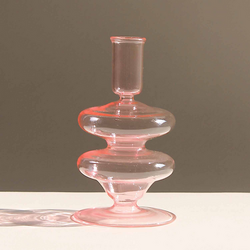
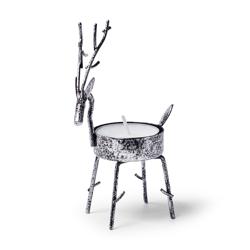
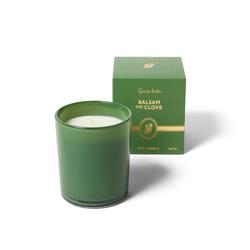
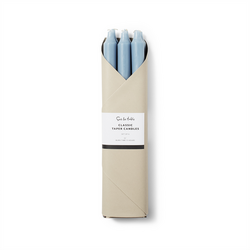
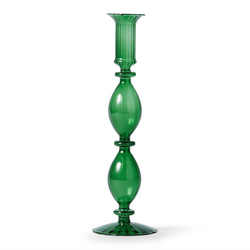
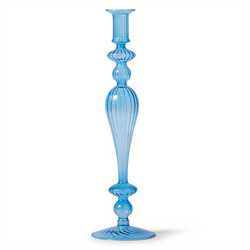
Countertop candle holders support candles on kitchen islands, bathroom vanities and other flat surfaces, adding a decorative accent and warm ambient light. Common materials include glass, ceramic and metal, with shapes designed for taper candles, pillars, votives or tea lights. The best fit for your space depends on the candle’s size, the holder’s footprint and how you use the surrounding counter. On a kitchen island, a low holder can bring a soft glow to an evening meal without interrupting conversation across the seating area. A slender taper holder lends height to a quiet corner, while a glass hurricane adds a more substantial silhouette that feels at home on a generous countertop. These pieces work especially well where a kitchen transitions into a dining or living space, helping a practical surface feel welcoming once the chopping boards and mixing bowls are put away. Clear glass keeps the effect light and lets the candle become the focus. Opaque ceramic adds color and texture, and metal can echo the finish of nearby cabinet hardware or serving pieces without matching them exactly. Against pale stone, a dark finish creates definition; against richly patterned counters, a simple shape gives the eye somewhere to rest. During the cooler months, candlelight adds warmth to an early supper or an unhurried evening at home, but the holder itself can remain part of the room throughout the year. There is no need to build a full centerpiece around it. A single thoughtfully proportioned piece often suits a busy household better than a large arrangement that needs moving before every meal. For a more layered look, countertop styles can sit comfortably alongside
decorative candle holders elsewhere in the room, connected by a shared material, finish or shape rather than an identical design.
Materials make a difference in both appearance and everyday upkeep. Glass reflects the flame and works well in spaces where you want an airy look, though fingerprints, soot and wax residue can show readily on clear surfaces. Ceramic offers anything from a smooth glazed finish to a textured exterior, making it a natural companion to dinnerware and countertop crocks. Glass and ceramic can chip if knocked against a sink or hard counter edge, so their placement matters as much as their appearance. Metal holders can be a practical choice for frequently used spaces, although weight, construction and finish vary considerably. A polished surface may show fingerprints, while a painted or plated finish may need gentle cleaning to avoid scratches. Wood accents bring warmth, but any design incorporating wood should be made specifically for candle use and used only as directed, with the intended candle cup or insert in place. Whatever the material, a broad, stable base helps reduce wobbling, and the underside deserves a look before it meets a polished countertop. A rough base can mark a surface even when the holder feels substantial. Follow the manufacturer’s instructions for any protective layer beneath it; decorative felt or other added materials are not a substitute for appropriate heat protection. Candle compatibility is equally important. A taper should sit upright and snugly in its socket rather than lean or require an improvised wedge. A pillar needs a level platform sized to support its full base, with room to catch drips where the design allows. Votive and tea light holders should be used with the candle format specified for them, since some candles melt into a pool and need a suitable containing vessel. For enclosed designs, follow the stated candle dimensions and clearance requirements. A candle that fits through the opening is not necessarily the correct size for safe use. Checking these details helps the holder perform as intended, whether it is used occasionally for company or regularly at the end of the day.
The right countertop candle holder also respects the way your household moves through a room. A kitchen counter may serve as a breakfast spot, homework station and serving area within a few hours, so a compact piece that is easy to relocate can be more useful than a sprawling display. Check both height and width against the usable space, leaving comfortable room for plates, glasses and passing dishes. In a bathroom, a small holder may suit a roomy vanity, but it belongs away from towels, tissues, toiletries and any place where a reaching hand could knock it over. In the kitchen, keep lit candles away from paper towels, curtains, shelves and overhead cabinets, as well as food preparation areas and splashing water. A glass hurricane does not remove the need for clearance or supervision. Always use candles on a stable, heat-resistant surface, follow the candle and holder manufacturers’ directions and extinguish flames before leaving the room. Keep them out of reach of children and pets. Where an open flame does not suit the setting, a compatible flameless candle can provide a similar visual effect, provided its dimensions work with the holder. After use, let every part cool completely before moving or cleaning it. Remove wax according to the care instructions rather than scraping with a sharp tool, and avoid sudden temperature changes that can damage glass or ceramic. A soft cloth is often useful for routine dusting, but washing, soaking and cleaning products should depend on the material and finish. These practical details also make candle holders thoughtful housewarming, wedding or host gifts. A neutral finish and manageable footprint are easy to picture in many homes, while a distinctive glaze or sculptural shape can suit someone whose taste you know well. Including candles of the correct size makes the gift more useful from the start. Whether chosen for a first apartment, a well-used family kitchen or a friend who enjoys setting a welcoming table, a countertop candle holder brings a small, considered detail to familiar daily spaces.