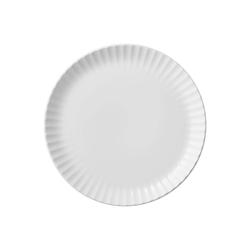
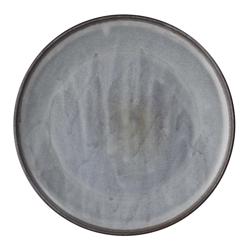
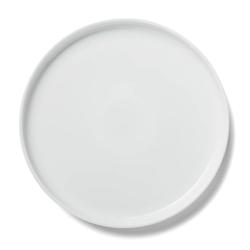
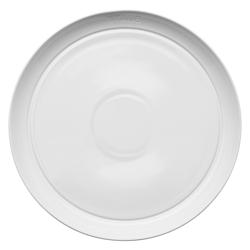
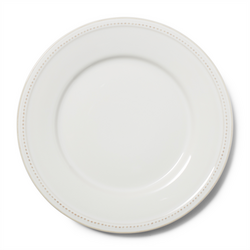
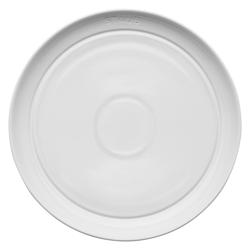
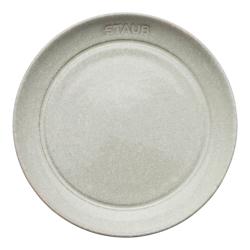
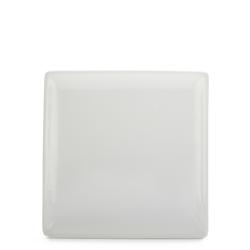
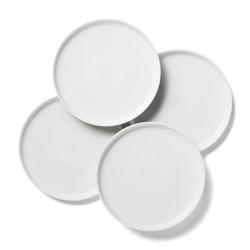
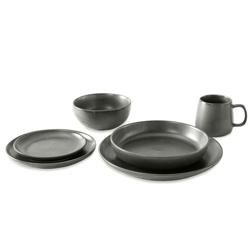
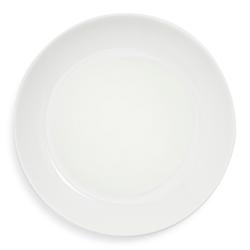
Coupe dinner plates bring a simple, continuous shape to the table, with an eating surface that curves gently upward at the edge rather than ending in a wide, flat rim. That rounded profile gives food room to stand out without surrounding it with elaborate decoration. A piece of roasted salmon, a spoonful of lentils and a few asparagus spears can look inviting against an uncluttered background, while a generous serving of pasta feels just as at home. For a minimalist table, the appeal is practical as much as visual: fewer competing details make it easier to combine dinnerware with the flatware, glasses and linens already in the cupboard. White and ivory keep the setting light and let the colors of a meal take the lead. Soft gray, charcoal and muted earth tones offer a different kind of simplicity, adding depth without relying on a pattern. Color is only part of the effect, though. A glossy glaze reflects light and gives the surface a crisp appearance, while a matte finish creates a softer look. Subtle variations in glaze can add character to an otherwise uniform setting, especially alongside a plain linen napkin or a wooden table. Minimalism does not require everything to match perfectly; a consistent shape or a small group of related colors can be enough to make the table feel settled. Coupe dinner plates also suit different ways of serving. Individually plated meals benefit from the uninterrupted surface, and family-style dinners leave room for everyone to build a plate comfortably. The gently raised edge can help contain a modest amount of sauce, although the depth varies by design. For a meal with plenty of broth or a particularly loose sauce, a bowl may still be the more comfortable choice. The goal is dinnerware that looks simple and works naturally with the food being served.
Material, proportions and finish determine how coupe dinner plates feel in daily use. Porcelain often offers a smooth surface and a relatively refined profile, making it a good fit for tables that lean toward clean lines. Stoneware can have a more substantial feel, with glazes that range from even and polished to softly varied. Neither material guarantees a particular weight or level of durability, so the construction and care instructions matter more than the name alone. A sturdy-looking plate can still chip if its edge knocks against a faucet, and a thin-looking plate may be designed for regular everyday use. The most useful choice is one that suits the household’s habits. For frequent meals and dishwasher cleanup, dishwasher-safe dinnerware can make the routine easier, while microwave-safe plates are helpful when portions need reheating. Those capabilities should always be confirmed in the care information rather than assumed from the material or appearance. Diameter deserves equal attention. A larger plate may give a composed meal more breathing room, but it also needs to fit inside the cabinet, sit securely in the dishwasher rack and leave enough space around neighboring place settings. The usable eating area depends on the curve of the sides as well as the overall measurement. A shallow slope and a more pronounced curve can feel quite different, even when two plates have the same diameter. Weight matters when carrying several plates to the table or lifting a stack onto a shelf. Stack height is worth checking, too, especially in a compact kitchen where dinnerware shares space with bowls and serving pieces. For care, gentle handling goes a long way: avoid dragging plates across one another, follow the recommended cleaning method and use only approved cleaners for utensil marks. Sudden changes between hot and cold can stress ceramic dinnerware, so follow the manufacturer’s guidance on temperature changes and oven use. These practical details help preserve the clean surfaces and smooth edges that make a minimalist setting appealing.
The best coupe dinner plates for a minimalist table are easy to live with beyond a carefully arranged dinner. They should feel right beneath a sandwich at lunch, leave comfortable space for a knife and fork at supper and work alongside a serving bowl passed around the table. A cohesive group of plates can simplify setting out dinner, especially when the same dinnerware moves between everyday meals and occasions with guests. Repeating one shape creates continuity, while a small change in napkin color or glassware can give the setting a different mood without replacing its foundation. For a compact dining area, a restrained palette can also keep a fully set table from looking crowded. Leave enough room for water glasses, serving utensils and the dishes that need to land within reach; a plate that fills nearly the entire place setting may look generous but prove awkward once dinner begins. Texture offers another way to add interest without adding much visual detail. A woven placemat, brushed flatware or a folded cotton napkin can complement the plate’s smooth curve without obscuring it. For a broader look at similarly streamlined shapes,
Modern Minimalist Dining Plates offers another starting point for a cohesive table. Coupe dinner plates can also make a useful gift for a wedding, a housewarming or someone establishing a kitchen, particularly when their preferred colors and care habits are known. Matching the recipient’s everyday routine matters more than choosing a dramatic finish: manageable weight, straightforward cleaning and a size that fits their storage all contribute to lasting usefulness. Whether the table is set for one person or a gathering of friends, the appeal remains the same. A comfortable shape and an uncomplicated surface give the meal its place without asking the rest of the room to change.