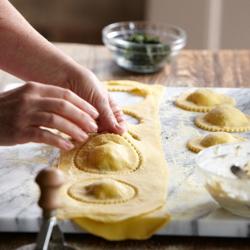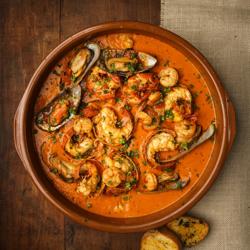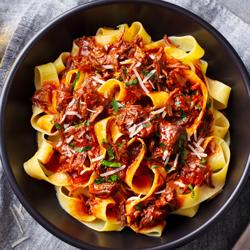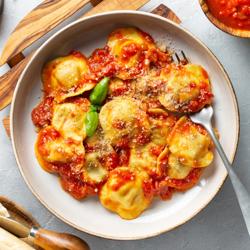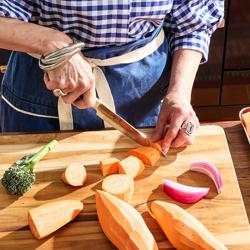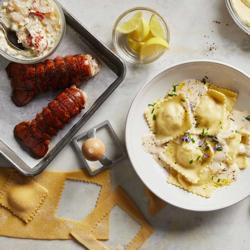
Cozy Italian cooking classes bring the warmth of an Italian kitchen to the experience of learning, cooking, and sharing a meal together. These hands-on sessions are designed around simple techniques, generous flavors, and the pleasure of making food by hand, whether that means mixing flour and eggs for fresh pasta, shaping ravioli, folding gnocchi, or stirring a sauce until it becomes smooth and fragrant. Many classes are beginner-friendly, with an instructor guiding each step and offering practical tips that are easy to carry into your own kitchen. Depending on the menu and setting, a class may last two to three hours and finish with everyone sitting down to enjoy what they prepared, often alongside a thoughtfully chosen wine or another Italian-inspired pairing. The most inviting classes tend to feel less like a formal demonstration and more like being welcomed into a friend’s kitchen: there is time to ask questions, compare techniques, taste as you go, and appreciate the small details that make home cooking memorable. During the warmer parts of the year, lighter preparations such as herb-filled pasta, fresh vegetables, and bright tomato sauces make an appealing introduction to Italian cooking. As the weather cools, hearty baked dishes, slow-simmered sauces, rustic breads, and comforting desserts naturally take center stage. A cozy Italian cooking class can be a lovely way to spend an afternoon or evening with a partner, close friends, family members, or a small group celebrating a special occasion. It also makes a thoughtful gift for a new cook, a seasoned home chef who enjoys learning regional traditions, or anyone who would rather collect shared memories than another item for the home.
When choosing an Italian cooking class or related kitchen essential, consider the kind of experience the recipient will enjoy most. A first-time cook may appreciate a welcoming class that covers foundational skills, explains unfamiliar ingredients, and allows plenty of time for practice. Someone who already makes pasta at home may prefer a more focused session centered on filled pasta, regional sauces, bread baking, or Italian sweets. Small-group classes often create a more personal atmosphere, while private or virtual options can work well for families and friends who live in different places. It is also worth checking what is included before booking: many in-person classes provide the ingredients, equipment, and aprons needed during the session, while some experiences may ask participants to bring a few basic supplies. If you are selecting a gift, look for flexible scheduling and a format that suits the recipient’s comfort level. A class paired with useful kitchen tools can encourage someone to continue practicing at home, but the best choices are practical rather than overly specialized. For fresh pasta, look for durable equipment that feels comfortable in the hand and is easy to clean. For sauces and slow cooking, dependable cookware with even heat distribution helps protect delicate ingredients while building deep flavor. For baking, sturdy mixing and measuring tools can make precise work feel less intimidating. Italian cooking rewards attention to texture, temperature, and timing, so well-made basics often become more useful than an impressive gadget with only one purpose. These considerations make a class or cooking gift feel personal, approachable, and genuinely useful long after the shared meal is over. For cooks who enjoy a little more freedom to experiment,
Creative Italian Cooking Classes can offer inspiration beyond traditional recipes while keeping the focus on technique, flavor, and the joy of cooking together.
The lasting appeal of cozy Italian cooking comes from its balance of simplicity and care. A handful of well-chosen ingredients can become a meal with remarkable depth when they are treated thoughtfully: flour is kneaded until supple, tomatoes are given time to soften, herbs are added at the right moment, and a finished dish is served while it is still warm. The tools used in class should support that process without getting in the way. Look for comfortable handles, stable construction, easy-to-maintain surfaces, and sizes that suit the cook’s space and habits. If the class is intended as a gift, consider whether the recipient enjoys cooking alone or gathering people around the table; some will value compact essentials for everyday meals, while others will welcome pieces that make entertaining easier. Italian cooking also offers plenty of opportunities to build confidence gradually. A student might begin by learning how to form a simple dough, then use that understanding to make different shapes, fillings, or sauces at home. Another may discover that a relaxed dessert class is the perfect entry point, especially when the menu includes creamy, coffee-scented sweets or fruit-forward baking. The most successful experiences leave room for imperfect shapes, flour on the counter, and a few laughs along the way. They remind us that cooking is not only about producing a beautiful plate but also about slowing down, paying attention, and making space for conversation. Whether enjoyed as a personal treat, a date-night activity, a family outing, or a gift for someone who loves Italian food, these classes and kitchen essentials help turn everyday cooking into something warm, generous, and worth sharing.